


issue 219
July 2025
Ray Klerck unpacks a revealing new study to show how Africa’s migrant fighters are navigating poverty, broken contracts, and media myths just to stay in the cage.
The fight before the fight is more than just an editorial metaphor. For many of Africa’s migrant fighters clawing their way into MMA’s spotlight, this is a real-life battle royale. So, while some fighters bleed during training, others bleed trying to get a visa, sign a contract that doesn’t vanish overnight, or eat between fights without a side hustle. As African MMA surges toward the spotlight, especially with PFL Africa 2 circling August 9, a new study in the International Review for the Sociology of Sport has dropped the gloves on what it really takes for migrant fighters to survive the African grind. It’s not just about who has the natural talent, but it often comes down to who can outlast a system built on loopholes, broken promises, and bare bones deals that disappear when the lights go off. Read on for the version of MMA you won’t see in any of the promo trailers.
ILLUSION OF OPPORTUNITY
South Africa often sells the dream, but for migrant fighters, the price can be steep. With Extreme Fighting Championship hosting regular events and PFL Africa gaining momentum, backed by Francis Ngannou’s star power and promises of structure, the continent’s fight scene is levelling up. That’s why fighters from Cameroon, Nigeria, and the Congo make the move south. But the spotlight has its shadows. The study found these migrant fighters often live in precarious housing arrangements, float between multiple gym affiliations, and operate in a system with no formal contracts or guaranteed income. On top of this, the best gyms are in the bigger cities like Cape Town and Johannesburg, but they risk facing xenophobic attacks. One such fighter interviewed was called Mpakasa, who did everything he could to follow his dream.
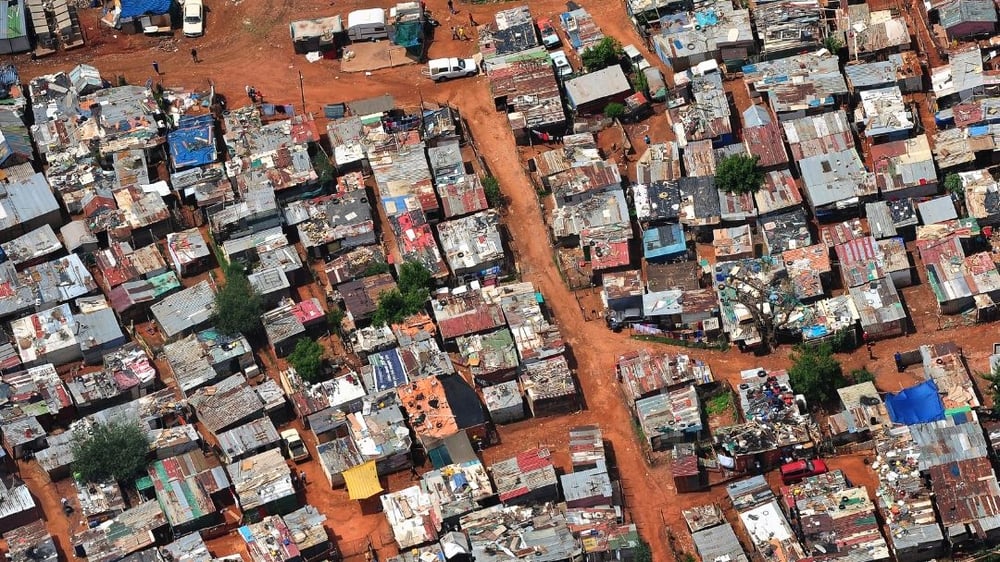
“Life was hard, you work all night, and you’re supposed to train in the morning,” said Mpakasa. “I used to do this from 8 pm to 4 am, and you leave at 7 am, it wasn’t easy, you’re not considered, you have no support, you have no sponsors, you have nothing, you only have yourself. I suffered in South Africa, I suffered, I slept in a garage, the place where you put the cars. But it was cheaper than the others. I spent 3 years in a garage, 3 years. No windows, no doors.”
Sometimes the hardest fight is surviving poverty. 
NO CONTRACT, NO PROBLEM
Forget weigh-ins and medicals. For many migrant fighters, sometimes the real admin starts with trying to prove that a fight ever existed. The research outlined how there were often no standardised contracts or formal bout agreements. Most opportunities to fight were verbal, fluid, and subject to disappearing. One week, you’re preparing for a bout. The next, the promoter ghosted you, and your opponent is gone. The study documents how these fighters operate in a space where fights are organised through informal channels and social media, and where even paydays can evaporate. This system breeds a quiet desperation that fighters must manage alongside weight cuts and cardio sessions. And in a sport where getting seen matters as much as getting signed, these fighters are constantly performing, both in the cage and online, just to stay relevant enough for the next handshake deal. Those who are lucky enough to have a contract sign it for 2-3 years or five bouts, with payment being 6000 South African Rand (US$327) per fight. They aren’t allowed to compete elsewhere and come with no health coverage.
“You fight like two, three times a year at most, and that’s once every four months,” explained Hector, a contracted fighter in 2023. “But, all this time, you are training, you are doing this and that, and everything you do requires money. You must pay coaches here. You must pay for transport, for food, for everything. All these expenses, and the amount you get from the fight is not enough to cover this.”
THE HARD-WORK-WILL-PAY LIE
Themba Gorimbo’s story gets rolled out like a fairytale. A young Zimbabwean upstart crosses borders illegally, digs for diamonds, and turns trauma fight fuel. Sure, it’s inspirational. But it’s also part of a pattern. The study unpacks how Africa’s MMA scene leans into these gritty backstories to sell the dream. Past suffering is paraded out like it’s a rite of passage. In promo clips, fighters become avatars of a myth that suffering equals success. When you add Francis Ngannou’s voice to the mix, it gets even more inflated. He stands as Africa’s biggest export with the Cinderella arc from Cameroon’s sand mines to UFC gold and millions of dollars. With this narrative, the message feels almost bulletproof: hardship is the price of greatness. But that’s the hook. The study argues this glamorises suffering, using adversity as a recruitment tool while ignoring how little structural support actually exists. In other words, the fight before the fight becomes a feature, not a bug.
“As they say, there are no roses without thorns,” says Mpakasa. “I made my career without a sponsor. You have to be determined, rely on no one. I want to tell our young brothers to count on themselves, to count on working hard, to work hard, to have a clear goal. To work hard and have an objective, not to be discouraged. Not to rely on sponsors, to be determined, motivated by hard work. Hard work will pay off later, sooner or later.
It’s easy to see that this might be meritocracy dressed up in pain, and it's doing some heavy lifting for the system.
THE HUSTLE NEVER ENDS
What the study ultimately reveals is that even inside a lopsided system, power isn’t a one-way chokehold. While the promoters often hold the cards that set the terms, frame the narrative, and benefit from heap labour, it’s the fighters who are slowly flipping the deck. As they gain notoriety, their ability to shape their own stories grows. That garage Mpakasa slept in becomes part of a self-made myth. That side hustle becomes proof of grit. Over time, they aren’t just participants, they’re co-authors, leveraging hardship into charisma, building capital from pain. Promotions like PFL Africa are promising a better way, and if those promises stick, fighters might finally get more than a handshake and a highlight reel. It’s not equality. It’s not fair. But it’s movement. And for a new generation of African fighters staring down broken systems with nothing but gloves and grit, that might just be the opening round they need.