
issue 220
August 2025
Ray Klerck digs into the fresh science that shows the modern era of MMA is refining emotional control into a competitive edge.
Press conferences used to be wild. A sparring match for smack talk, where anything could happen. Jones pushing Cormier. Water bottles were flying when McGregor met Diaz. The pre-fight game used to be the trailer before the main event, but today the anger has been replaced by a sometimes-eerie chill. Sure, Khamzat Chiamaev gave us an "Allah Akbar" at his pre-title press conference, but that was pretty tame by comparison. There was scarcely a creased suit when Topuria met Holloway because modern MMA has shed the mythos of the angry fighter and looks more like a chessboard. A July 2025 study in PLOS One has unveiled how this emotional composure has been built because fighters are realizing that keeping their cool may be the most dangerous weapon of all. A new era of the cold assassin is being ushered in, and while it may not be as exciting as pre-fight staunching, it’s been crafted to throw an opponent off their game by embracing what many consider to be the true roots of the sport. And it comes in the form of calm.
MASTERING THE MIND
Nature’s apex predators don’t beat their chests. They creep silently. Close the distance and strike before their prey knows they're there. To understand this hunter mindset, the PLOS One team tracked 30 elite fighters across training camps and competition, mapping how they experienced and managed their anger in real time. The goal was to find out what made these athletes tick, and it turns out that they weren’t bottling up volcanic rage so it could be released beneath the Octagon's bright lights. Instead, their anger was filtered, refined, and uncorked only when deemed useful. Those fighters who were the best at emotional regulation were calmer outside of competition and sharper when competing. They were able to land more strategic offense and didn’t engage in reckless exchanges. Their emotions were treated more like a strategic weight cut than handing over the wheel to unfiltered adrenaline. This mastery isn’t being soft. It’s proving lethal.

WHY ANGER IS A BAD CORNERMAN
The PLOS One findings land like a left hook to one of MMA’s oldest myths of the hyper-aggressive champion. Fighters who let their anger corner their emotions and drive their punches didn’t just fight messier, they gassed out faster and lost sight of the game plan. The old-school idea of a fighter getting bitch slapped across the face before a bout might have worked to rev them up in the early days, but now it’s an engraved invitation to eat a counter punch. Throw your minds back to bouts like Cody Garbrandt against T.J. Dillashaw, where rage turned into overcommitment that ended up looking messy. The study showed that fighters who scored highest in emotional regulation also logged fewer of these reckless exchanges and more tactical shot selection when the pressure was on. Those who keep their heads have the calm to make micro-adjustments that pay off. In many ways, that’s why Ilia Topuria can stand in the pocket without blinking. It’s why Georges St-Pierre used to dismantle people without breaking a sweat. And it’s why the Diaz brothers could look like they were ready to burn the arena down during fight week, but once the bell rang, their chaos was surprisingly calculated in a way where they almost seemed to fake anger but fight calmly.
HOW TO BUILD THAT CONTROL
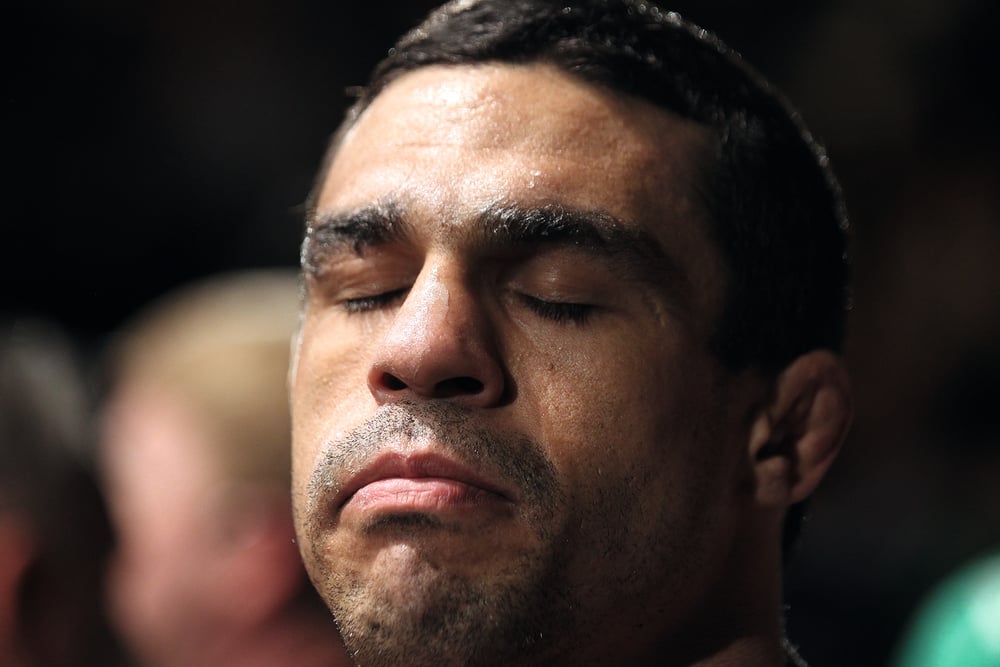
Calm isn’t necessarily something you’re born with. It’s a mental skill that anyone can train. According to the research, fighters actively rehearsed emotional control just as deliberately as their striking drills. The fighters were tracked across their camps, measuring how they responded to frustration spikes, trash talk, and even deliberate training annoyances, like bad ref calls or sparring partners who actively push their buttons. You could imagine it like a political debate or court case where the tough questions were asked beforehand so that the correct answers were given when it mattered. Those fighters who were the best at moderating their emotions were able to recognize the anger surge early, reframed it, and funneled that energy into intelligent decision-making instead of haymakers. Although this process did take time, it eventually rewired their fight responses to the point where aggression only served to sharpen their focus. It’s the reason you see seasoned veterans like Max Holloway smile after eating a clean shot. Max isn’t pretending that it didn’t land. He’s reminding himself that he’s still in control of the exchange and has the tools to recover and find victory.
CONTROL IS A CONDITIONING DRILL
While controlled anger is new to MMA, it’s something born out of exercise. This new research aligns with other studies that have found regular exercise is associated with lower anger levels and improved rage control compared to non-exercisers. It shows regular and structured training conditions your body to burn off stress and sharpen decision-making under pressure. Exercise turns off the fight-or-flight reflex that wants to run the show. It teaches your nervous system to stay cool when most people would be setting off fire alarms. In a way, it’s why some of the most dangerous fighters are the ones who are the best conditioned and look the least bothered, because on the inside they’ve filed their chaos into neat little fight-winning folders. The same mechanism shows up almost everywhere, including a Tel Aviv University study on kids doing a 24-week sports program. Those who jumped into regular, structured competition saw their aggression plummet as their self-control improved. This effect wasn’t because they were told to calm down, but because training burned off the negative emotions before they had the chance to boil over.
PUTTING CALM INTO PRACTICE
Controlling your anger is always going to be easier said than done. However, it’s not something that should be done as an afterthought. The research suggests building anger drills into your sparing. This might involve your coach or sparring partner thinking of the worst thing they can possibly say to you. Down right off-limits burns about your family, you as a person, and possibly your religion. The trash talk needs to be real and filled with pace changes so you can practice your responses without deviating from your game plans. During sparring breaks, try to rehearse getting control of your breathing and focusing on calming your body down, so you can scan for openings to exploit. You can even ask your coach to hit you with a randomized cheap shot that might put you off your game so that you can get used to it. Swimmer Michael Phelps used to visualize what he’d do if his goggles filled up with water during a gold medal race. This was so that when the worst-case scenario did roll around, he could still walk away with the win. It’s something that did happen to him in the 200-meter butterfly final at the 2008 Olympics, where he was effectively swimming blind. His response? A new world record and a welcome addition to his 28 other Olympic medals. He trained for the adversity, doing that drill in the pool beforehand. For some athletes, it could have created excuses and anger, but for Phelps, it was something he'd train to overcome. This ties into the notion of high-intensity intervals, where you get absolutely puffed out and almost act on autopilot. It will force your brain to make wise tactical decisions when your body just wants to brawl. Over time, these actions will enable your nervous system to thrive in the chaos, serving as a cue for precision rather than panic. It’s a habit that separates those who fade from those who get messy when things go tits up.
KILLER CALM
The myth of the angry fighter isn’t new. It’s just never been true. Long before the UFC and Vegas lights, the deadliest martial artists understood that poise was the ultimate weapon. It’s well known that Japanese samurai trained for decades to master zanshin, which is a state of relaxed alertness where the mind stays clear, even when death is inches away. The first masters of kung fu, karate, and judo have never encouraged their students to embrace their rage. That’s a false notion given to us by Hollywood to turn the plot forward. The foundations of all combat sports are laid on control, because a furious mind is an easy one to outthink. This new, somewhat confirmational data on MMA simply proves what the oldest fighters on earth already knew. Rage makes you sloppy. Calm makes you lethal. Today’s cold-assassin era has come full circle and is just a modern expression of that same warrior logic. Every step to the cage, every feint, every counter lands harder when it’s guided by focus instead of fury. In a sport built on violence, the most dangerous thing you can be is unshakably stoic in your mind before you throw the first punch.
...