

issue 220
August 2025
Ray Klerck dives into the latest research to expose everything fighters get wrong about recovery and the new science that actually fixes it.
Recovery is the awkward walk back after bowling – nobody talks about it, but everyone has to do it. Standing tall in this self-conscious space are odd practices like cold plunges. As both a manhood-shrinking and manhood-revealing practice, they were MMA mainstays, especially when guys like Chandler and McGregor took ice bath challenges. Then comes the real research. A paper in PLOS One found ice baths did nothing. Subzero results. This was preceded by other damning findings suggesting that ice baths can even lower muscle growth. Yet some fighters may still cling to rituals like these as if they’re holy water. Fortunately, recovery is a moving target, and while ice baths do have their place, the new tools coming through the ranks are far more innovative, stranger, and backed by plenty of real science. These are the ones that you should put on your radar to put yourself in a position to get back out there.

KEEP OFF THE PLASTIC
Sometimes recovery is less about doing and more about avoiding. Your biggest enemy? Plastic. And while we know it’s in the food and air, little has been known about its impact on your exercise performance until now. A 2025 paper in Frontiers in Sports and Active Living shows microplastics are inundating almost every fighter’s system, possibly impacting them more than the average Joe. Athletes inhale far more air during training, which translates to more microplastic dust, made worse if you’re grinding on synthetic mats or turf. You’re basically snorting Lego dust. Those tiny little plastic particles don’t vanish. The research suggests that they can disrupt oxygen use and may interfere with muscle recovery by slowing down energy production in cells. Okay, so no fighter has pulled out of a main card for microplastic poisoning. Yet. But you should always minimize your exposure. Where possible, train on real turf. The fake stuff sheds microplastics every time you sprint or sprawl. Launch plastic shakers and water bottles into the bin. The same goes for takeaway coffee cups, which have a plastic lining. Synthetic gear can shed microfibers with every wash, so try to go with natural fibers if you can. And if you’re training in a gym, get a HEPA filter to purify the air, before your lungs hoover it up.
GO HOT
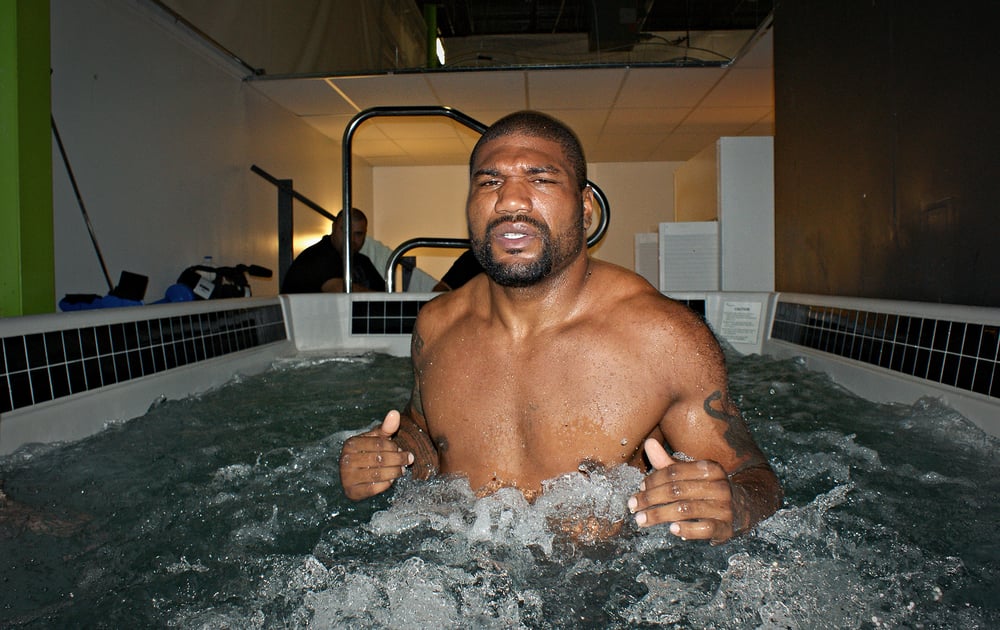
If cold is no good, heat is great. Saunas have the scientific community’s stamp of efficiency as a recovery aid. You watch Rogan. You know the deal. While they are expensive, hot water will work just as well. A new University of Oregon study shows hot tubs don’t just relax you. In fact, they outperform saunas in boosting circulation, dropping blood pressure, and supercharging your immune system. A soak in a hot tub or a sweat in a sauna does more for your blood vessels, your immune cells, and your general “I don’t feel like death today” vibe. You don’t need Rogan-Spotify cash to use this technique. The study had people soak in 40°C (104°F) water for about 30 minutes. That was enough to spike circulation and immune activity. So, if you have a bath in your house, you’ve got an A-grade recovery tool that more than justifies using all your house’s hot water.
DO AN OIL CHANGE
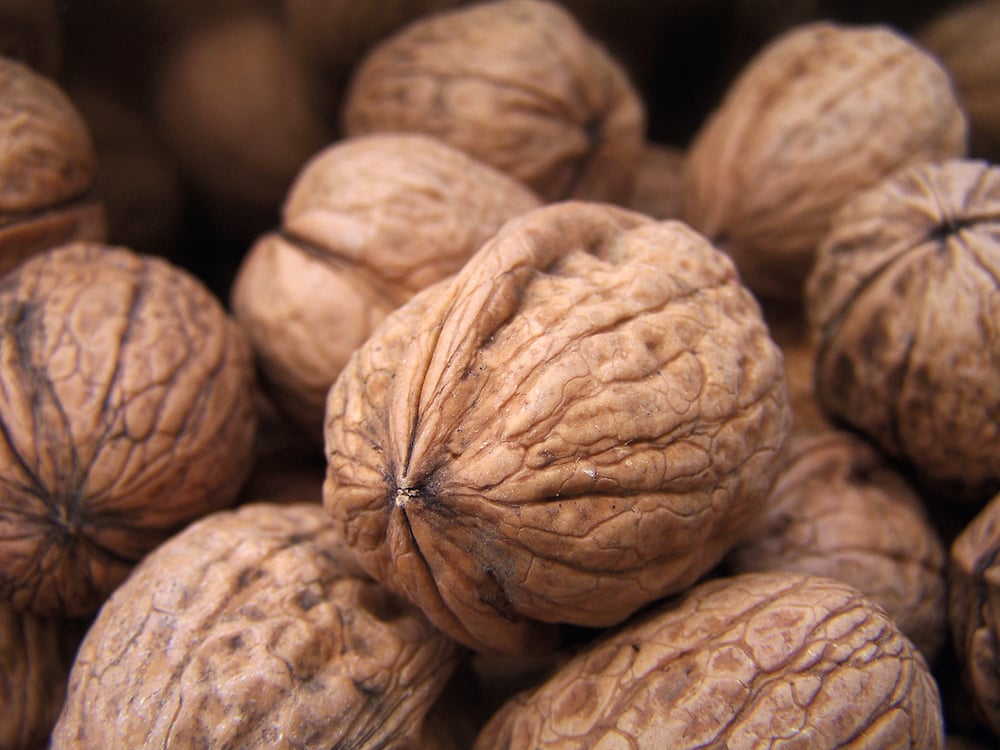
You know fruits and nuts are healthy, but sometimes they taste like rabbit food that’s been through the rabbit. Luckily, you don’t even have to eat them to get their recovery perks. A 2025 review in the Journal of Current Research in Food Sciencefound that the oils pressed from dried fruits and nuts, like almonds, walnuts, pistachios, and hazelnuts, pack all the recovery ammo without the chewing. These liquid forms are ultra-high sources of omega-3, -6, and -9 fatty acids plus vitamin E and polyphenols that put choke holds on post-workout inflammation and shield your muscle cells from the damage that you’d usually rack up in training. Walnut oil is particularly effective because it brings alpha-linolenic acid (ALA), a plant-based route to the same recovery-boosting fats people chase in fish oil. Almond oil throws in vitamin E, your antioxidant bodyguard, while hazelnut and pistachio oils bring a cocktail of healthy fats that keep blood vessels open and hormones steady. Add a small amount of these oils to your shakes, drizzle them over veggies, or mix them into yogurt. It’s a stealth way to eat fruits and nuts without actually eating fruits and nuts. For you, this means more recovery, less rabbit food.
TENDONS ARE UNDERATTENDED
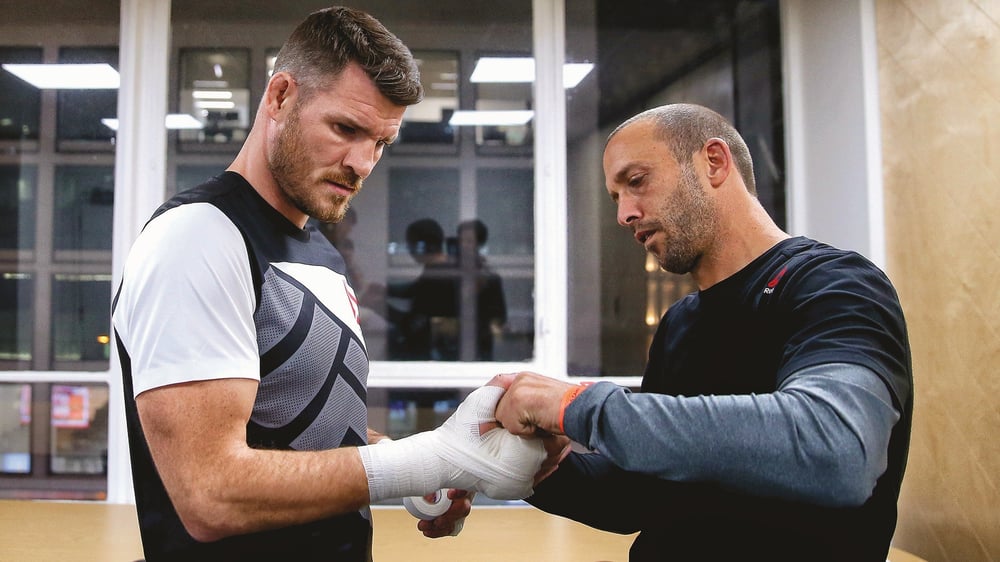
Tendons are the grumpy landlords of your body. Slow to fix anything and quick to keep the bond of a thousand workouts. Fortunately, a paper at the University of Rochester is beginning to lock down hard facts about them that can really accelerate your ability to recover. They found some cells in the tendon’s outer layer can go rogue. Instead of building a bridge to reconnect micro-tears, these cells sometimes lose concentration and wander off, forming stiff scar capsules. That scar can act like a glue on the outside and lock things up, impacting mobility over time. This means tendons fail because the wrong cells are often working in the wrong places. What does this mean for you? Well, it’s important not to rush the healing of a scar. They found there’s a 7-10 fibrosis window where you shouldn’t hammer the tendons with aggressive massage or loading in these two weeks. That includes the massage guns. In other words, let the bridge form before you stress-test it. When it is healed, be progressive with your loading, building the reps gradually instead of going all in.
FIND THIN AIR
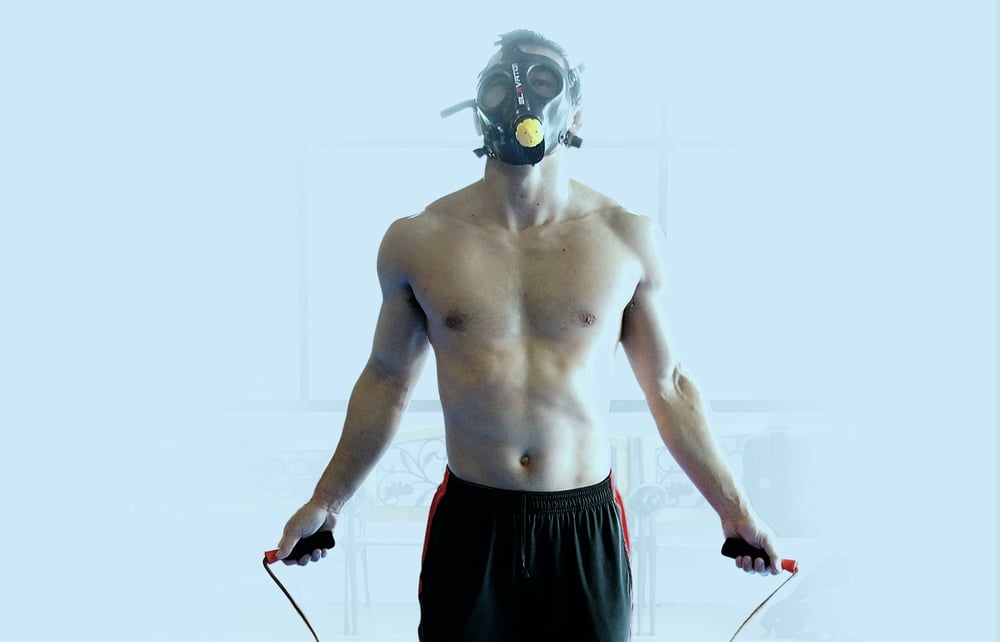
Look at the current crop of MMA champs. Islam. Khabib. Khamzat. Magomed. See the trend? Elevation. When oxygen is stingy and the lungs are oversized, recovery plays nice. A decade ago, altitude was sold as the earth’s all-natural PED where you’d train high and fight low to dominate. Now the science has caught up and found it’s not just an endurance booster, but it also elevates recovery. A paper at the University of Barcelona found that low oxygen can trigger a panic response in cells, causing them to flip the hypoxia-induced factor switch, which signals the body to form new blood vessels. This fires up mitochondria and rushes in the growth factors, which creates faster healing, more energy, and muscles that sulk if they’re torn. Live there and you’ve got it on tap, but if you’re a coastal fighter, you can still cash in on these benefits using altitude chambers or even hypoxic breathing masks. It’s easy to see why the mountains create monsters – they recover better while effortlessly lounging after training.
GET OVER IT
Recovery isn’t the bonus round. It’s the whole game. You can drill techniques and sharpen your conditioning all you like, but if you can’t do it again next week, then you slip behind because none of it sticks. The pro athlete world is a place littered with folk who had the talent and thought they could grind forever, only to see themselves broken down by injuries, fatigue, and burnout. Recovery is the secret sauce that turns training into lasting progress. Try these new tools and you’ll elevate your game above those who are still putting their performance on ice.
...