

Issue 221
September 2025
What was once background noise is now the main event. Women in MMA aren’t just part of the conversation anymore. They’re the ones leading it. From fighters to voices behind the mic and innovators shaping the sport, a new wave of talent has emerged, pushing its way to the forefront, changing how stories are told and how fighters connect with the world. Fighters Only spoke with five of these incredible women to discuss how they achieved their success, their approach to their craft, and the valuable insights they are eager to share with the next generation.
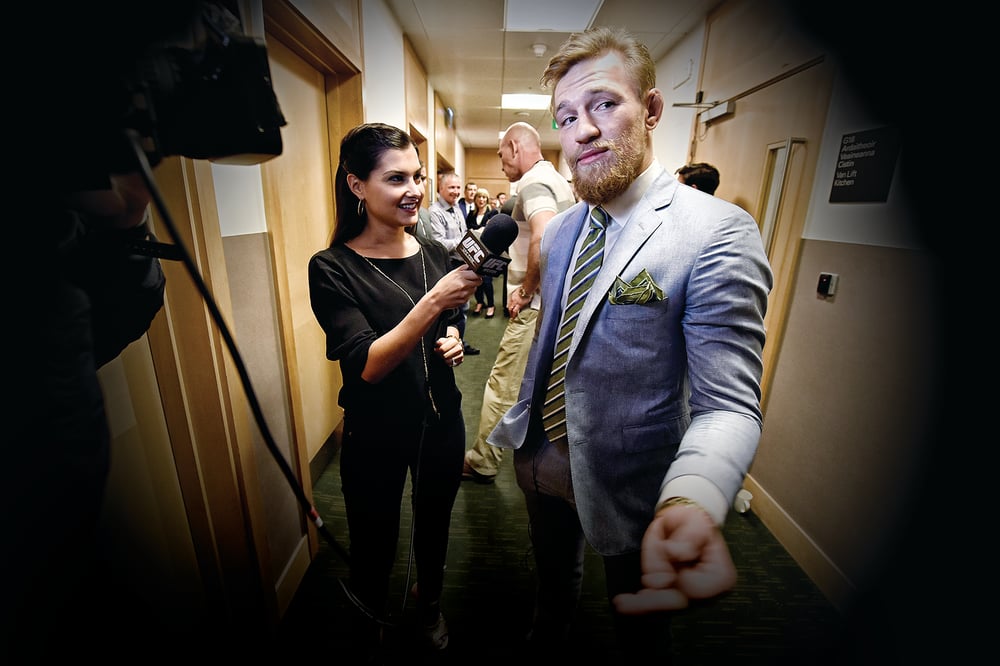
MEGAN OLIVI: THE GOLD STANDARD
Intelligent. Polished. Versatile. Olivi owns them all as she seamlessly shifts from reporting to hosting to interviewing, all with elite-tier professionalism. She has also become a mentor for up-and-coming talents, helping to guide them down the trail she blazed.
“I am just trying to be what I feel I needed,” began Olivi. “I had great people around me when I entered this space, like Karyn Bryant and Evelyn Rodrigues, who are still close to me and we lean on each other to this day, but they were doing their own things, and I was trying to figure out my own path. When we started experimenting with what this new reporter role looked like, it was just experimenting, and it was trial and error on my end. There is a formula now for how to do my role if you’re filling in, and if you follow it, you’ll probably be successful. When I did the NFL, I had none of that. My first experience? I didn’t even know where I was allowed to walk on the field, and I still have to ask, ‘Is this okay? Can I do that?’ That’s a humbling and difficult place to be when you’re already walking a tightwire for your job, so I just don’t want anyone else to ever be in that position.”
The Seton Hall alum brings the same passion and energy to every assignment, never taking her role for granted.
“I’m always just trying to earn that position,” she said. “Every single time I work, I’m trying to earn it. It could be a show in the APEX or Noche in Sphere, I’m gonna give it the same amount of attention because I feel like I have to earn the right to continue to do those hits throughout the broadcast. I have to earn the position, and I have to earn the right to story-tell, and the creativity and the unique perspective, because if I just show up and repeat something that we’ve heard in fighter meetings five times, what’s the point? So, for me, I never really let it become, ‘This is what I do.’ It’s always, ‘This is what I have to earn every week.’
STANDING APART
Olivi’s approach shows these ultra-talented individuals aren’t in the positions they’re in because they’re women. They’re in those roles because they’re among the absolute best at what they do, and they just happen to be women as well.
“Part of me is like, ‘Yeah, women!’ but the other part of me is like — I don’t really want anyone to look at me as having this job as ‘She’s a woman in this role.’ I just want everyone to look at it like, ‘She’s the best for that role.’ There have been men that have filled in for me while I’m on maternity leave. Women, and at the end of the day, I don’t want it to be ‘We checked a box. We put a woman on the broadcast.’ While I try to celebrate the fact I have these incredible friends and colleagues that are females and are breaking barriers, making their names in the space, I think for the majority of us, it’s not even something we look at in terms of gender. It’s ‘Now can I be No. 1 at this job?’ I think representation in this space is so important, and I think if we keep doing our best, lots of women will continue to rise. I think where you have to explore it or investigate it is in the opportunity. Are women getting the opportunity to audition or showcase their voices to have these roles? If you earn it, great. And if you don’t, it’s not your time, or there is just somebody better than you, which happens in regular life and regular jobs all the time. For me, that’s where I think it’s important to talk about. Am I in my role because I’m a woman? No, I’m in my role because I’m the best one, but would I be there if I didn’t have the opportunity? Absolutely not, so are the doors open to everybody that is in a deserving position to at least try to have those chances?”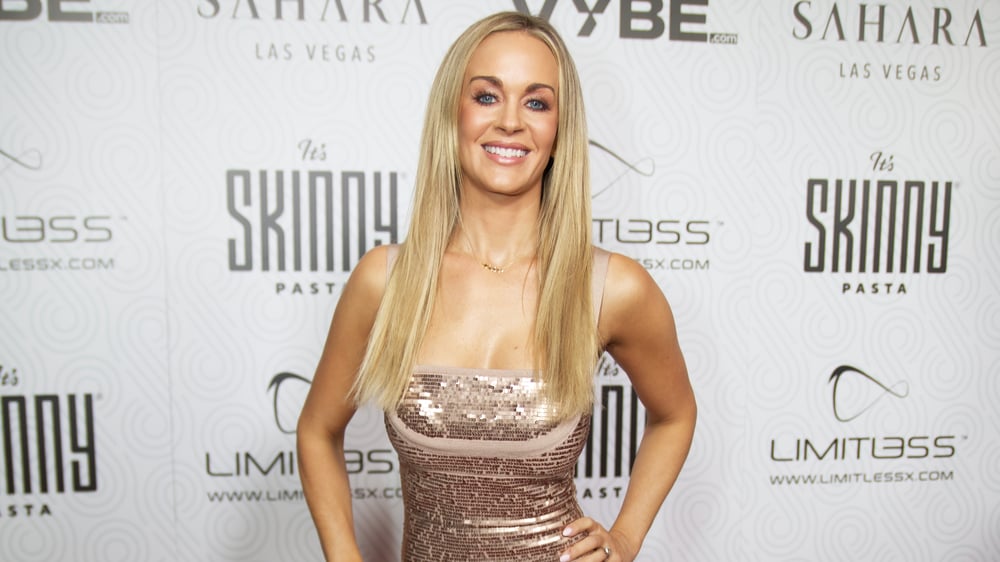
LAURA SANKO: THE ANALYST
“To me, it just shows that the sport is truly growing in all directions,” began Sanko when asked about the moment female voices are having in MMA right now. “It really wasn’t that long ago when women were not in this space, period, unless they were a reporter. That’s all there was to be. Now, you see this breadth of different voices that are all really important, all in each different type of role that exists in this world. To me, it just shows the true evolution of the sport, in its greatest sense. If you’re gonna have a large segment of the roster and arguably its second-biggest star as a female, it’s important to have women in the space.”
Just as Olivi set the standard, Sanko is doing the same on the broadcast side of things, transitioning from post-fight interviews to shining as an analyst on both Contender Series and traditional UFC broadcasts.
“My key to success in all of this has been my willingness to be ferociously curious about everything, and there is a lot even in the X’s and O’s that weren’t my expertise as a fighter,” offered Sanko, who went 1-0 as a professional, earning a second-round submission win over Cassie Robb at Invicta FC 4 before transitioning to motherhood and eventually embarking on a career in front of the camera. “I was more of a grappler, and this is never something I’ll be able to show a certificate for, but I spend a lot of time watching boxing tutorial videos to see what they’re looking for, and a lot of time watching Muay Thai instructional videos. I was never taught a Dracula guard, but I want to know what it is. Not because I’m gonna drop it on the broadcast, but I wanna know what it is. I try to spend time in my own classroom, on my computer, looking things up, even in the jiu jitsu world, because jiu jitsu continues to evolve. It was very important to me to amass whatever credentials I could to back up what I knew I was capable of doing, and sometimes you’ve just gotta be able to show the certificate, show the black belt, whatever it is,” continued the diligent student of the game, who earned her black belt and passed the MMA judging program to understand the officials better.
FOREVER STUDENT
Her studious attitude illustrates her commitment to her craft and her desire to be prepared, but it highlights the numerous double standards that exist for women. No one bats an eye when Michael Chiesa lands next to John Gooden, calling the Road to UFC series, or alongside Sanko and Dan Hellie on Tuesday nights. He’s been an active UFC fighter for a decade. But with Sanko, because she didn’t compete in the UFC, because she’s a woman, a segment of the audience was always going to be hesitant to welcome her.
“It was important to me because I knew it was possible,” she said when asked about her drive to get broadcast opportunities. “As silly as it sounds, I knew that it was possible and important for someone to go out there and talk X’s and O’s as well as the guys do it. Not the exact same way, and I know I don’t carry the same resume or gravitas as double-champ DC (Daniel Cormier) does, but I think over time, I’ve earned some people’s respect. I knew I could do it and do it the right way, and not make it about being a woman, as crazy as that is, because in the back of my mind, that was an important part of it, but I tried not to lead with that, and I still try not to lead with that. It’s just more of an ‘It needed to be done.’ I think it’s about not looking for validation anywhere that doesn’t matter. If I’m doing a good job, then I know I’m doing a good job because I still have a job. Early on, I got a lot of DEI comments, which is so laughable. As I’ve done more and more cards, I feel like it’s died down a bit, but I expect there to be another wave the next time I do a pay-per-view because there is always the segment that doesn’t watch Fight Nights or pay attention to the fact that I’ve been calling Fight Nights throughout the year, and all of Contender Series again. I’m mindful of the fact that I just need to go out there and do my thing. The guys I sit next to respect me, and my boss respects me in this position, and that’s all that matters. The only opinions at home that matter are my husband and my close friends.”
While she’s still relatively new to being an analyst, she’s crushed it so far, and her addition to the team is having a ripple effect throughout the industry.
“I hadn’t really thought about it the way that you phrased it at the top of the call, but you’re right,” said Sanko, circling back to my “female voices are having a moment” pitch from the outset of our call. “Do you know what I love seeing? Over the past three years, when I watch regional MMA. There are so many women calling regional MMA now. The first five years, I did Contender Series, and I was watching film, there were zero, other than Julie Kedzie. Zero. I’m excited for the day I’m retired, watching from home, and it’s not a big deal that there is a female commentator and a female analyst and whatever other roles we’re not even thinking about right now, and it isn’t shocking to people.”
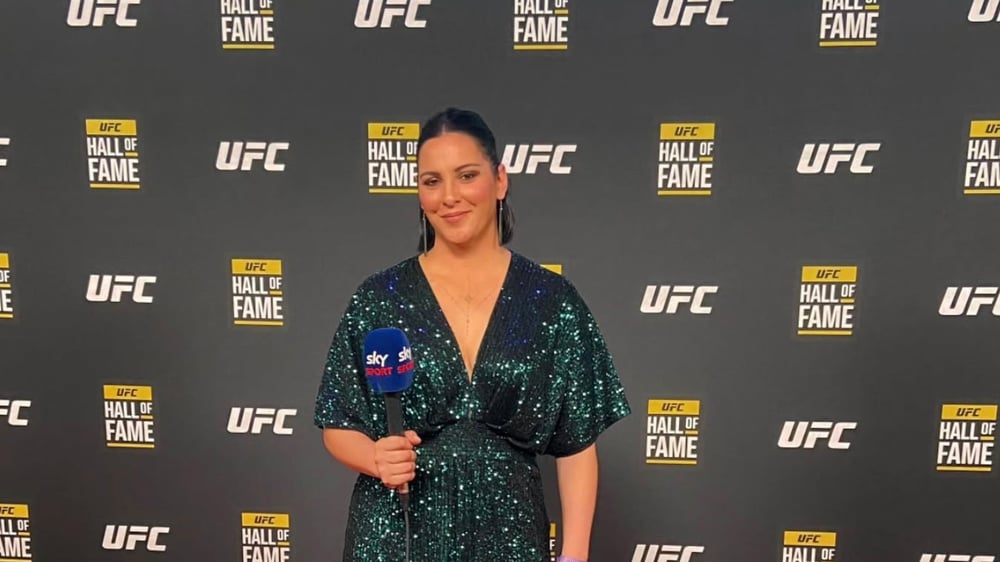
RAVINDER HUNIA: NEW ZEALAND MMA’S NEXT STAR
It’s not surprising at all that Ravinder Hunia first started pushing for MMA to gain airtime in the New Zealand sports landscape 15 years ago. It’s also unsurprising that she’s going to be the next big MMA star to emerge from New Zealand.
“I was going to a lot of events, doing a lot of ring announcing and post-fight interviews and things like that, and I just kind of thought, ‘We have such talented athletes in our country that just go unnoticed, and the only real attention they get is offshore, unless you’re in the boxing world, you aren’t really looked at,” began Hunia, who works as a presenter for SkySports New Zealand while also serving as a contributor for ESPN. “So, I just got on a bit of a crusade to go, ‘Hey, mixed martial arts is growing in popularity around the world, it’s touching base here in New Zealand, I think if we have a bit of foresight, we’re gonna have a few stars coming out of this country.’ This was 15 years ago, and so that’s how the whole mess became a direction for me.”
Her initial approach was to show the human side of the fighters, understanding that while not everyone is drawn to the physicality, we can all relate to their stories.
“I had to break it up into stages because if you’re in the MMA community or you’re working within the UFC, you see the sport very differently than those outside of it. “So, it’s like ‘How can we deliver a product where it’s not a mainstream sport and how do we put the show forward where it’s palatable for everyone, even if they have this ‘I can’t watch that’ sort of thing?’ I kind of went down the human aspect side of things. At the end of the day, everyone is human. Everyone can relate to human things, so it was humanizing our fighters. Talking about their lives. Their families. What they were doing before MMA. You’ll hear a lot of the fighters say, ‘Originally I wanted to be an All Black’ or playing rugby league for the New Zealand Warriors, and those are the kinds of things that when you touch on those things and then integrate the MMA into it, people are getting educated without really knowing it’s happening. And looking at our athletes as not these blood-thirsty monsters, but they’re mere mortals just like us.”
CHANGING TIMES
COVID led to opportunities, as the UFC delivered events while the rest of the world shut down, leaving sports-mad New Zealanders clamouring for something to consume. Suddenly, Hunia was getting a wave of interview opportunities, and she walked into her boss’s office and pitched an idea.
“I joked to my boss about ‘Why don’t we just make a UFC show? We’re the only broadcaster in New Zealand, so why don’t we front-foot our broadcast partner?’ and he was like, ‘Yeah, that’s a great idea!’ We carried on with that human aspect lane, and then it started to grow. The people were starting to get educated, the stories were out there, and I had to get more analysis and fight stuff, more than just the stories that were my wheelhouse, hence getting Dan (Hooker) into the show to get more of that MMA expertise.”
In addition to pioneering a program that hadn’t previously existed in the ANZAC region, Hunia is also standing out as an inspiration for multiple demographics that haven’t always seen themselves represented on television.
“I have 100 percent taken that on as a full responsibility. Anything I do, that stuff is always at the forefront,” she said when asked about her Māori and Punjabi culture. “It’s a thing here in New Zealand and being Māori that ‘You don’t know where you’re going unless you know where you’ve come from.’ That’s something that I’ve always stayed true to myself, and I want to look back on my work when I’m done, and yes, I get to share these great stories and have the privilege of talking to these great athletes, but who was I in those moments as well? What did I say and represent? What environment did I create for these people? If you look at the stats of our show, we’re doing well everywhere, but it’s very young and very brown. I’m very aware of who is watching the show, and I want young boys and girls to look at the screen and say, ‘If she can do it, I can too.’ Just to know that in every sport, people like us exist. You don’t only have to be a professional athlete to be working within the realm of the UFC or your local sports broadcast. It’s a very viable option for anybody. All in all, that representation is an absolute responsibility.”
STANDING TALL
Like her contemporaries, Hunia is equal parts proud that more female voices are being featured in the sport.
“It's really, really special, and just you saying it like that, it’s quite overwhelming to even think that you’re a part of that,” she said of being included in this moment. “At the same time, it was always a matter of time. When you see these female champions, female promotions around the world are growing, you have to adapt. We’re 50 percent of the population — maybe more, maybe less — but it would be stupid to ignore the fact that getting more females who half the time control the purse strings in the home, maybe pay the bills, pay the pay-per-views, pay the gym fees for these kids to grow up and become UFC fighters one day. It’s a no-brainer for women to be a part of it. To involve women and to show visibility for women. When (Laura is on comms) and we all keep doing what we’re doing, it becomes the norm.”
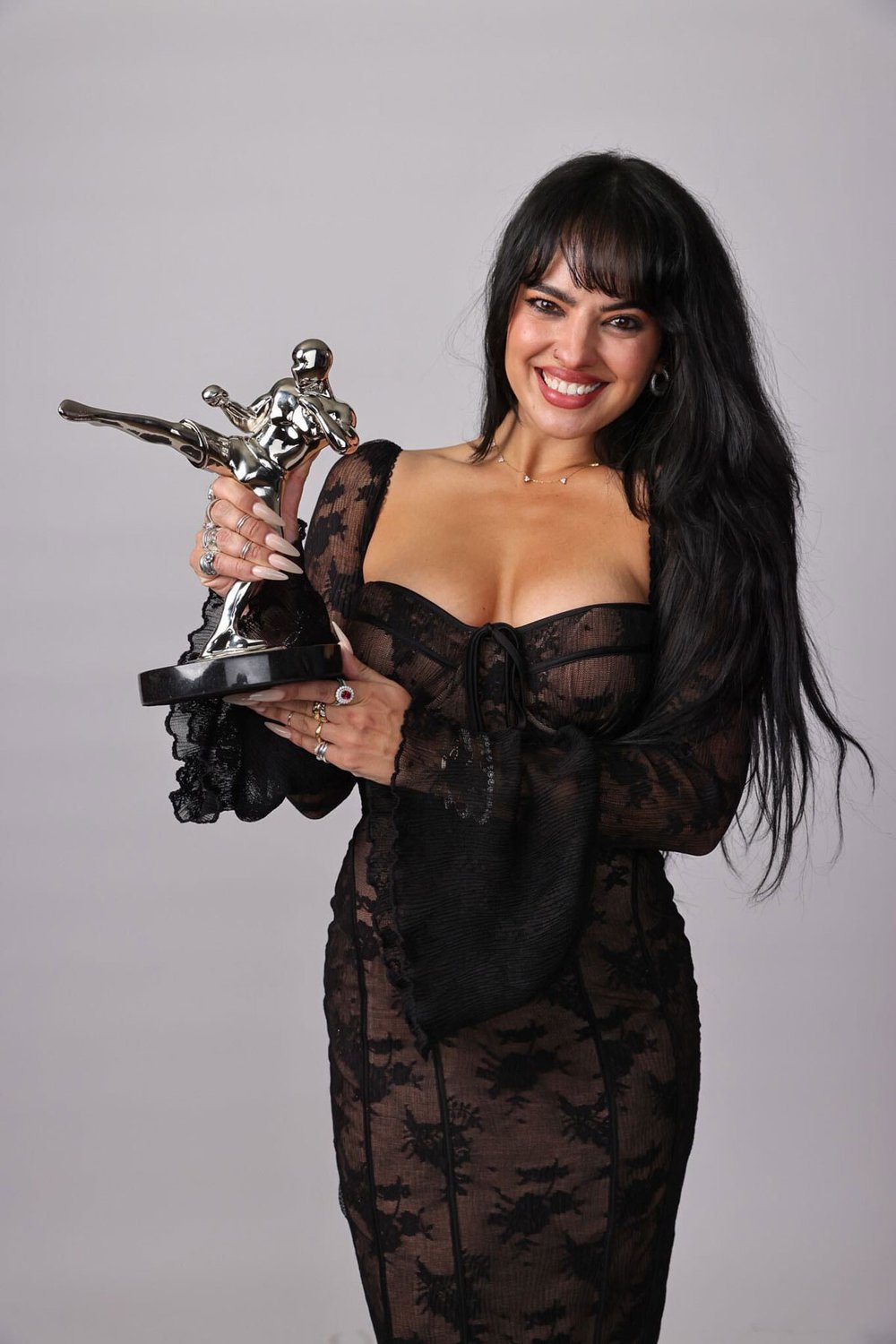
NINA-MARIE DANIELE: THE LIGHTNING ROD
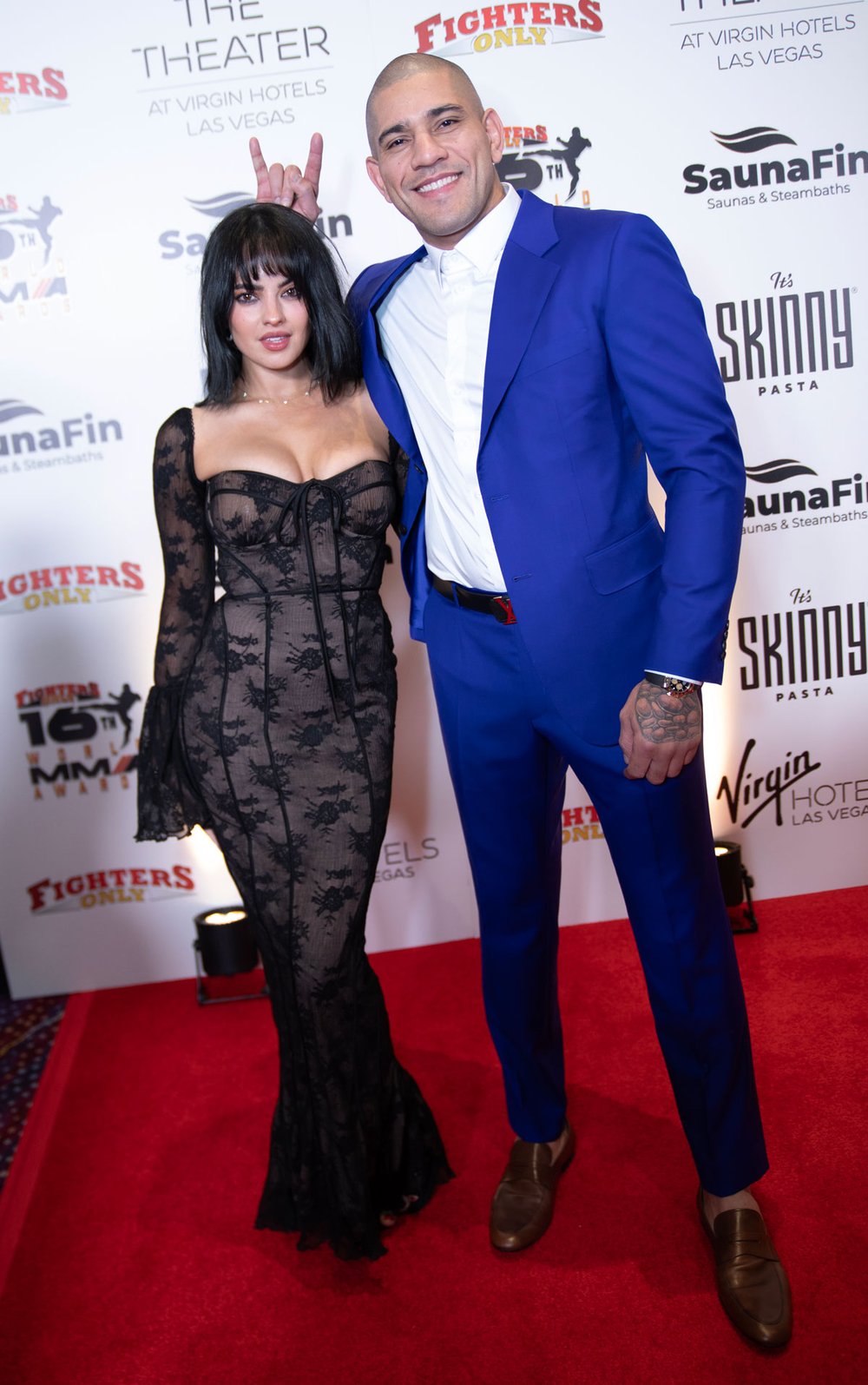
You cannot do what Nina-Marie Daniele does. The reigning World MMA Awards Personality of the Year burst onto the scene as a comedic, engaging breath of fresh air while amassing a collection of bruises, traffic records, and entirely predictable criticisms.
“It’s just insecure people, and they want to find a reason why they’re not doing what I’m doing,” Daniele said of her critics, who float the same tired theories on how she’s become an ever-present Fight Week fixture. “‘If I had this opportunity, I would have done the same, but I can’t because I’m not a woman and I don’t have big tits that got me where I’m going.’ Then they say I’m ugly, and it’s like, ‘Okay, am I ugly or am I so attractive that I got everything for free and I’m an industry plant?’”
She laughs at the absurd hypocrisy.
“We pull in a half-a-billion to a billion views a month. A half-a-billion to a billion. We work our a**** off. We don’t get that because I’m some industry plant.”
Since Daniele is attractive, along with being a hustler and an undeniable talent, the hustle and talent portion of her story often gets brushed aside.
“If that’s what I had to do, I wouldn’t work a day in my life,” she said with a smile in regard to the false assumptions people make about her. “I would be on a yacht somewhere, in Saint Tropez, with a sun hat and a virgin pina colada. I wouldn’t work a day in my life. I wouldn’t get beat the f*** up multiple times a month just to make you laugh. I walk around with bruises. I have a bone contusion. A herniated disc in my neck. Why would I go through all of that torture? Why would I do that for a video? If that was in my character, I wouldn’t be doing it to work. I’d be doing it to not work.”
UNDENIABLE TALENT
Luckily for us, what is in her character is an ability to identify areas where she can carve out a lane for herself, a readiness to outwork everyone, and the foresight to always try to be a step ahead. After working with Triller on the Jake Paul-Ben Askren fight and her content generating massive numbers, she connected with the UFC social media team, who sought her out for an opportunity during International Fight Week in 2022. During that week’s fighter walkouts, rather than a member of the production staff sauntering out to the sounds of someone’s walkout music, there was Daniele, strutting, dancing, and shaking her way towards the Octagon in a clip that went viral and got her foot in the door with the UFC. As opportunities were presented, she kept saying yes, except when it came to interviewing Dana White, because she was aware of what people in the community would say if she were to sit down with him. But eventually, that interview took place. White loved the experience, offering her a contract and opening the door for her to do her versions of irreverent interviews with UFC athletes. Three years later, Daniele is continuing and raking in massive numbers.
“Three Salt Lakes ago (UFC 278), that was my first Media Day,” she said. “We just started that way, pumping out as much content as we could, and it led to the stand-up five-minute interviews, to the sit-down 10-15, to 20-25, to 30-45 minutes, and it just got bigger and bigger and bigger. It got to ‘How do we elevate this content? Well, we should do fight vlogs. We should show them outside of fight week, when they’re not exhausted and depleted and nervous and all of that.’ We started doing those, and we went from one fight vlog to two fight vlogs, to three fight vlogs. I deserve to be here, too. I feel like I worked hard, my team worked hard, and we proved ourselves. My goal was always to show that the fighters had personalities outside of fighting. That there was more to them other than what they did for a living, and I wanted to show that side. I thought there was a little bit of an empty space in regards to that, and maybe we could thrive.”
Thrive she has, and anyone who thinks for a second that she’s going to slow down hasn’t been paying attention.
“The way my mind works is that as soon as I see we’re doing really well in something, I pivot, because I don’t want it to become stale or stagnate,” she said. “I want to constantly find ways to keep people engaged in what we’re doing and elevate our content. I’m also pretty competitive, and because of the doubt that is placed on me, how people theorized that I got here, I have this burning desire to always be ahead so that it’s impossible to catch up to me. Every time I see we’re doing well and thriving, I want to add something to it. When you really want to do something, you find the time. So, where I started to what it is now. You just have to believe you can do it, and if you have the belief that it’s gonna work out and you actually put in the work, anything is possible. But you can’t just believe it and then expect it to happen. You have to work.”
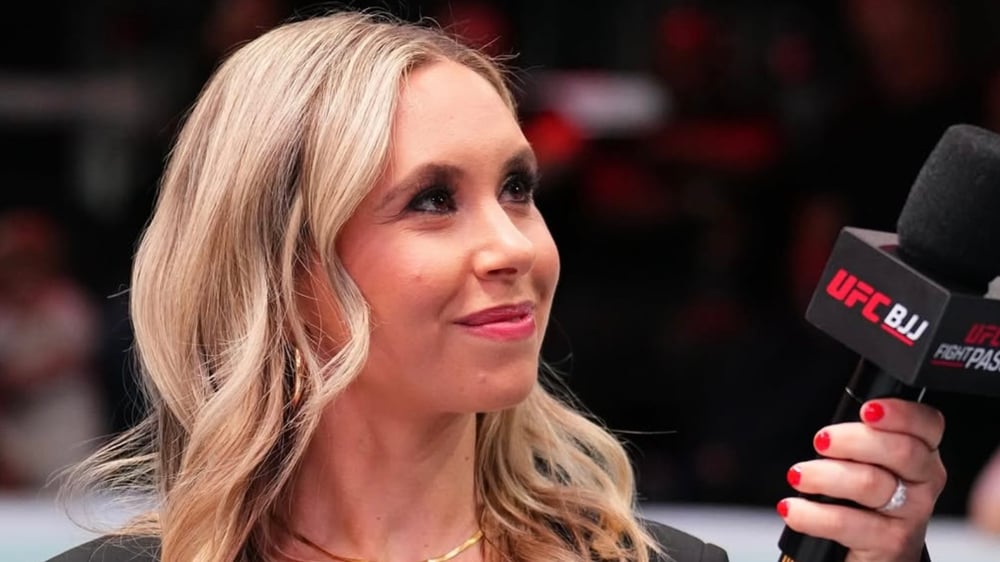
MCKENZIE PAVACICH: THE PROSPECT
Just as we see new faces earning one-to-watch designations, there are also moments when we see broadcast talents step onto a larger stage. Pavacich is one of those people. Starting as a digital coordinator for UFC.com, the Virginia State alum with a Master's in Sports Journalism, Pavacich was six months into virtual media days before her boss, Steve Lattrell, asked if she wanted to film a pilot for a potential interview series.
“I was thinking we were doing a proof of concept for someone like Laura (Sanko) or Fitz (Brendan Fitzgerald) to do,” she smiles. “Davey Grant and I sit down. I’ve got everything written down on a little notepad. I’ve always been of the mindset ‘Do things as if you’re doing it for real, always, even if it isn’t for you,’ so I put on makeup and did my hair and whatever, tried not to look at the notes. Then it gets sent to (Craig) Borsari and (Zach) Candito, because it’s a proof of concept, and then I get feedback. A couple of months later, we were in Phoenix for Oliveira vs. Gaethje. We were backstage, Caroline Pearce was right next to us, and Steve turned to me and said something like, ‘You’re really good at this. Do you ever want to step in front of the camera?’ and I was like, ‘Post-fight? Sure! Why not!’”
The unexpected ask eventually led to Pavacich conducting post-fight interviews backstage following countless UFC events, which showcased her ease on camera and her ability to connect with the athletes.
THE NEXT STEPS
Following work on weigh-ins, desk work, and digital manager roles, she’s going from strength to strength.
“It has been crazy,” Pavacich said of her last couple of years. “In 2024, I did two broadcasts for Road to UFC, and I was given my shot in Macau. This year, by year-end, I will have done 10, including Road to UFC and UFC BJJ stuff, so it really has been 0 to 100. It’s been interesting because when I think about it, I should be overwhelmed, but I’m not, because what feels like overnight to a lot of people, this dream that I’ve had for so long just became a thing.”
For the up-and-coming standout, the journey to being on camera as much as she is now has been a long and winding road filled with self-doubt. A big part of what has helped her navigate it all is having the support of people like Lattrell and Candito, and a mentor in Olivi.
“When you live your life and work through a career and you see your own potential and you believe in it, but no one else recognizes it, after a while, you start to think, ‘Am I delusional? Am I out of touch with my ability? What’s the disconnect here?’ After a while, you kind of start to believe it. It took a lot of nudging from Megan for me to jump in on this, and a lot of that nudging helped me to believe in myself again, because if this woman that I have admired since before I worked at the UFC. She was the first broadcaster that I really connected with because she’s so human and generous with her time and her knowledge and experience, and that comes through. I’ve met a lot of people in my life that I’ve admired, and she’s one of the few that didn’t let me down. Megan is a one-of-one. No one has done more than Megan. For someone to come up to you and be like, ‘Here’s all the ways I f***ed up in the past, don’t let it happen’ or ‘Here’s all the ways I wasn’t ready’ and ‘This didn’t exist, but now it does, and here’s how you make sure you do it to the best of your ability.’ Megan was like ‘Here is The Playbook. It’s up to you to follow it,’ and I follow that s*** to a tee! It takes a real incredible broadcaster to do this job, and do it as well as she does. It takes an incredible and special person to do what she does, that will make such a lasting impact on this industry. She mentors so many of us, and that just means the next generation will be one step ahead in terms of preparedness. It would not be possible without her. Just like you have your jiu jitsu lineage, I’m calling this the Megan Olivi lineage.”
CLOSING THOUGHTS
Just in case it wasn’t already clear, allow me to lay this out plainly for everyone: these women have put in the hours to get to where they are. Anyone who believes they could do just as well, given the opportunity, is welcome to try. It shouldn’t be a big deal that these women are thriving in their roles, not just in MMA. There are many who continue to question the skills and credentials of female talent in ways they never do their male counterparts. It's as Olivi said: everyone who merits an opportunity should be afforded the chance to claim a role, regardless of gender, and may the person best suited for the position win. Right now, the best people for the roles in the MMA media space are women, and that’s only going to increase as we go forward. Get used to it.
...