


issue 223
November 2025
Science finally binge-watched MMA in 2025, and the numbers it spat out are wilder than any highlight reel.
Every year, MMA dishes out highlight reels and shiny belts, but 2025 gave us something even better: scientists finally poking around under the hood like guilty fanboys, figuring out what’s actually happening inside the cage and inside the poor bastards throwing hands. This was the year the lab coats pulled up a chair, opened their clipboards, and started explaining the fight game back to us with charts, graphs, and weirdly specific percentages. If entertaining violence is an art form, then 2025 proved science isn’t just in the front row – it’s wearing merch, holding a foam finger, and taking notes like it’s studying for the final.
THE BRAIN KEEPS RECEIPTS OF EVERY SHOT
Head trauma is the boogeyman lurking in the shadows of every contact sport. One knock and it can all be over, but in MMA, your brain may be keeping a running tab on every glancing jab or sparring day heater that slips through your defense. Two papers found the brain has a waste-removal system that washes out junk, like inflammation chemicals, while you sleep. This self-cleaning system can go offline if you consistently take shots to the head because the beat-up parts may not get a chance to be ferried away, and microscopic damage has time to set up camp. Poor sleep makes this system worse, so if you’re pulling late nights and not prioritizing those precious 8 hours, or your sleep quality is broken, the waste may pile up like rubbish bags left on the kerb after a Fourth of July weekend. The fix is annoyingly simple: get 8-10 hours of sleep each night, or you may risk a slow, silent KO down the road. Without it, your brain can’t clean house.
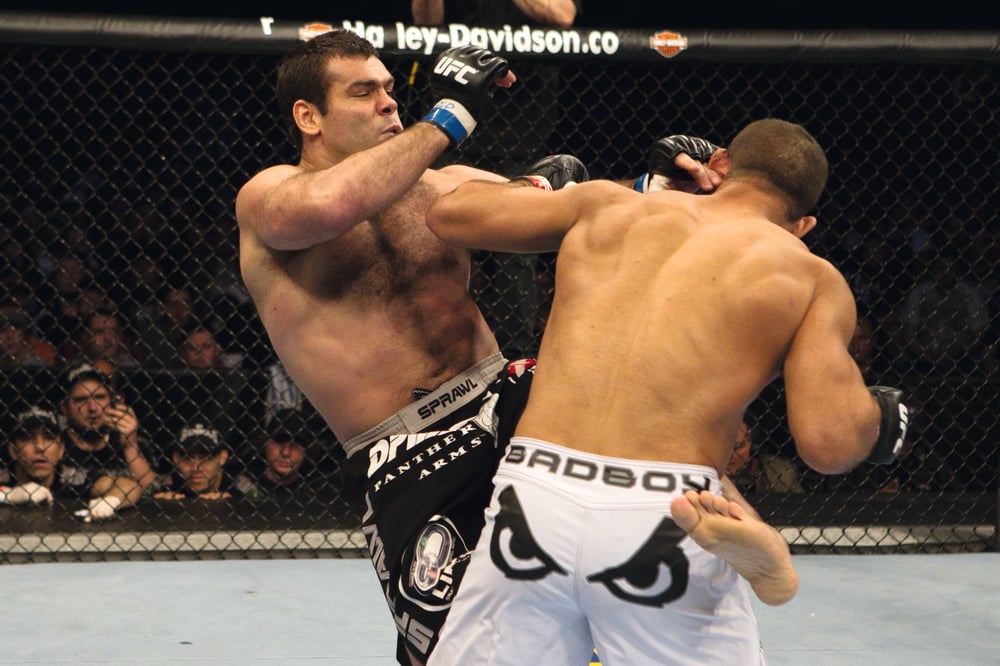
51% OF KNOCKOUTS ARE A HOOK
If there’s one punch that hits different, it’s the hook. We learned this year that after a breakdown of 264 UFC knockouts, the hook is the people’s elbow of punches. Straights accounted for 35% of KOs, which is surprising considering how vanilla they are. This research also found that for every 1cm of reach advantage, the odds of a fight-ending punch being a straight punch increased by 10%. That’s the kind of stuff that gets Anik and Rogan all frothed up over in the commentary booth. It means that if you’re tall and long, a straight right is mathematically more likely to land.
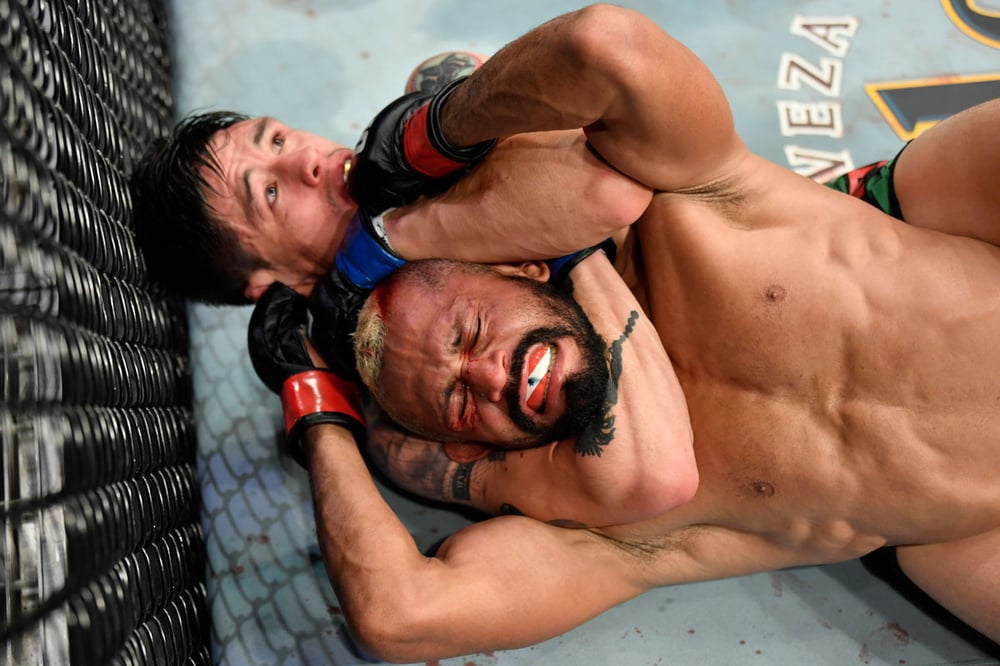
65.5% OF SUBMISSIONS ARE CHOKES
Grapplers are on top of almost every weight class, much to the dismay of many casual fight fans who don’t always love watching five championship rounds of wet pancake smothering. After analyzing 293 UFC fights, researchers found that chokes are the BFFs to a tap. Fortunately, this is something the fans can get behind, while the joint locks, cranks, twists, and bends fight over the remaining scraps at 34.5%. The rear-naked choke accounts for 32.7% of finishes, so using it is the cheat code for ending fights. If you’re training MMA and not prioritizing neck offense and defense, you’re playing the sport hard mode. In a world where everyone’s limbs are strong, but everyone’s carotids are weak, protecting the pipes is the real meta.

FIGHTERS ONLY GET SMALL TO FEEL BIG
Weight cutting is an MMA self-inflicted misery ritual until they slim down to like a Halloween knockoff of themselves. Those who dropped more than 5% of their walk-around weight saw no measurable impact on their performance success. Cutting doesn’t make you stronger, faster, or more powerful. So why keep at it? The review found that fighters like to do it because it feels like an advantage. It’s the tough guy tax they think they need to pay to be at their best, however the science says all they’re doing is gaining anxiety, dehydration, and a shorter career.
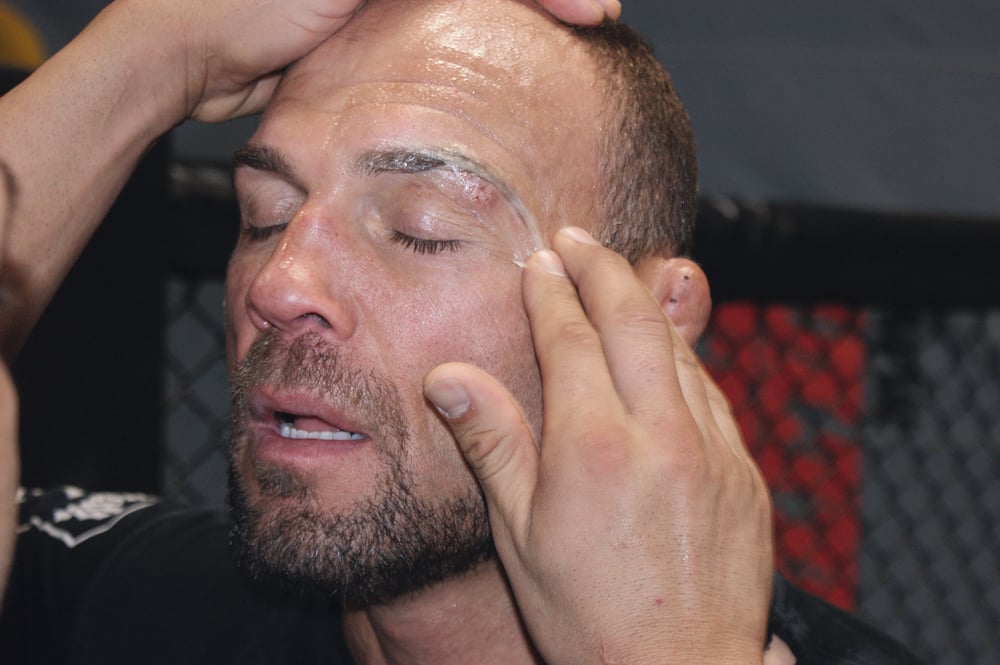
80% OF MMA INJURIES ARE MINOR
Cage fighting! That’s what it used to be called and conjured an image of maximum damage, but that’s not even remotely the truth. For every 100 fights, there will be 23.6 – 54.5 injuries, according to 2025 research. Most of these were low-stakes stuff like a little cut or bruise that fighters shrug off before the adrenaline even fades. MMA is not the gladiatorial graveyard people imagine; it’s a highly medically regulated, well-supervised sport worldwide. Fighters do take damage, but most of it heals faster than a bruised ego.

POWER TO WEIGHT RATIO IS THE REAL WINNER
Heavyweights might punch like wrecking balls, but that’s because they’re built like a refrigerator with a pulse. They can generate 823.17 watts of power compared to lighter fighters who clock in at 648.67 watts. But that’s only part of the story. New research this year found that it’s the Relative Peak Power (W/KG), which is the watts per kilogram of bodyweight, that can make the difference. Lighter fighters clock up 8.15W/kg while heavyweight MMA fighters come in at 8.90W/kg. That’s a split decision difference. Tiny. Pound-for-pound, the flyweights and bantamweights create virtually the same KO-grade power, just with better speed, cleaner technique, and fewer meals each day.

MMA MAKES LIFE BETTER
You don’t need scientific permission to know that MMA is unbelievable for your mental health. However, 2025 gave us the doctor’s note that shows it’s just as good as chanting om with a vegan yoga instructor. As well as getting in you fit, MMA gives your brain a psychological upgrade toward the glass half full. People who train in MMA enjoy a massive boost to their overall life satisfaction while rewriting their emotional intelligence and self-esteem. The more you roll, clinch and sprawl the more emotionally bulletproof and self-assured you become. You turn into someone who can handle stress without melting and get a renewed belief in yourself. That’s the biggest lesson for 2025: don’t just watch MMA, do it. All you need is a gym, mouthguard and someone trying to choke you on purpose to make your life better.
...