

Issue 232
August 2026
From Volkanovski’s Dagestan invitation to Ian Machado Garry’s global gym crawl, MMA’s new generation is traveling the planet in search of championship answers.
In the early years, finding a gym where somebody understood striking, submissions, and basic dental retention was difficult enough. Once fighters found a coach, several useful training partners, and mats that didn’t require a tetanus booster, they stayed put. Aside from a Muay-Thai-vacation in Thailand, leaving was treasonous. Legends like Chuck Liddell, Matt Hughes and Fedor Emelianenko all had this mindset where they locked into their respective gyms, but that arrangement may be fading. Today, MMA athletes do the opposite, acting like modern ronins who cross borders, borrow expertise, and treat the world’s best gyms as a high-performance buffet where cauliflower ear is always on the menu. A recent viral exchange suggests Alexander Volkanovski may soon become one such unlikely traveler. During a heartwarming exchange with the man who beat him twice, Islam Makhachev, ‘The Great’ was invited to swap the Australian coastline for the lofty mountain tops.
“You give me a hard time there, bro, it’s better to come to Dagestan,” Makhachev told Volkanovski, adding one condition. “Bro, next time don’t bring Craig Jones into your camp. Bring some Dagestani guy.”
When Volkanovski began pondering the trip, Makhachev issued the warning every married MMA athlete eventually hears.
“Don’t say like Demetrious Johnson tell me in the last interview ‘I have to ask my wife’.”
“I won’t say that to you, but I will actually have to ask my wife,” Volkanovski replied, before confirming. “I’m coming to Dagestan, and we’re definitely going to get some training.”
It’s the exchange we all wanted and captures a shift in how champion fighters may build their careers in the future. Gym loyalty now has to compete with specialist coaching, better training partners, and whatever knowledge is hiding several flights away. Fighters are relocating camps, dragging families across continents, and occasionally leaving behind the person who helped build their skill set. Sometimes that produces the missing piece of a championship puzzle. Sometimes it is an expensive way of avoiding the coach who knows exactly what is wrong. The modern ronin must recognize when it is time to grow and when he is simply running away, but what does it all mean?
THE HONEYMOON ENDS
Ian Machado Garry, another scalp on Makhachev’s increasingly crowded mantelpiece, has created a career that treats the world’s gyms as one enormous MMA university. He developed in Ireland, moved to Kill Cliff FC in Florida, found a new home at Chute Boxe in Brazil, and recently visited Georgia to stuff additional wrestling to his luggage. We won’t mention the short, famously unsuccessful attempt to train with Team Renegade in Birmingham. Few fighters have pursued improvement with more geographical enthusiasm. Those air miles produced a good showing against Makhachev, though not the golden belt Garry hoped would be waiting at the baggage carousel. He represents the attractive side of MMA tourism. Yet there remains a fine line between expanding your education and repeatedly changing schools because every teacher keeps writing the same uncomfortable comments on your report card. Some research suggests the decision is more emotionally complicated than selecting the room with the best wrestlers. In a qualitative study of 16 MMA athletes, the gym was often described as a second home. Several fighters mainly socialized with others in MMA, while the demands of training made it difficult to maintain ordinary dinners, friendships, and social activities outside the sport. One veteran fighter and coach in the study said that the bonds were forged over years of training, travel, and shared hotel rooms. He said he had come to care for the elite fighters almost as though they were his children. That may not be the type of reception that Ian receives everywhere and certainly not in Birmingham. That said, we ran it past Jakob Sverre Lovstad, the ‘Striking Viking,’ a former pro MMA fighter with a master’s in clinical psychology who, during his competitive career, regularly traveled to learn new skills.
“The only problem was that you always had to prove you belonged in the gym no matter where you went,” he said, reflecting on his travels. “Now that a lot of gyms actually want your money and people traveling to train is a business, you don't have to quite pay the same price in blood, sweat and tears. Also, because the community was much smaller, you could actually get in touch personally with top 10 fighters and coaches and get to work out with them, as long as you had some basic credentials and preferably someone vouching for you.”
Therein lies the tricky part: making sure you show up humble.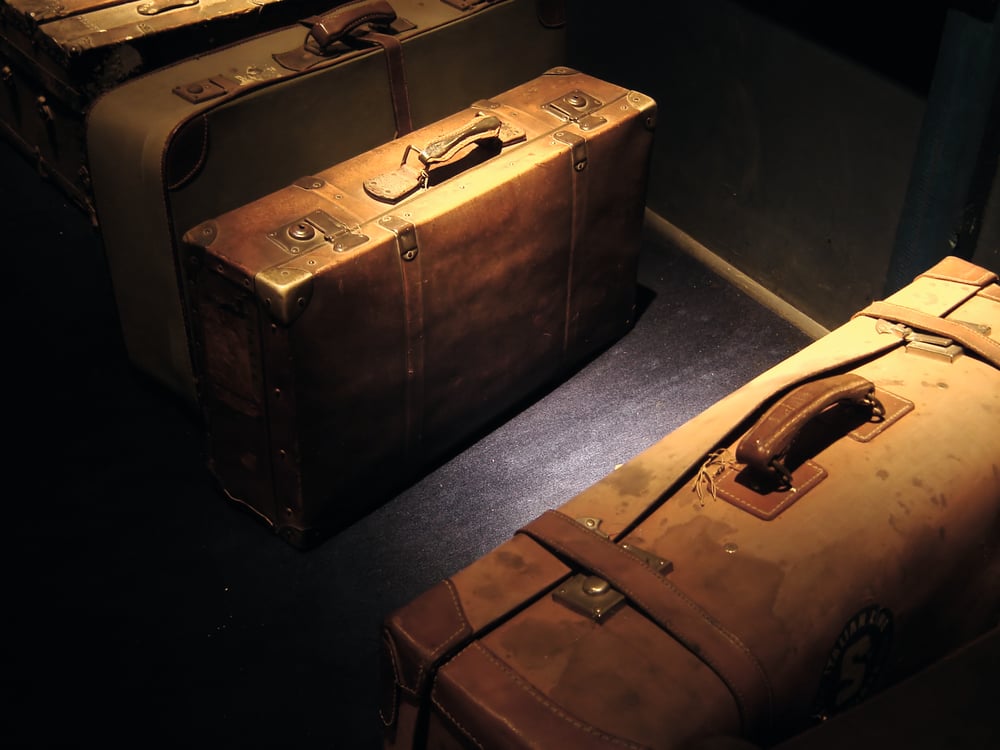
THE CHANGE UP
Even if you’ve got a tight-knit team, there’s no proof that leaving a gym will hurt performance, but it does explain why switching gyms can feel like a lot more than just canceling your membership. Research into performance models might help us understand why this may or may not work. The “3+1 Cs” model described in this paper explains what might keep those relationships productive. It assesses closeness, commitment, complementarity and co-orientation. In fight language, that means trust, a shared destination, roles that continue to work, and an accurate understanding of what the other person needs. The important part is not just staying together. They stress that coaches should always consider how athletes respond to their behavior and adjust it to meet athletes' changing needs. The researchers also documented a coach-athlete relationship in which resistance to adapting contributed to daily tension, performance disappointment and an eventual split. A fighter’s first coach may have carried them from a draughty community hall to the UFC without possessing every specialist answer required at the top. But that does not make them a bad coach.
“I think it would be just insane to think your own gym has it all,” says Lovstad. “I picked up everything from specific techniques and drills to how to organize training and optimize strength and conditioning in ways I wouldn't even have thought about at home. Also, what it means to be a fighter really varies from culture to culture, so you really get to experience something fundamentally different when, say, wrestling in Iowa compared to doing Muay Thai in Bangkok.”
No single person can master every increasingly specialized corner of MMA. The smartest coaches recognize when to bring in outside expertise without treating the visiting wrestling specialist as if he has come to steal their fighter, their job, and the best parking space.
EXCESS BAGGAGE
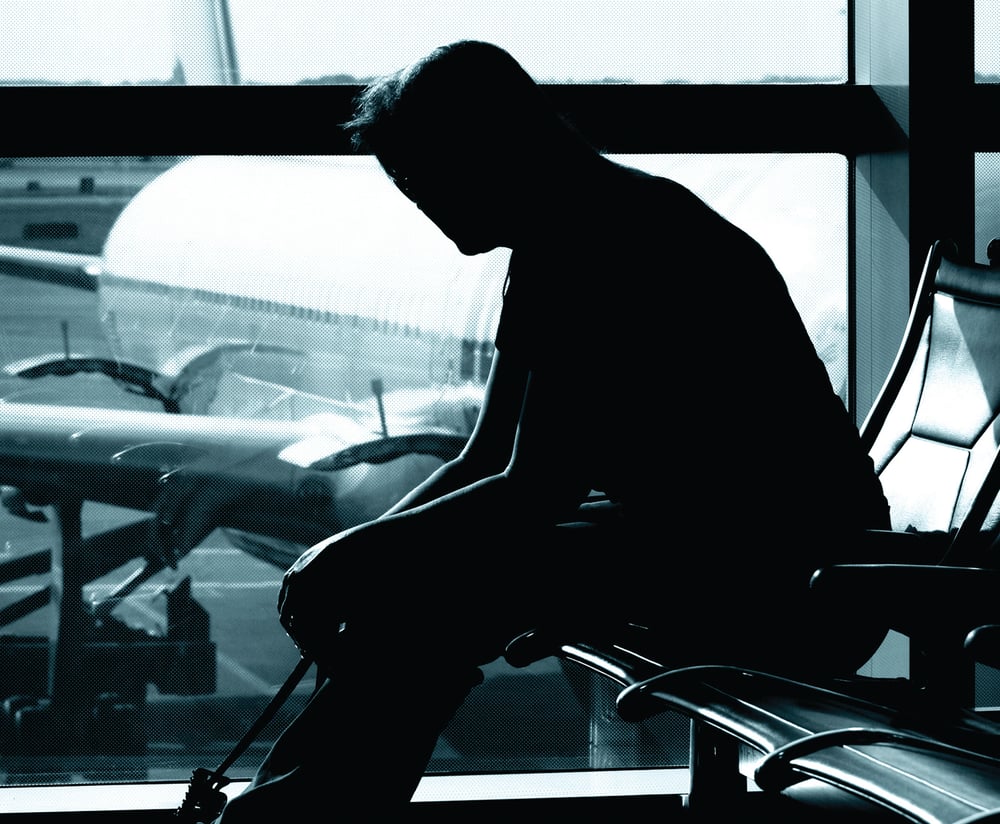
While MMA might seem like a transnational athletic migration, the flight may be the simplest part of the move. When researchers reviewed 13 papers examining athletes who moved between countries, none involved a visa for Dagestan, but the findings still offer clues about what lies beneath the glamorous overseas camp. They found that an athlete’s cultural transitions were shaped by relationships with parents, coaches, teammates and agents. The athlete may collect the passport stamp, but an entire support network often has to handle the emotional baggage. Another study examined Colombian elite athletes living abroad. They described changing their housing and sporting environments to create somewhere that felt comfortable and safe, helping them adjust and perform in the new country. Suddenly, Makhachev’s invitation to Volkanovski to bring his wife and daughters sounds less like casual Dagestani hospitality and more like unexpectedly thorough performance planning. The implications for MMA are obvious, even though fighters were not directly tested. Reaching a famous gym provides access to its coaches and a collection of human anacondas, but the fighter still needs to build a life around training. That may involve unfamiliar routines, new relationships, and family members wondering why everyone has temporarily moved 10,000 kilometers so Dad can have his takedown defense insulted in another language.
“I guess the only crappy thing is when you go to a gym somewhere really far away, like 7-10 hour flights, and don't end up enjoying the training or the environment you're in,” says Lovstad. "Being committed to drilling and sparring with a group you don't really get along with is just the worst. Just as making new friends and laughing over dinner after training can feel euphoric, going back to the hotel by yourself for lack of connection can be the exact opposite. Or you can get injured if you're really unlucky with your new sparring partners. I'd recommend talking to other fighters on one of the many forums or social media to get a proper feel for wherever you're going to minimize risk.”
This shows that booking the flight merely opens the door. Building something resembling a functional life on the other side may determine what the fighter can take from it. Otherwise, they return with several photographs beside a champion, a body clock set to four different continents and exactly the same bad habit that followed them through customs.
“I think that as long as you stay for long enough with a good team and you get along with them, it's hard not to learn new things,” says Lovstad. “I mean, if you're always traveling and you don't actually have some sort of home base, I suppose the danger is that you never really have a professional home and end up being somewhat fragmented. But given that you have enough time to develop your own core style and, in addition, spend a couple of months out of the year traveling, it's all good. Looking back on my career, the traveling and meeting awesome fun people from all kinds of cultures was an amazing experience. And at least for me, it was at the core of what I consider the fighter lifestyle. Very few other sports/jobs give you the same opportunity to hang out in places as different as Rio de Janeiro and St Petersburg. You'll be a better person for having done it and end up with memories for life.”
THE FIGHTING WORLD TOUR
The loyalty-first MMA gym may not be dead, but it is certainly being asked to surrender its passport. The UFC has become a global roadshow, turning once-distant training cultures into familiar parts of the same sport. Fighters increasingly behave like itinerant mercenaries, keeping a home base while raiding the rest of the planet for whatever knowledge appears useful. The destinations have always depended on what MMA believed it was missing. Thailand was once the place to sharpen striking. Brazil offered an advanced degree in submissions, and America’s high altitude Big Bear put more endurance into the elite’s game. Georges St-Pierre provided an early blueprint, keeping Tristar as his home while training in strategy, grappling, and boxing elsewhere. Ian Machado Garry has pushed that approach far enough to make his passport require strength and conditioning, while Volkanovski may soon discover exactly how welcoming Dagestan remains once the hunting finishes and the wrestling begins. The original ronin wandered without an official master. The new masters might be championship gold, money, fame, or relevance. Tomorrow’s fashionable destination will be somewhere else because MMA has always improved by stealing its best ideas from everybody. The smartest fighters will keep traveling, but they will know which lessons require a passport, which uncomfortable truths were waiting at home, and when another international camp is simply the same problem enjoying better scenery.
...