

issue 234
October 2026
From the big boss to the commentary desk, science explains why MMA's toughest competitors keep clashing with those who influence their careers.
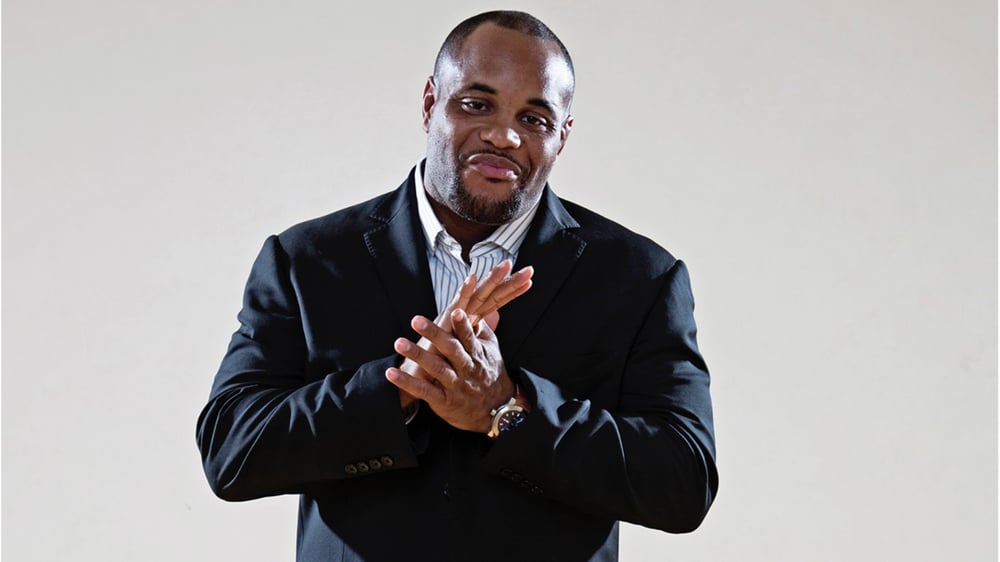
Dominick Reyes knocked out Azamat Murzakanov in under three minutes at UFC 333. After getting paid $325 000 for the night, you’d expect him to be celebrating with a pizza and dessert menu. Instead, he was on social media trying to serve Daniel Cormier a slice of humble pie for calling him a kid. This quickly degraded into a weird tit-for-tat tweet spiral. It’s hardly the first time this year that a fighter has taken issue with the ‘impartial’ words from the commentary desk. Robert Whittaker was defending his waistline after commentators suggested he'd been a little too friendly with the buffet. And undefeated Farid Basharat recently accused Dana White of damaging his rep after the UFC declined to renew his contract. Fighters aren’t big on authority, especially when it's holding a microphone or signing their paychecks. But these petty squabbles are about more than bruised egos and grown men getting precious about words. Psychology suggests humans compete for status through different forms of power, and when those systems collide, things can get personal. Particularly when the person you could probably knock unconscious is the one calling the shots. And as it turns out, science has a few things to say about why the toughest people in the room struggle to take orders.
WHO'S THE DADDY?
To understand MMA’s public power struggles, it helps to understand the corporate world. After all, we've watched the UFC grow from a sport that struggled to get on television into a multibillion-dollar business, now part of TKO Group Holdings, a publicly listed company. Somewhere along the way, the cage-fighting business got itself a corporate wardrobe, shareholders, and a boardroom. Yet beneath all that expensive tailoring, it’s still a very public workplace where employees compete for promotions, bosses control the pay cheques, and the occasional disagreement probably warrants a call to HR. Turns out, there's science behind why we respect a co-worker and fantasize about changing the other's passwords. Researchers looked at the two ways humans climb the social ladder. The first is dominance, where people gain influence through intimidation or making life miserable for anyone who disagrees. The second is prestige, where people earn influence because others genuinely respect their skills, knowledge, or expertise. Both can get you to the top, although prestige tends to make you more popular. Hardly a revelation. Nobody enjoys working for someone who treats a request for annual leave like a personal betrayal. MMA adds another wrinkle because there’s also institutional power. A fighter might be the most dangerous bloke in the building, but the person signing the contracts still decides whether he gets a bonus.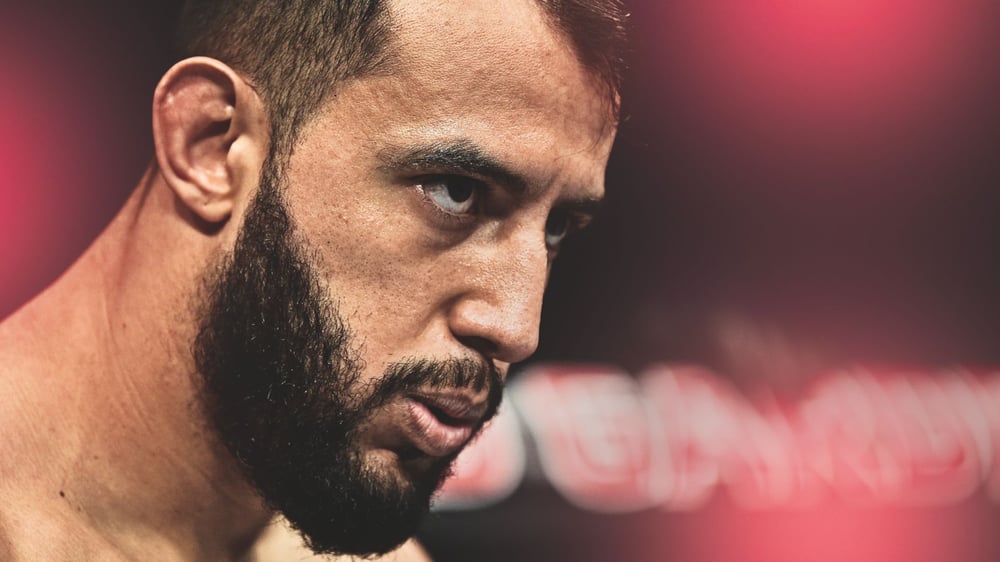
THE PRICE OF DISRESPECT
Nobody enjoys being talked down to. Even less so when it's happening in front of millions of people who can replay your humiliation in slow motion. But there's something particularly interesting about how we respond to criticism depending on who's dishing it out. In a 2002 study published in the Journal of Personality and Social Psychology, researchers examined everyday workplace interactions involving 90 people. They found that when workers felt criticized by someone lower on the pecking order, they were more likely to argue back. When the criticism came from someone above them, they were more likely to back down. Apparently, knowing which side your bread is buttered on is a survival instinct. Now consider Reyes. He's the UFC's No. 4-ranked light heavyweight and a two-time title challenger. So being called ‘kid’ by Cormier was never likely to go down particularly well. Of course, Cormier isn't just some bloke with a microphone. He's a former two-division UFC champion whose opinions carry considerable weight with fans. And that's where things get interesting. Reyes might not answer to Cormier as an employee, but he still has to live with the public perception his commentary helps create. Yet Reyes might have a slightly different view of the corporate hierarchy. Cormier fought Jon Jones twice and never beat him. Reyes fought him once, and plenty of people still reckon he won. By that logic, Reyes might consider himself a rung above DC on the MMA ladder, regardless of what the official records say. Being called 'kid' might feel a bit like getting lectured about your qualifications by someone you reckon you outperformed. Unfortunately for Reyes, the UFC doesn't hand out promotions based on imaginary scorecards, and Cormier still has the mic.
THE FAIRNESS BUSINESS
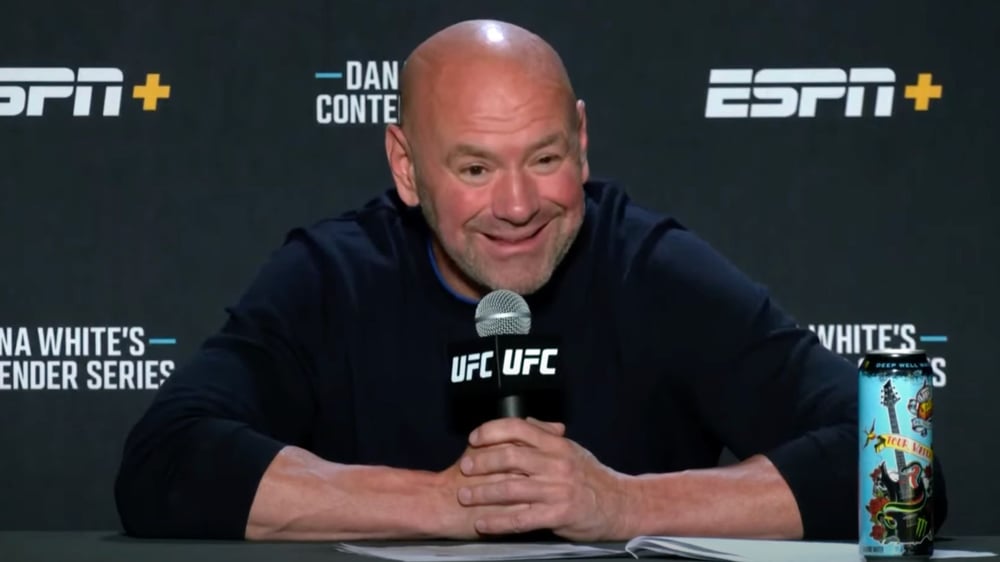
Getting let go is bad enough. Having the boss publicly suggest, in a roundabout way, that you might be a pain in the arse to work with is the kind of career advice nobody asks for. And that brings us back to Farid Basharat. After seven straight UFC wins and a spotless 16-0 pro record, he found himself without a new contract. That’s fine, but Dana White publicly alluded that there was more to the story, which is like giving him a 1-star Yelp review. That kind of fill-in-the-gaps space gets the people going, especially when Basharat denied being difficult to deal with or turning down fights. And there's science behind why this sort of thing gets under people's skin. In 2001, researchers published an analysis of 183 studies about how fairness affects people's attitudes toward their employers. They found workers care about more than the final outcome. How decisions are made, how they're treated, and how those decisions are explained all have important relationships with job satisfaction, commitment, and trust in authority. Essentially, people can accept getting the rough end of the pineapple if they believe they've been treated fairly along the way. For Basharat, losing his UFC contract was one thing. Having the most influential man in MMA potentially turn him into damaged goods was another. We’ll never know if the UFC treated him unfairly, but it helps explain why these disputes become personal. After all, it's hard enough to find another job without your former boss giving you a bad reference in front of the entire industry.
THICK SKIN, THIN PATIENCE
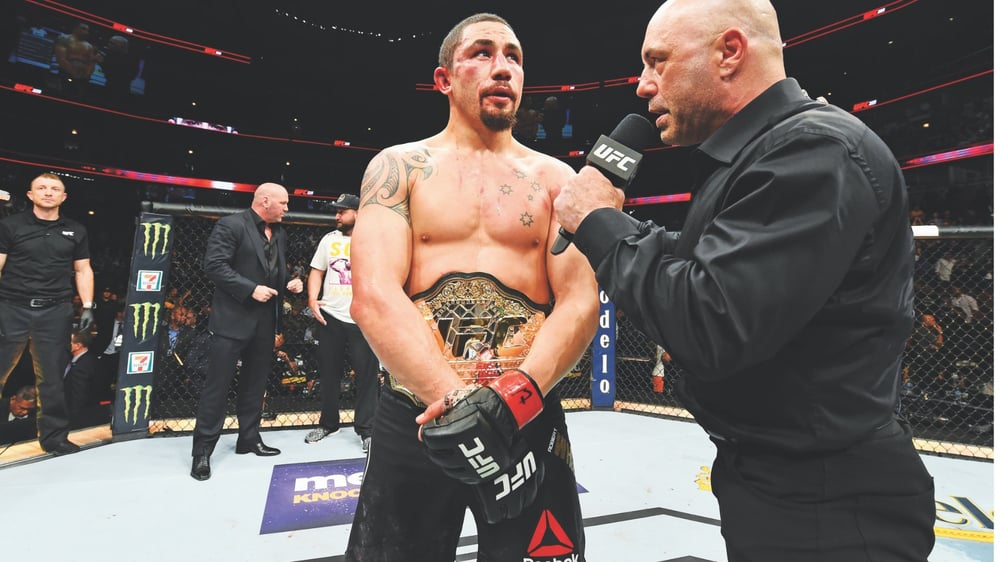
Former UFC middleweight champ Robert Whittaker is tough as coffin nails. You'd think a few comments about his waistline would barely register especially if he’s gone up a weight class. Yet after his July victory over Nikita Krylov at UFC 329, he found himself defending his physique against commentators Joe Rogan and Daniel Cormier, who suggested he'd been a little too generous with the second helpings. You can develop a chin that survives a head kick, but apparently no amount of sparring can prepare you for being called fat. When researchers analyzed 208 lab studies to understand which stressful situations produced the biggest hormonal responses, they found that tasks involving the possibility of being negatively judged by others, particularly when people had little control over the situation, produced some of the largest cortisol responses and longest recovery times. Apparently, the human body isn't particularly fond of being judged while having absolutely no say in the matter. Which is unfortunate, because that describes everything from job interviews to having your mother-in-law inspect your kitchen. Of course, the research doesn't tell us why Whittaker took exception to Rogan's comments, but does suggest that being judged by others can be stressful, even when nobody is throwing punches. This particular disagreement has a surprisingly heartwarming ending. Just over three months after Rogan questioned Whittaker's physique, the Australian appeared on The Joe Rogan Experience for a nearly three-hour conversation. And rather than ignoring the elephant in the room, they discussed how much it weighed. Whittaker explained that he naturally walks around 233 pounds and starts camp at around 227. There was no lingering bad blood. Whether Rogan's invitation was an olive branch or simply good podcasting is anyone's guess. But there you have it. A heartwarming tale of two grown men resolving their differences by sitting down, talking things through and agreeing that not everyone needs the abdominal definition of a Marvel superhero. Somewhere, a couple’s counselor is wiping away a tear. And perhaps that's the real lesson here. Sometimes the best way to settle a disagreement isn't with a punch. It's with a podcast and enough airtime to explain yourself.
KNOW YOUR PLACE
Perhaps MMA's biggest problem is that it recruits people who refuse to back down, then expects them to behave like reasonable employees. These are men who've spent their lives being rewarded for aggression and stubbornness. The trouble is that everyone has a point. Fighters deserve respect. Commentators are paid to give opinions. Promoters have businesses to run. And nobody enjoys being told they're wrong, especially by someone they'd fancy their chances against in a locked room. So you can bet the arguments will continue because it everyone loves beef. Dana will say something controversial. A fighter will take exception. To something someone said. And the internet will spend three days deciding who's the bigger idiot. It's a peculiar workplace where the employees can legally knock each other unconscious, but calling someone fat might require a mediation session. Maybe Reyes and DC are just doing the necessary setup for their next podcast. You can bet we’ll all be tuning in.