

issue 235
November 2026
Ray Klerck investigates whether MMA champions really have more mental toughness than other fighters, or whether knowing when to quit takes bigger balls than fighting on.
Ilia Topuria’s brand was built on invincibility. Seventeen fights. Seventeen wins. His trademarked octagon design with a T and a crown shows a man with enough self-belief to make a narcissist feel underqualified. Then his corner called it off in the fourth round against Gaethje, which Topuria credits as saving his career. Does that add to his toughness? MMA's keyboard warriors finally had something to diagnose him with in between licking the Cheeto dust off their fingers. To some, he lacked heart but didn’t actually quit. His corner did. But the fight game has always had a peculiar relationship with toughness. Tap too quickly, you're soft. Fight through an injury, you're a warrior. Retire with your brain resembling a microwaved avocado, you're a legend. So where does mental toughness end and stupidity begin? And does having more of it actually make you a better fighter? Researchers at Nova Southeastern University recently examined the mental toughness of professional MMA fighters, including champions, and discovered something that might make the sport reconsider its favorite personality trait.
THE SCIENCE OF SUCKING IT UP
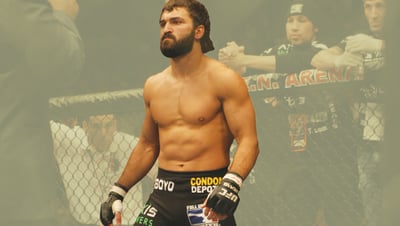
Someone with the dog in them is one of those qualities everyone claims to recognize, but nobody agrees on how to measure it. The researchers at Nova Southeastern University decided to put some numbers behind the chest-beating. Their study examined 40 participants, including 20 professional MMA fighters and 20 physically active individuals. Eight of the fighters were current or former champions. Each completed a 14-question mental toughness assessment measuring three qualities: confidence, constancy (the ability to remain committed to goals), and control over emotions and pressure. The MMA pros averaged 47.40 points compared with 43.15 for the physically active group, which is roughly a 10% advantage for anyone who pulls on the gloves. However, the researchers weren't measuring who could endure the most punishment. Instead, they were measuring how participants rated their own psychological qualities. And when the researchers separated the champions from the other professionals, the results became considerably more surprising.
DO CHAMPS HAVE MORE GRIT?
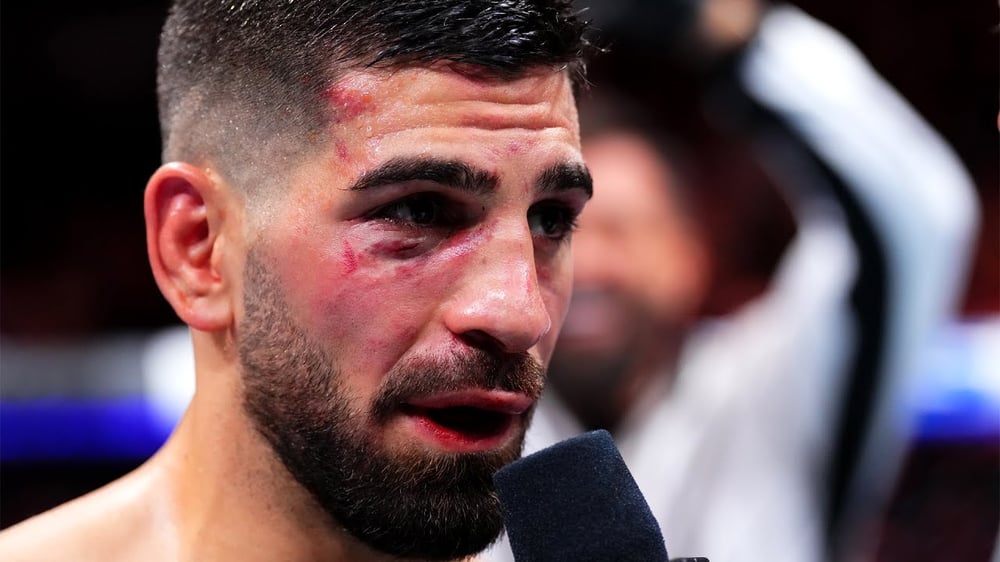
You'd expect the top dogs to have an extra psychological gear, something that separates them from fighters who spend their careers collecting second place. But the eight current or former MMA champions averaged 47.88 on the mental toughness scale, compared with 47.08 for the 12 non-champions. That's a difference of just 0.80 points, which wasn't statistically significant. Apparently, championship belts don't come with an additional set of cerebral cojones. However, with only eight champions involved, the study was too small to plant a flag in the sand about whether the groups genuinely differed. Remember, this is a questionnaire they could fill out themselves, and we’re notoriously poor judges of character when it comes to ourselves. Perhaps the difference between winning a title and watching someone else wear it has less to do with how much suffering you can tolerate and more to do with what you can actually do while suffering.
CONFIDENCE IS A HELL OF A DRUG
If you’ve ever watched a Sean Strickland press conference, you know confidence doesn't necessarily require a close relationship with reality. But the researchers found it was one psychological quality where the pro fighters stood apart. They scored significantly higher in confidence than the physically active participants, while the evidence for differences in constancy and emotional control was less convincing. That distinction matters because believing you can win and keeping your sh** together when you're losing are two very different skills. One gets you through the octagon door. The other might help you make intelligent decisions when someone is trying to punch the mouth guard onto the canvas. However, the study couldn't determine whether fighters develop confidence through years of training and competition or whether naturally confident people are more likely to survive the sport's brutal selection process. It's a chicken-or-the-egg stich up where both are good sources of protein.
CAN'T FLEX WHAT YOU CAN'T MEASURE
You may not always get reliable answers when asking someone who fights for a living to admit they're frightened, insecure, or one bad sparring session away from reconsidering their career choices. Self-report questionnaires measure what people say about themselves, not necessarily how they behave when Gaethje starts throwing leg kicks. The study also had a technical weakness. Its individual psychological measures produced reliability scores between 0.23 and 0.48, well below scientifically acceptable levels. That's like measuring punching power with an arcade boxing machine. You'll get a number, but don't bet your mortgage on it. Interestingly, researchers at Teesside University explored a more anatomical approach to mental toughness: measuring fingers. In a study involving 67 participants, they investigated whether the ratio between index and ring finger lengths, known as 2D:4D, was associated with psychological toughness and sporting achievement. A relatively shorter index finger is said to be a marker of greater prenatal testosterone exposure, and the researchers reported an association with this, mental toughness, and sporting success. Apparently, your hands might reveal more about your psychological makeup than your Instagram captions. However, this was preliminary research, not proof that finger length predicts who'll become a champ. Between questionnaires and knuckles, science still has some work to do before it can accurately measure the size of someone's psychological balls.
THE TOUGHNESS LIABILITY
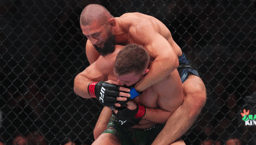
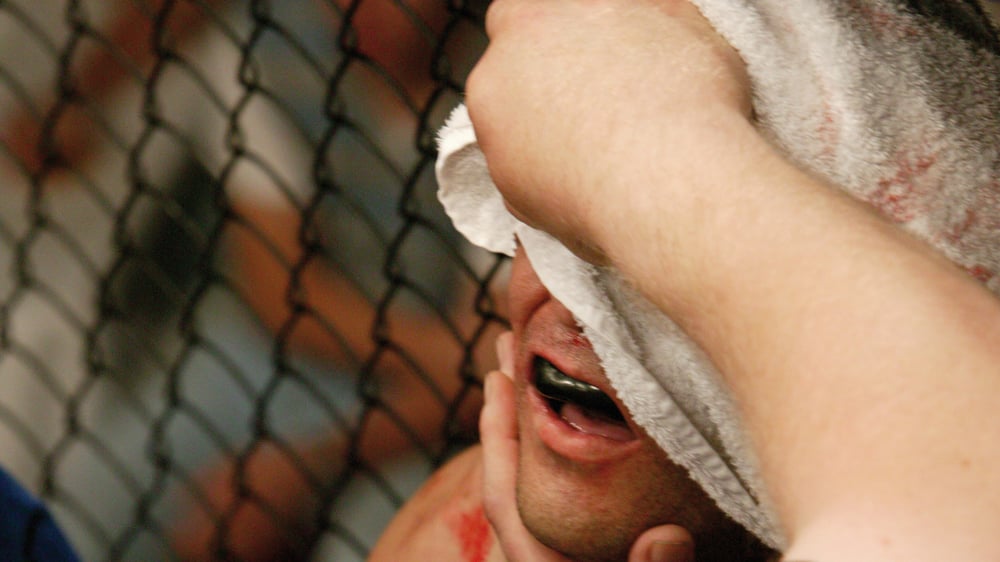
Perhaps the biggest problem with pinning down the warrior mentality is that MMA treats it as an unlimited resource. More is seen as better, even when the sensible option is to stop. But there's a difference between pushing through exhaustion and ignoring an injury that could turn a six-week recovery into a six-month nightmare. A fighter who refuses to tap to a fully extended armbar might have enormous psychological resilience. He might also have the decision-making skills of a moth in a candle factory. The Nova Southeastern study didn't investigate injuries, corner stoppages, or whether toughness encourages dangerous decisions, so it can't really settle that argument. What it does suggest is that professional fighters report greater mental toughness than other fitness buffs, without establishing that champions possess more of it than their peers. Maybe the real competitive advantage isn't an endless appetite for punishment. It's knowing when to endure, when to adapt, and when to let someone else make the call. After all, you can't defend a championship belt with an arm that no longer bends.
GIVE YOUR BRAIN SOME ROADWORK
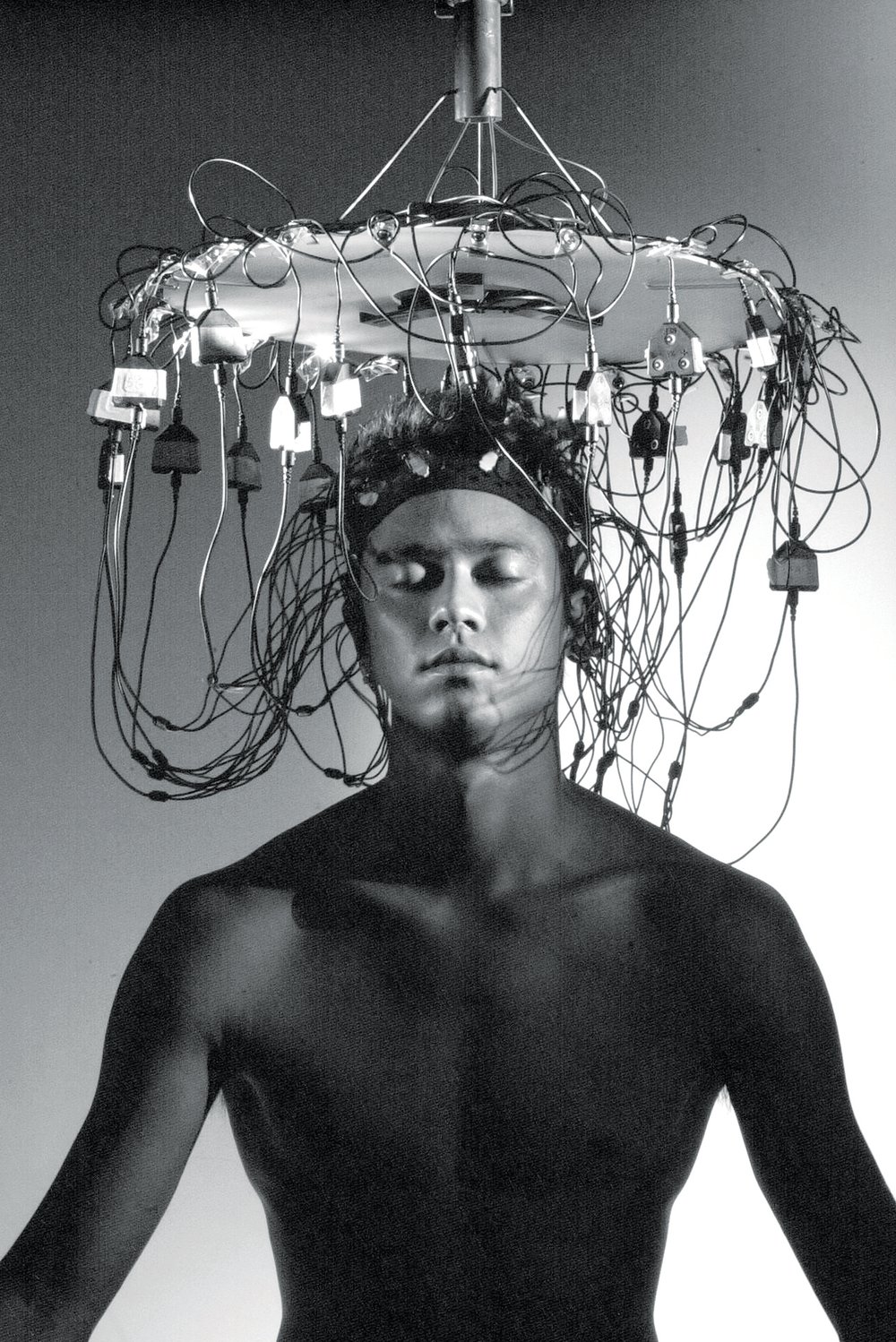
The good news is being tough might be trainable. Researchers at the University of Miami studied 100 college football players during four weeks of grueling preseason training. Half received mindfulness training, while the others practiced relaxation techniques. As the weeks played out, the players generally became more anxious, less positive, and worse at maintaining attention. Players who engaged more consistently with mindfulness exercises showed less deterioration in their ability to concentrate, while greater participation in either program was linked to better emotional well-being. The mindfulness exercises they did included breathing awareness and body scans, with guided sessions lasting around 12 minutes. The researchers didn't prove that meditation makes athletes tougher or better at competing, but they did identify a potentially useful way to protect concentration under sustained pressure. And unlike another five rounds of sparring, this particular training session doesn't require dental insurance.
THE DIFFERENCE BETWEEN GUTS AND BRAINS
Ultimately, mental toughness isn't about having a titanium pair in the locker room. Research suggests professional fighters have more of it than the average gym rat, but champions don't seem to have a magical switch. Perhaps real toughness is knowing when to push through pain and when you're being an idiot with excellent cardio. Which brings us back to Topuria. His corner stopped the fight, potentially saving him from more serious damage and a retirement spent trying to remember his Wi-Fi password. Did that make him mentally weaker? Or was it simply someone recognizing that his brain was worth more than his unbeaten record? After all, there's a fine line between having the heart of a champion and needing someone else to protect the head attached to it. Tough decision to make, and glad he made it so we can enjoy his exploits in 2027.
...