


issue 235
November 2026
Sean Brady's staph infection cost him a UFC main event, but Ray Klerck discovers why some of the biggest infection risks in MMA have nothing to do with dirty mats.
Sean Brady was ranked No. 5 in the UFC welterweight division, with a chance to move closer to a title shot if he beat Gabriel Bonfim. Despite these grand ambitions, a microscopic organism decided it had other plans for his knee. A staph infection left Brady unable to walk, hospitalized for three days, and eventually forced him out of headlining the UFC Vegas 124 main event. Brady tried to reschedule for December, but with the UFC's remaining cards full, he is left hoping for a January return. That's a potentially significant career delay for a contender trying to climb one of MMA's most stacked divisions. Everyone who trains knows the dangers. We’ve bored you with plenty of cautionary tales throughout our pages with solid advice from doctors and dermatologists, which you can bet Brady put into practice daily. But a new, hefty scientific review published in September 2026 says there's a chance the good doctors might have been wrong. Looking specifically at MMA athletes, they’ve plugged some serious knowledge gaps to give us insights into how fighters can reduce their risk of infection.
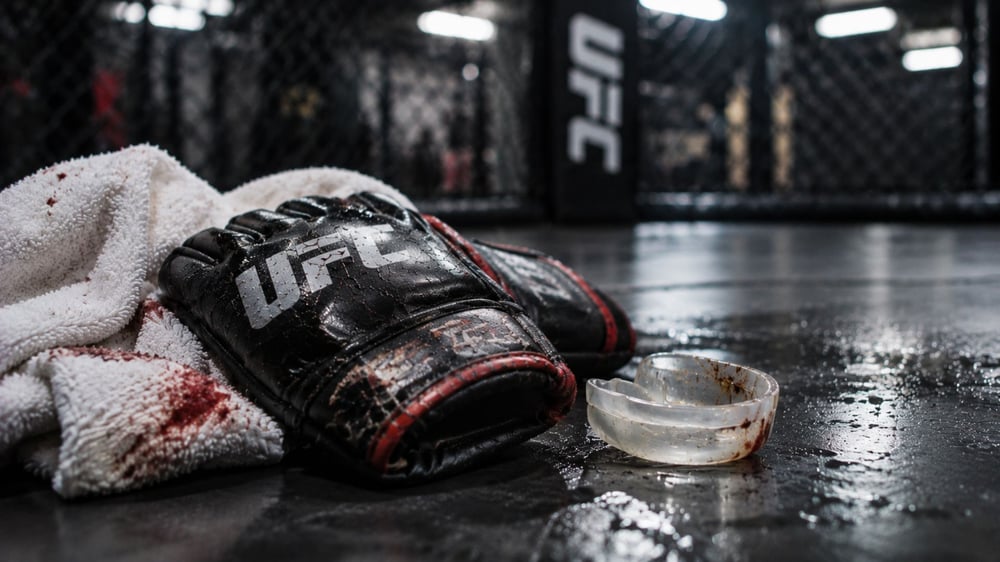
YOUR TRAINING PARTNER IS DIRTIER THAN THE MAT
Every gym knows the mats are an infection hotspot, so cleaning them has become a point of pride for every owner. Creating a barrier between you and them is also the big driver for most of MMA’s training apparel industry. That rashie might be money well spent because the research suggests the bigger threat might be the dude standing next to you. They found that direct skin-to-skin contact is generally the dominant transmission route for several common combat-sport infections, including herpes gladiatorum and ringworm. Mats, towels, and equipment can contribute, particularly with bacterial infections, but they aren't necessarily the main offenders. That's unfortunate when your hobby involves wrapping your legs around another sweaty adult. The practical lesson is to check your skin and avoid anyone sporting suspicious sores, blisters, or unexplained rashes. Clean mats remain essential, but no amount of disinfectant will compensate for repeatedly rolling with someone who should be seeing a doctor instead of attempting a heel hook.

SHAVING COULD BE A SIXFOLD MISTAKE
Most fighters remove enough body hair to make a dolphin feel inadequately groomed. Unfortunately, being a smooth operator could be increasing your risk. The review says shaving your body gives you more than a sixfold increase in the risk of community-associated MRSA, a potentially serious antibiotic-resistant staph infection. Shaving can create tiny breaks in the skin, giving bacteria a chance to get where they shouldn't. Combine those microscopic openings with sweat, friction, and prolonged skin contact, and you've created a bacterial hot box that deserves more attention than your newly aerodynamic chest. You don’t have to roll out the bear rug on your chest. Just hit your fluffy bits with some body hair clippers, which might not give you as tight a shave, but can work wonders for protecting your skin.

YOU CAN BE INFECTED WITHOUT LOOKING INFECTED
One of the more disturbing findings is that a fighter doesn't need to resemble a Walking Dead extra to carry troublesome bacteria. A study involving 223 university athletes and staff found that 34.9% carried MRSA, with the figure reaching 76% among wrestlers. Almost half of the MRSA-positive fighters weren't carrying the bacteria in their nostrils, meaning nasal screening alone would have missed them. Those are striking figures, although they come from a specific university population and may not apply to every MMA gym. More importantly, carrying MRSA isn't the same as having an active infection. Many carriers are perfectly healthy. The problems can arise when bacteria enter damaged skin and cause an infection. It's like having a psychopath who secretly lives in your basement. Perfectly harmless until he finds a way upstairs. This is why covering cuts, cleaning abrasions, practicing good hand hygiene, and avoiding shared towels matter even when everyone looks healthy enough to appear on a supplement advertisement.
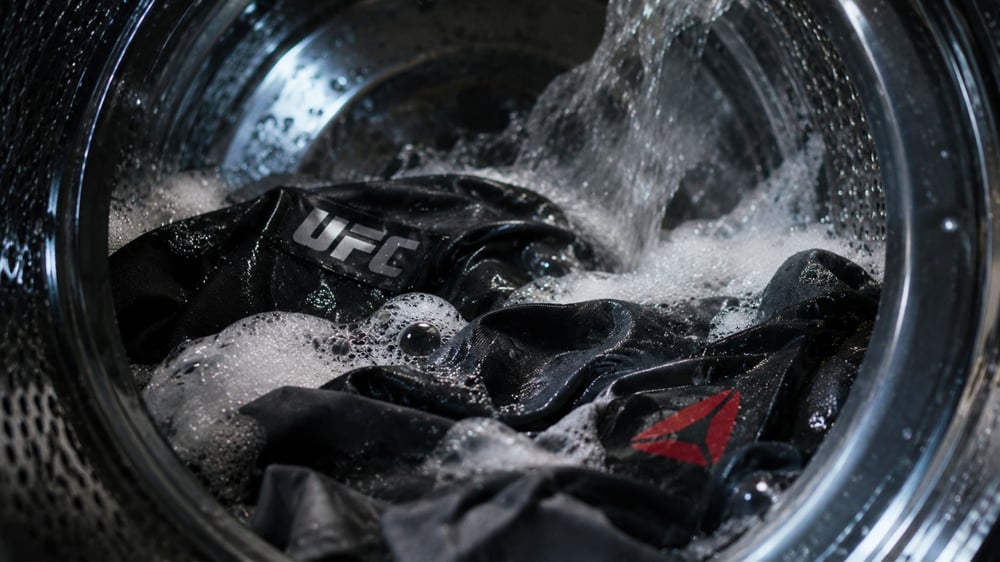
THE MACHINE LET DOWN
If your rash guard smells like something that died during the Bush administration, washing it should already be a priority after each session. But the temperature matters when dealing with certain fungal infections. The review highlights laboratory research investigating how well laundering, heat drying, and freezing eliminate dermatophyte spores, the organisms responsible for infections such as ringworm. Washing contaminated fabrics at 140°F (60°C) reliably eliminated the tested fungi, while washing at 104°F (40°C), tumble-drying, and even freezing at minus -4°F (20°C) failed to do so consistently. This doesn’t speak to every infectious organism in a gym, just the ones they tested. Set that wash cycle to as hot as you can get it, provided the fabric can take the heat. Follow the garment's care instructions and seek appropriate advice for known contamination. And whatever you do, don't leave your sweaty training gear fermenting in your gym bag until the next session. By then, you may be cultivating something capable of applying for its own gym membership.
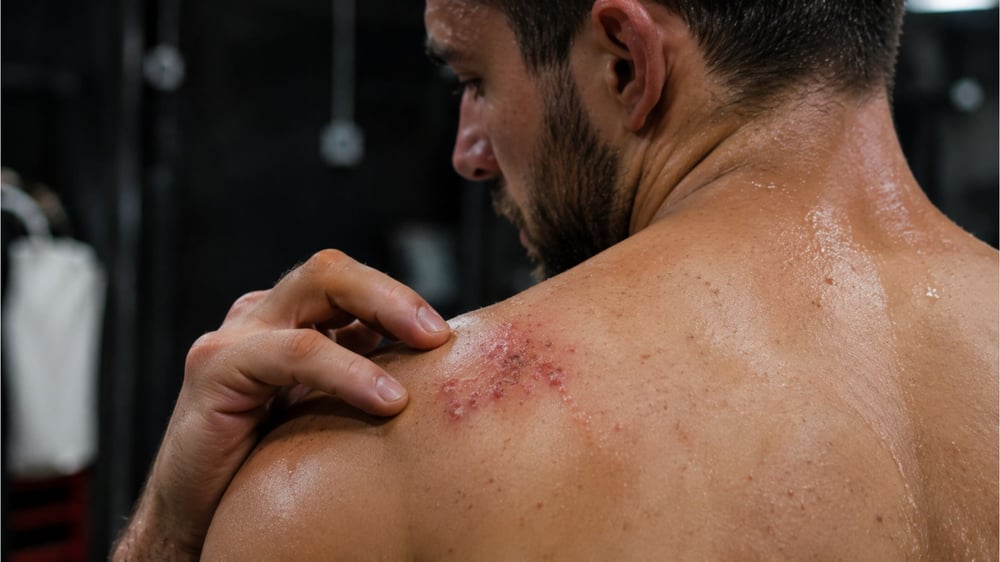
THE MOST DANGEROUS RASH
Fighters are accustomed to diagnosing injuries themselves. A swollen knee or damaged rib is just something to train through. Skin infections deserve way less optimism. The review describes research in which more than 90% of herpes gladiatorum cases were initially misdiagnosed. That's particularly concerning because herpes, bacterial infections, and fungal infections require different treatments. An early herpes outbreak can resemble other skin conditions, especially when blisters have been rubbed away during grappling. Treating the wrong problem can delay recovery and allow infections to spread. Brady's experience provides a particularly sobering reminder. His knee became so painful and swollen that he could barely walk, and hospital doctors performed investigations, including collecting fluid from the joint area, to identify the infection. For ordinary gym rashes, the lesson is not to use ChatGPT to diagnose it or borrow someone else's medication. Get suspicious lesions assessed, and don't return to contact training until medically cleared.
CLEANING UP YOUR ACT
There's one more finding worth considering before you begin disinfecting everything you own, including your children. The review describes a hygiene program across high-school and collegiate athletic training rooms that reduced measured bacterial contamination by 94.7%. The program combined disinfectants, cleaning procedures, and education, with the biggest improvements arriving after people learned how to use the equipment and follow the protocols properly. Importantly, the study measured contamination on surfaces, not a 94.7% reduction in actual infections. Nevertheless, it shows that having cleaning products available is considerably less useful than consistently using them. The big takeaway is that infection prevention requires cooperation from everyone in the gym. Shower after training. Wash your gear. Cover minor wounds. Report suspicious skin changes and stay off the mats when you might be contagious. None of those habits will improve your striking accuracy or takedown defense in the short term, but they could protect the long-term training hours needed to be a better fighter. Sean Brady shows us that even elite fighters aren't immune to microscopic opponents. And unlike an opponent, these ones don't give you a chance to tap.
...