

issue 235
November 2026
What the last two years of fresh MMA research reveal about repeat knockouts, hidden injuries, and when a fighter's brain is ready for another round.
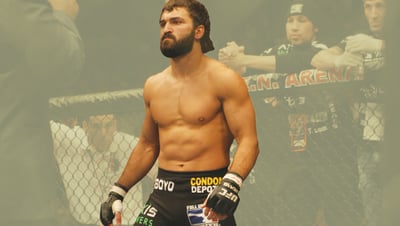
Israel Adesanya has made a career out of flipping his opponent’s lights off. With 16 KO/TKO victories and just three defeats by the same method, he’s spent most of his gloved-up career on the right side of the light switch. Since losing the title, though, he’s been fumbling in the dark, with his last two KOs coming in his two most recent bouts. He’s now prepping to return against Shara Magomedov on December 5, raising a question that no amount of inspirational Instagram posts can answer: when is a fighter's brain genuinely ready to go again? It's a question Jim Miller might also be considering after Terrance McKinney stopped the 43-year-old UFC vet in the opening round at UFC 334. This leaves us with one fighter preparing to return, while the other is beginning the journey back from a fresh knockout. Fortunately, science has offered fresh investigations on both ends of this unpleasant transaction. It could not be timelier, considering Irish boxer Lee Reeves recently passed away 3 months after getting knocked out. Three recent studies have examined repeat knockout risks, injuries that escape immediate medical documentation, and why completing a mandatory suspension isn't the same as being medically ready to fight. Their findings suggest there's considerably more to a post-KO comeback than waiting for the six months on the calendar to give you permission.
THE ODDS AREN'T IN YOUR HEAD
Sure, Adesanya was ‘slept’ in his last two fights, but is that just rotten luck or the beginning of a worrying pattern? According to a 2026 study, consecutive knockouts are more common than fighters might like to believe. The researchers examined 705 UFC athletes who suffered a KO/TKO defeat between January 2015 and December 2023 and subsequently returned to compete. Of those fighters, 22.7% lost their next bout by KO/TKO. That's nearly one in four returning to the dressing room with a rather unpleasant sense of déjà vu. They looked at several possible explanations, including age, sex, weight class, and previous knockout history. Older fighters, men, and those in heavier divisions showed differences in the initial comparisons. However, once the researchers adjusted for other factors, previous KO/TKO history was the only independent predictor of another consecutive stoppage defeat. That doesn't mean that Adesanya is destined to become Magomedov’s highlight reel. Still, Adesanya's 16 career KO/TKO victories tell us plenty about his ability to finish opponents. However, they tell us considerably less about his own vulnerability after consecutive stoppage losses. And that's where the science becomes rather less comforting than a fighter's assurances that he's feeling better than ever.
WHAT THE DOCTOR DOESN'T SEE
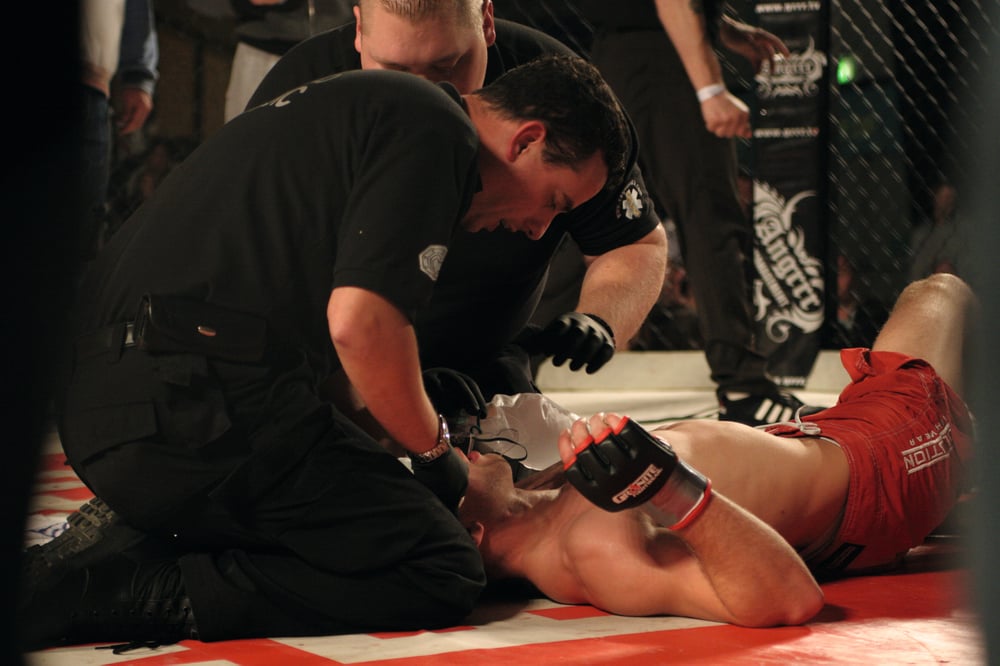
Jim Miller’s recent first-round KO ended in front of thousands of spectators, a referee and a ringside physician. But what happens when the medical examination is over, everyone goes home, and the injuries start to show? Another 2026 study looked at that uncomfortable gap between what ringside doctors document immediately after a fight and what athletes report seven days later. They reviewed injuries from 250 post-fight reports across 29 MMA, Muay Thai, and boxing events in Western Australia. A week after fighting, 39% of the reports included injuries, yet ringside doctors had recorded medical concerns in just 10% of cases.
More worryingly, 78% of the injuries that fighters said were serious enough to stop them training hadn't been recorded by ringside doctors immediately after their fights. Now, that does not mean that the upside-down Australian ringside doctors missed 78% of concussions. The study covered all kinds of injuries, and some symptoms may only have become apparent after the event. But it exposes a rather inconvenient problem: a fighter can walk away from a post-fight examination with little documented concern and discover days later that their brain has a much longer list of complaints. For fighters like Miller, and anyone else recovering from a stoppage, the lesson isn't that ringside doctors are doing a bad job. It might be that the medical community’s protocols haven’t caught up with the fight game.
SUSPENSIONS ENDS BUT DAMAGE DOESN'T
A fighter can serve a medical suspension, get the paperwork signed, and return to training. Unfortunately, the brain doesn't own a calendar. And according to a November 2026 scientific review, being allowed to fight again isn't necessarily the same as being physically ready. The researchers were concerned that mandatory suspensions measure how much time has passed, not whether a fighter has fully recovered. They proposed three checks before returning to competition: medical clearance for activities that risk head impacts, completion of the required no-contact period, and a gradual return to training before final approval to fight. In other words, the suspension ending should be the start of a conversation, not the end of one. For Adesanya, that distinction matters more than any motivational speech about bouncing back. His next opponent won't be checking how many days have passed since his last knockout. He'll be trying to deliver another one. Look, the researchers' proposed system hasn't been validated yet, but it raises a question every fighter should be asking: just because you're legally allowed to take another punch, does that mean you're medically ready for one?

OTHER SPORTS DON'T JUST WATCH THE CLOCK
MMA has some of the world’s best medical safeguards after a knockout, but rugby and the NFL take things further by seeking evidence that the brain is working properly again. A reasonable request for an organ that doesn't come with a replacement warranty. World Rugby uses three head injury assessments for suspected concussions: immediately after the incident, within three hours of the match, and again 36–48 hours later. This is because they know concussion symptoms don't always arrive on time. Some prefer to make a grand entrance once the player has gone home, eaten pizza, and started wondering why the fridge light is giving them a headache. The NFL takes a similar approach. Players with suspected concussions undergo follow-up examinations and must work through five stages of increasingly demanding activity before returning to play. They also need clearance from both their team doctor and an independent neurological consultant. In other words, feeling fine isn't enough. Someone who isn't on the payroll has to agree. Neither system is perfect, but both recognize something MMA could learn from: passing a medical examination immediately after a head impact doesn't guarantee you'll still be symptom-free two days later. For Adesanya, Miller and every other fighter returning from a stoppage, the question shouldn't simply be whether they've served their time. It's whether their recovery has been properly assessed before someone starts punching them in the head again. While the ref can tell you when a fight is over, knowing when the damage is over is considerably more complicated. To its credit, the UFC has invested in medical oversight, athlete health and research, and the sport is better for it. But MMA will never be risk-free, and no one should pretend otherwise. Tour de France cyclists don't fly down Alpine mountains at 60 miles per hour on one-inch wheels because they've been promised a soft landing. They understand the risks and choose to race anyway. Every fighter makes that same personal calculation every time they put on the gloves. The job of science isn't to take that choice away. It's to make sure they understand what they're signing up for, particularly when the organ doing the signing has already taken a few knocks.