

issue 235
November 2026
Former pro MMA fighter Jakob Sverre Løvstad, who has a master’s in clinical psychology, explains why you leave the gym feeling better and how to get more out of the time you spend there.
I can’t count how many times I’ve heard fighters call MMA training therapy. As a former pro fighter who also worked as a therapist, I find that a little funny. Wrapping my hands and pulling on gloves brings up very different associations from settling into a deep, soft chair and asking, “How do you feel about that?” In the gym, people tend to tell you without being asked. There’s a line in the Brad Pitt movie Fight Club that gets at what fighters mean.
“When the fight was over, nothing was solved, but nothing mattered.”
Anyone who’s walked into the gym in a foul mood and left wondering what they’d been so pissed off about knows the feeling. The thing that bothered you is probably still waiting in the parking lot. It just seems to have lost some of its authority. So, what happened in there? Did you get something out of training, or did you spend an hour too busy to think about your problems? And if it did help, how do you get more of that out of the sessions you’re already doing?
THE WORKOUT IS PART OF IT
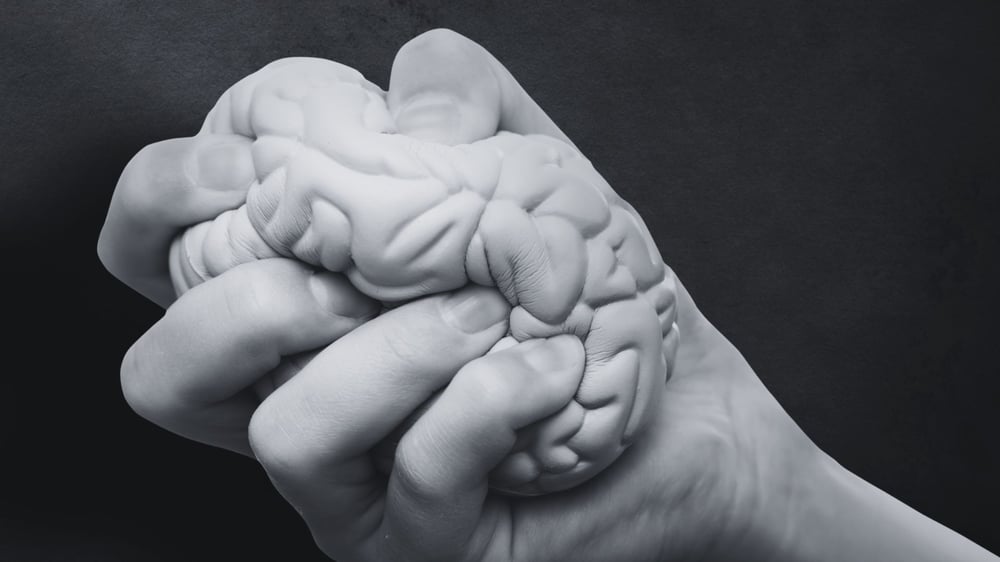
Start with the obvious. MMA is very hard physical exercise. In 2024, research that looked at 218 studies involving more than 14,000 people found that several kinds of exercise, including walking or jogging and strength training, reduced symptoms of depression. The more vigorous the exercise, the bigger the effects, although the researchers had limited confidence in the estimates. Those studies give us good reason to take exercise seriously. They leave the question of what’s special about MMA wide open. If you want to know what training does for your mood, check it at three points over your next few sessions. How do you feel walking in? How do you feel walking out? How do you feel the next morning? A hard round might take the edge off a bad day. A technical session might leave you feeling just as good, with enough energy left to be decent company at dinner. If there’s a pattern, it might tell you what kind of session to pick the next time you walk in already fried. You can get a hard workout alone on an assault bike. But the bike has never texted to ask where you’ve been.
THE PEOPLE IN YOUR CORNER
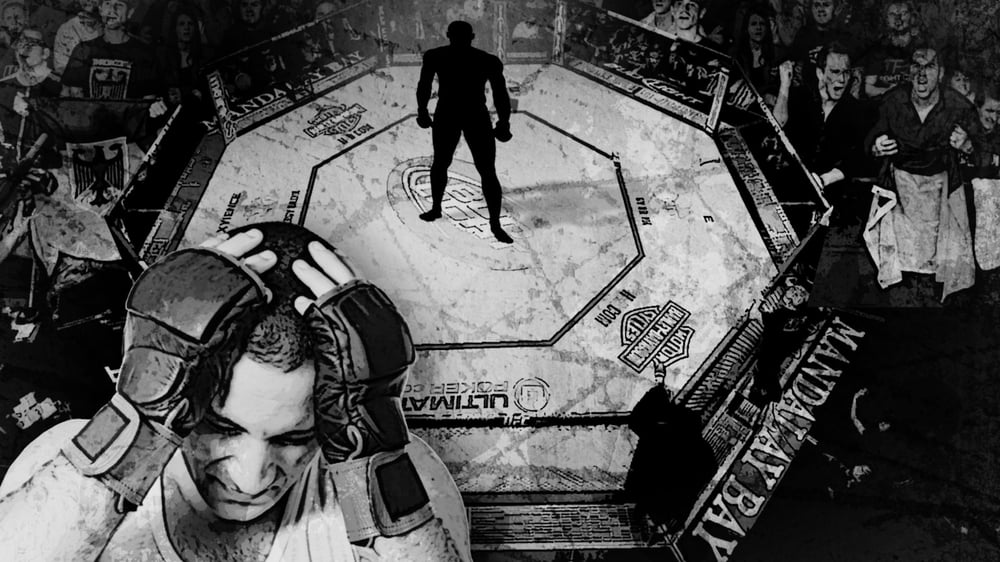
For all the intervals and lifting fighters do alone, most MMA practice happens in a group. A good training partner knows when to push you, when to ease off, and when you need someone to say, “See you Thursday.” You spend enough time looking after each other in rounds, and it becomes fairly natural to look after each other outside them, too. There’s research on this kind of trust from a very different setting. In a study of more than 4,600 U.S. Army soldiers, those who felt closer to their units before deployment had lower odds of several mental health problems afterward, including PTSD, depression, and generalized anxiety. Another study of soldiers found that stronger bonds between peers were linked to less severe effects of combat exposure on some measures. A 2026 review of recreational team sports found some improvements in mood and anxiety, with results varying across programs. None of this tells us whether an MMA gym does more for you than a soccer team. It does give us a reason to look closely at who’s in the room and how they treat each other. Fighters call their gym a family. And you can get a pretty good read on that claim by seeing who still gets invited to dinner three weeks after they pull out of a fight. You can also see it in smaller things. Can you ask for a lighter round without having to submit a doctor’s note and a character reference? Does anyone check in when a regular disappears for two weeks? If you want more of that from your gym, pick a class you can make regularly. Take the time to learn a few names, and be the person who texts when somebody’s been missing. You can start with, “You coming Thursday?”
BETTER AT UNCOMFORTABLE
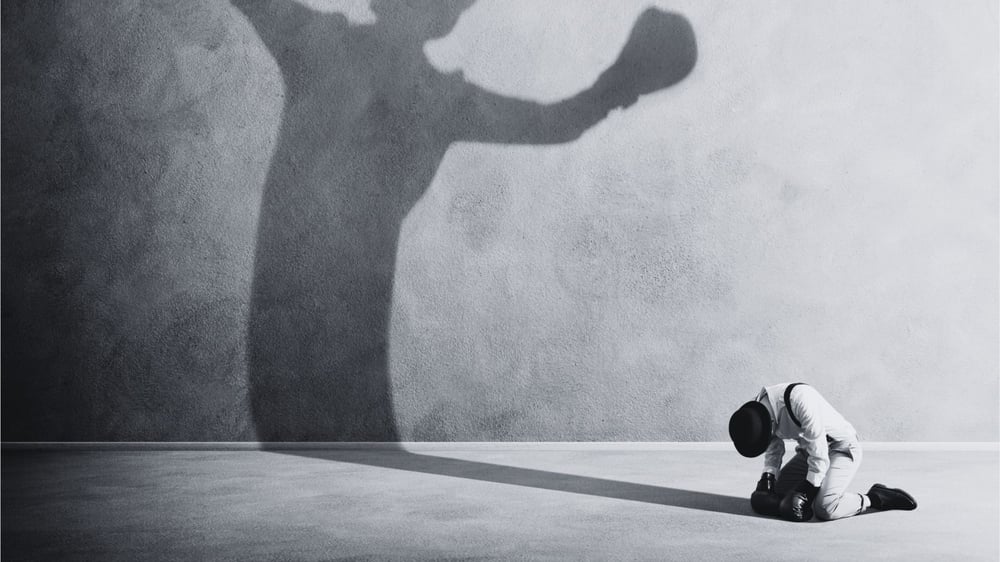
One thing I value about MMA is that you get lots of chances to feel under pressure and still make a decision. Early on, when you first start training, a bad position can feel like an emergency. A few years in, you can find yourself in that same position and have enough composure to think about what happens next. Whether that makes you more patient when your train gets canceled is another question. Some of the calmest grapplers I know still have plenty to say about public transportation. In a 2025 study of 420 Brazilian jiu-jitsu athletes, black belts reported more resilience, better self-control, and greater life satisfaction than white belts. The researchers surveyed people at different ranks at one point in time. Maybe years on the mat helped develop those qualities. Maybe people who already had some of them were more inclined to stick around long enough to earn a black belt. Anyone who’s watched a white-belt class get smaller by February can see how both might be true. A 2024 review of 72 martial arts and combat sports studies found more consistent links with two specific skills. Practitioners tended to do better at picking up relevant cues and suppressing an automatic response. Think of the difference between seeing a feint and falling for it. Most of the studies compared people at a single point in time, so how much training itself changes those abilities is still up for debate. If you want to work on composure, give yourself something specific to notice in your next technical round. Maybe every time you get pinned, you hold your breath and try to do three things at once. See if you can catch that first reaction a little earlier. You might still spend most of the round underneath somebody. You’ll come away knowing something about what you do under pressure, which is more interesting than keeping a private mental tally of who won Tuesday night.
SO IS IT THERAPY?
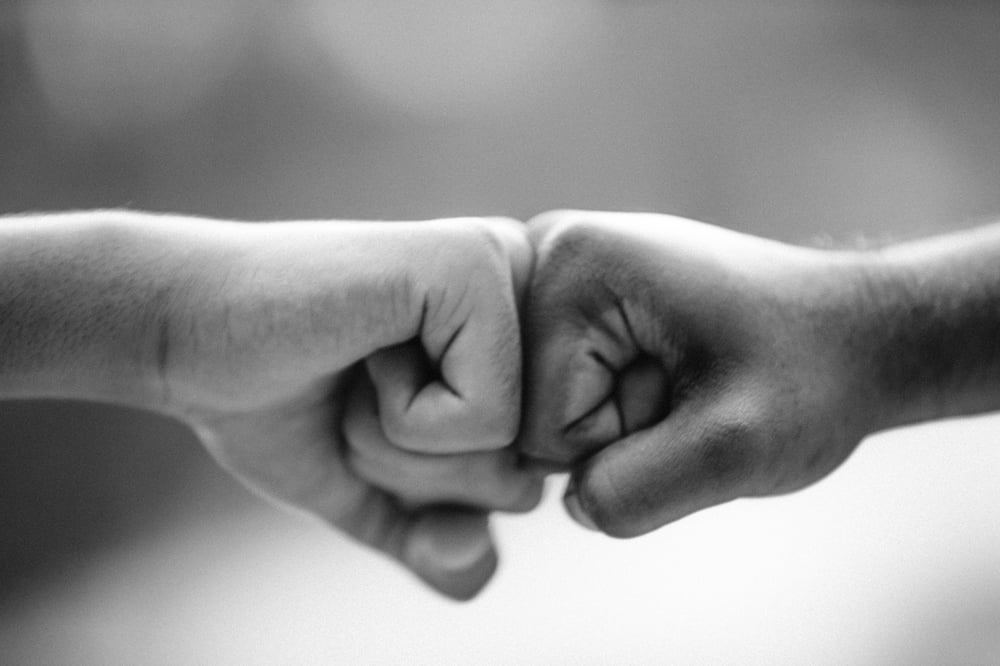
I understand why fighters call it that. A good gym gives you a place to work hard, people who notice when you’ve gone quiet, and regular practice at being uncomfortable without making the situation worse. That’s a pretty good deal for an hour on a Thursday. I’d also pay attention to what happens after the hour is up. If training clears your head enough to have the conversation you’ve been putting off, have it. If the same thing keeps weighing on you between sessions and it’s getting in the way of daily life, bring it up with a mental health professional. Psychotherapy has evidence behind it as a treatment for depression, and there’s room in the same week for a session with a therapist and a round with your favorite heavyweight. For the ordinary bullsh** life throws at all of us, I still like the gym. I might leave with exactly the same problems I came in with, but by the time I take my gloves off, I’m usually in a better mood to deal with them. Some nights, that’s exactly what I needed.
...