

issue 235
November 2026
Ahead of his BMF title fight, we went through Diego Lopes’ interviews in Portuguese, Spanish, and English to meet the guy his teammates and the rest of the non-English-speaking world know.
Barriers! They’re the guardrails on the edge of roads. The velvet rope that can make a nightclub seem impenetrable. The food shield that keeps your buffet mac and cheese germ-free. But the most unforgiving kind is the language barrier. It can leave you knowing exactly what Diego Lopes did for 15 minutes with his gloves on and have no idea what it’d be like to kick back with him at dinner. You think you might get to know him in the post-fight interview, but while he’s trying to listen through a ringing eardrum, we’d like him to tell us what this latest fight moment means to him. Spend some time with a relaxed version of Lopes in interviews he’s done in his native tongue, and you start to get a real sense of who he is as a person. You hear what gets him laughing, what he takes seriously, and how he talks to people who knew him before anyone wanted a prediction. That’s the Diego Lopes we wanted to get to know, because we believe we might like him even more than we already do as we dip under the velvet rope and pull up a spot before the bouncer realizes.
HE SAID YES FIRST
To give you an idea of how fearless Diego Lopes is, he once accepted a job teaching jiu-jitsu in a country he couldn’t even place on a map.
“I didn’t even know where Mexico was,” he said on UFC Connected. “I had no idea what language they spoke.”
All he knew was that they wanted him to teach, and that was enough to book a flight. And in case you missed it in the previous edition of Fighters Only, here’s the short version of how he got there. Lopes grew up in Manaus, a city in the heart of the Brazilian Amazon; started jiu-jitsu at five; taught at his dad’s gym; and made his MMA debut at 17. He was already fighting professionally in São Paulo when his coach heard that a gym in Mexico was looking for jiu-jitsu instructors. Nobody else on the team seemed interested, so Lopes put his hand up and moved to Mexico in 2015. Sure, he knew his way around a mat better than most, but this was a chance to explain what he was doing to a room full of students in Playa del Carmen, Mexico. Fortunately, you can demonstrate an armbar in any language, but a little vocabulary helps.
“That forced me to learn Spanish very quickly,” he said on UFC Connected, and it is a testament to his willingness to learn and stretch himself.
He made the most of his time there, going on to win titles in three Mexican MMA promotions before he ever fought in the UFC. After losing his UFC debut, he finished Gavin Tucker, Pat Sabatini, and Sodiq Yusuff in a combined four minutes and 37 seconds. A time waster, he is not.
THE GUY WHO STAYED
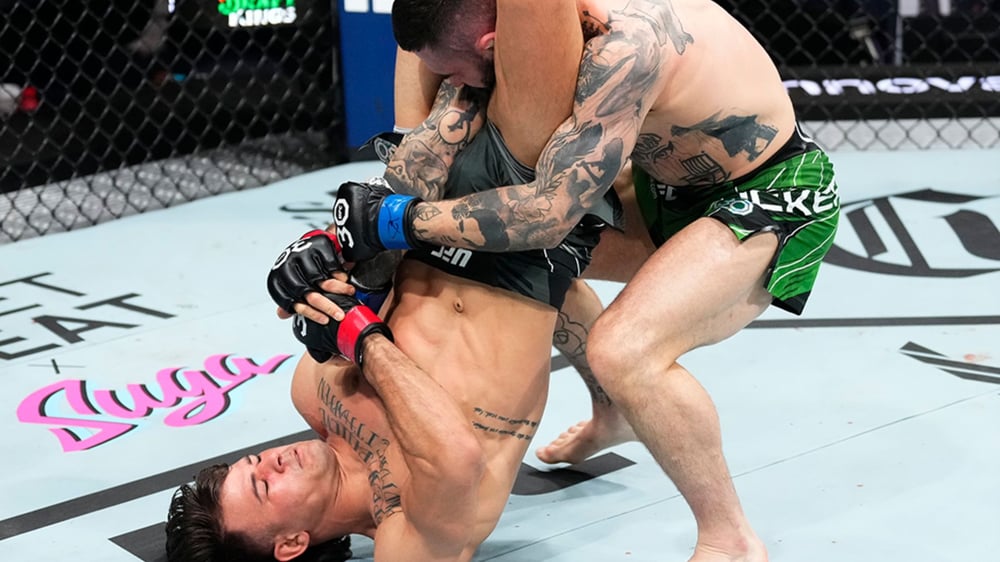
Next came the UFC run that made Diego Lopes the anytime-anywhere guy the fans love. At UFC 303, he was supposed to fight Brian Ortega at 145 pounds. By Friday morning, they’d agreed on 155. By Saturday, Ortega was out sick, and Lopes was fighting Dan Ige at 165. Lopes won a unanimous decision, then beat Ortega three months later at UFC 306. The thing is, Lopes had been dealing with last-minute changes long before the UFC. Years earlier, in Mexico, he’d been the guy who had to pull out of a bout due to injury during his stint teaching jiu-jitsu. The promoters asked if he knew another Brazilian who could fill in, and a few guys at his gym suggested Alessandro Costa.
“So I went on Facebook, looked up Alessandro’s name, and sent him a message,” Lopes told Diego Ribas on Direto de Vegas. As Lopes remembers it, Costa had one question: How much are they paying? That’s fair enough when a stranger on Facebook had just asked him to go to work wearing his jocks. Costa took the fight, and the two became friends. When Lopes was ready to leave Playa del Carmen, Costa had friends in other Mexican cities he could’ve stayed with, but he chose to move with Lopes to Puebla, inland and southeast of Mexico City.
“I didn’t know anyone, and he didn’t go with his friends. He stayed with me,” Lopes said on the JAXXON Podcast, smiling. In Puebla, they wound up living in a shower-less gym where a bucket was the only bath they got to soothe their daily hustle. To give you an indication of these Ronin warrior-like times, a friend in that gym once raffled off a rash guard to help Lopes get to a grappling tournament. The money was enough to cover one round-trip ticket. Instead, Lopes bought two one-way tickets so Costa could come, which meant he’d have to win to get them both home. In the end, he won five matches, four by submission. It was a hell of a way to save on a return fare. Costa is now one of Lopes’ main training partners, and when Lopes stopped Steve Garcia at the White House, he credited Costa’s cornering advice. A month later, Lopes was in Costa’s corner against Cody Durden at UFC 329, which shows how they’ve formed a team. And it all started with a stranger reaching out on Facebook.
AN OCTAGON OFF THE KITCHEN
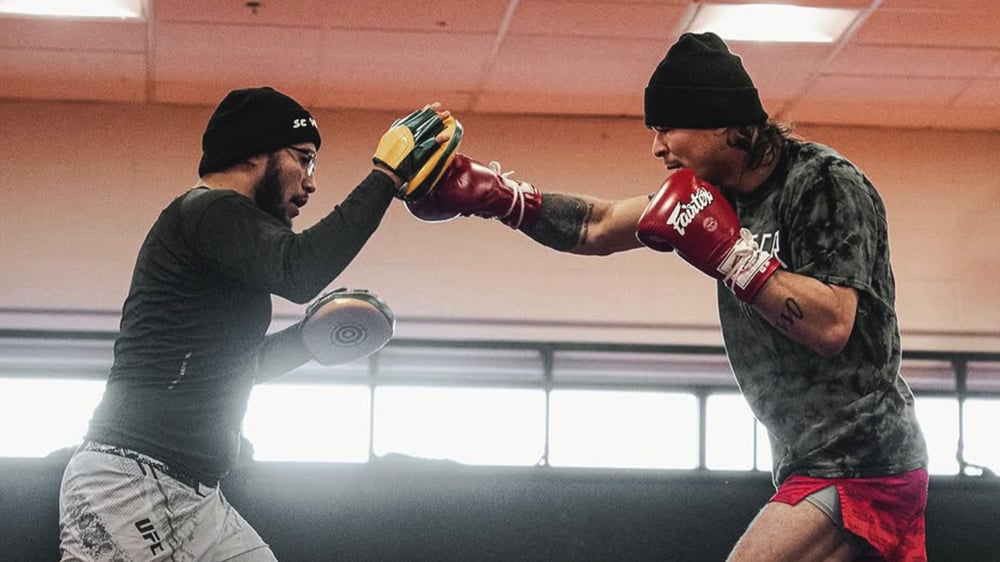
By the time Diego Lopes was preparing to fight Steve Garcia at the White House, he’d upgraded from the bucket showers to the American way of life. Lopes told Bia Galev on Brazil’s Olhar da Luta show that his friend Guedes had offered him a place to stay on his Oklahoma farm. There was a kitchen, a couple of bedrooms, and some space out back. Lopes asked if he could put down some mats. Guedes said there was room.
“If there’s room for mats, there’s room for an Octagon,” Lopes recalled telling him on Olhar da Luta. So, he bought one and set it up. Some people bring a bottle of red wine when they stay at a friend’s place. Diego brought an Octagon. He spent his mornings wrestling at the university and his afternoons training with his team at the farm. He wanted everyone there together. He’d tried a version of it in Puebla before fighting Jean Silva, setting up a private space for the team to train. After hearing him talk about those early years in Mexico, you can see why he’d care about where his people sleep, eat, and work. He remembers what it was like to get by on whatever space somebody could spare. Now he can give his team a place where the whole day revolves around getting better. And even today he’s getting pickier about what better looks like.
“It’s no longer just going out there and throwing down to see what happens. Now everything’s a little smarter,” Lopes told Galev on Olhar da Luta.
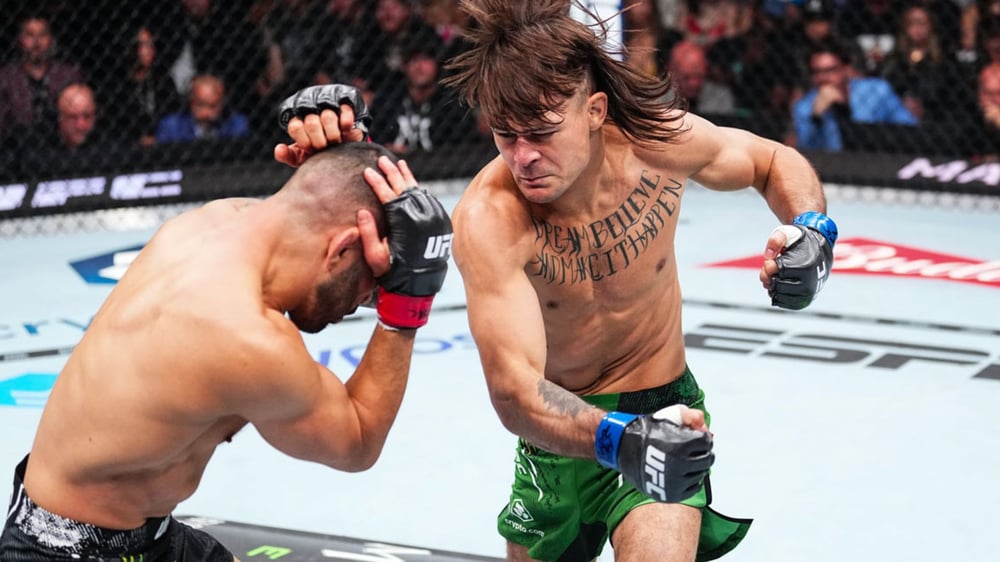
This is a guy who finished three UFC opponents in less than a round’s worth of Octagon time and still goes home wondering whether his jab can put on more of a show.
HE HAD A SECOND SHIFT
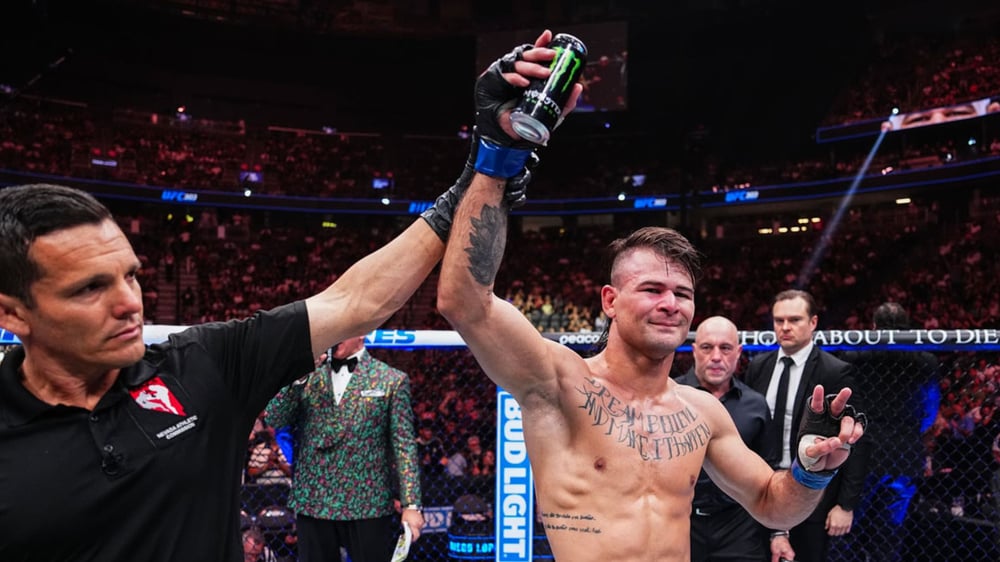
Diego is the kind of person who seems willing to move mountains for those close to him. At UFC 306, Diego Lopes had one small scheduling problem. Brian Ortega was booked for the same night he was working Alexa Grasso’s corner. He told MMA Fighting he’d have been happy to open the card if it gave him more time to get back out for her. Some fighters would take that as a demotion. Lopes saw it as time to get his shirt back on. He’d already been in Grasso’s corner when she took the flyweight belt from Valentina Shevchenko at UFC 285, two months before he made his own UFC debut. When Shevchenko missed a spinning kick, Grasso took her back and choked her out. There’s footage of Grasso drilling that exact sequence in the locker room. How many times had they gone over it by then?
“We could say that easily hundreds, actually thousands of times,” Lopes told MMA Junkie in Spanish. They’d work it before and after hard training. By fight night, even the last rehearsal was starting to look like an old habit.
At the Sphere, Lopes beat Ortega over three rounds, then went back to the corner to prepare for the trilogy fight. Shevchenko took the belt back, but by the time Lopes got to the press conference, he’d had one of the biggest wins of his career and still hadn’t had a chance to talk to Grasso.
“I really want to support everyone from my team, so I made sure I wanted to be there for Alexa,” he said at the UFC 306 post-fight press conference.
He told reporters he was looking forward to speaking with her once his media duties were done. He’d gotten through the fight, the corner work, and the questions, and still had a teammate to go see, which shows his unbridled loyalty to everyone in his orbit.
HAT OFF BUT THE MULLET STAYS
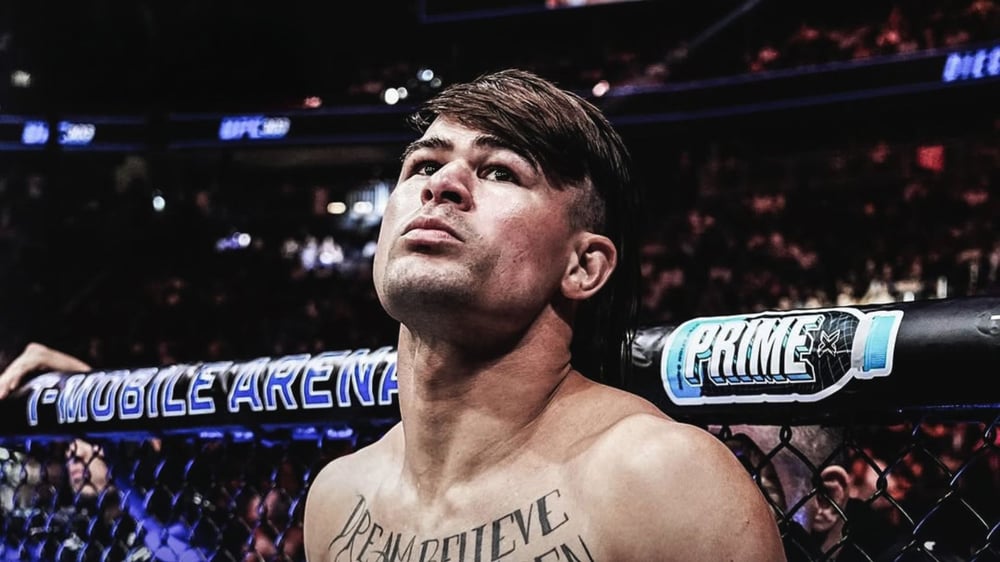
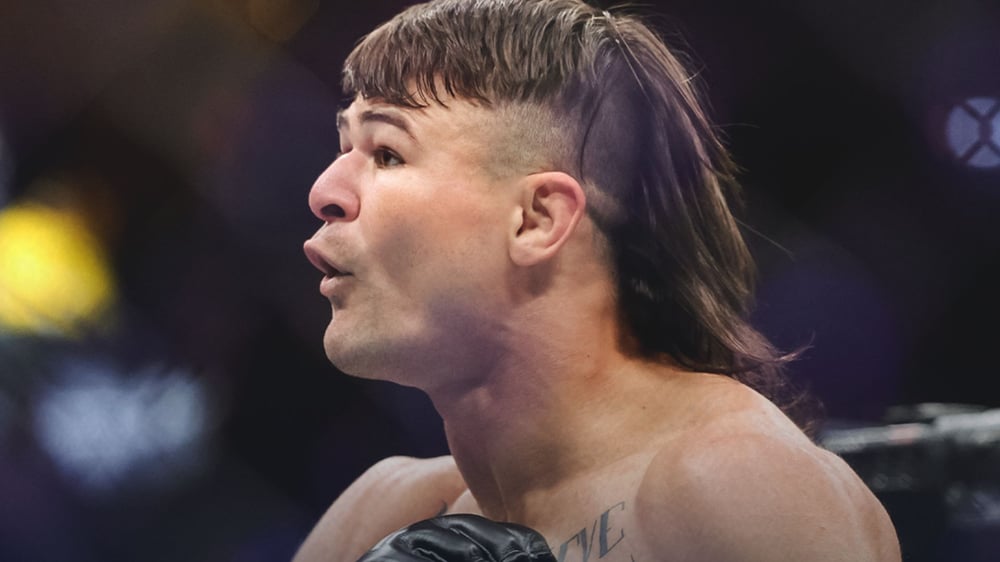
It’s easy to overlook his devotion to others when faced with his showmanship, which is something you may think is down to his famously flamboyant hairstyle. True be told, Diego Lopes was eight when he started wearing his hair that way, according to Loopy Godinez, who interpreted for him on The MMA Hour in 2023. He liked the style, she explained, and soon it had become part of how UFC fans recognized him. That’s one hell of a return on a decision most of us would’ve been made to undo before school picture day. On the JAXXON Podcast, the hosts likened it to Justin Bieber up front and Joe Dirt in the back. Thankfully, Lopes said he had no plans to cut it. And the hairstyle’s sidekick, his cowboy hat, goes places the mullet could handle on its own. Lopes wore it to face off with Alexander Volkanovski. And it’s part of how he dresses away from fight week, too. On The Ariel Helwani Show, Helwani brought up a photo of Lopes with the brim low over his face and said he looked like The Undertaker. Lopes liked that the photo showed how serious he was without having to say very much.
HE PAYS THE WAY NOW
That famous cowboy hat even made it to Sydney for the Volkanovski rematch, and so did ten people from Diego Lopes’ gym. According to Fox Sports Australia, Lopes paid for their flights, rooms, and expenses. He also helped cover fight-week costs for three fighters back in Mexico because he remembers what it was like to need someone to pay your way.
“When I started out, I had some support from people, but it wasn’t enough,” Lopes told Fox Sports Australia. “So now I get to be that person for others.”
In Puebla, that meant starting a youth jiu-jitsu program at Brazilian Warriors. At the launch, Lopes held a seminar for kids aged five to 17. There were gis, shirts, hats, and gloves to hand out, and one of the sponsors offered training scholarships.
“I want to give back the things I did not have when I first started,” Lopes said on UFC Connected. The youngest kids on those mats were the same age he was when he started training at his dad’s gym. He’d made a promise to his parents when he left Brazil. He wanted to come back in a position to give them a better life. When he spoke to UOL ahead of UFC Rio in 2024, his parents were there with him, and he was trying to hold back tears.
“Having them here with me makes me really proud. I’m keeping the promise I made them,” he said.
When he stopped Steve Garcia at the White House, his old neighborhood in Manaus watched on a big screen set up on the same street where his dad’s gym was. He’s got kids in Puebla putting on their first gi and neighbors in Manaus still coming out to watch him fight on the street where he put on his. It shows his commitment to family and giving back to others at every turn, so while he’s a beast with the gloves on, he’s got the best kind of dog-like loyalty when the gloves come off.
THE FIGHTER HE STILL WATCHES
Diego Lopes might stand tall on the bright lights of the world’s biggest stage, but ask him who made him want to fight in the first place, and he takes you back to a jiu-jitsu gym in Manaus. He’d been training for about a month when people at the gym started talking about a José Aldo fight in the WEC and it changed him.
“That was the first time I saw him,” Lopes said in Spanish. “We all got together to watch the fight. From then on, I started finding out more about him, watching more of his videos. His story has motivated me.”
Years later, he still watches.
“He’s from the same place as me, and that motivated me even more,” Lopes said. “To this day I watch his fights and those videos. It’s something that still motivates me.”
Then, in the middle of an interview about his own rise in the UFC, he plugs Aldo’s biopic. “He has a movie called Mais Forte que o Mundo. It’s a really good movie. I recommend it. You’ll learn a little more about who he is, about his personal life and how he got started.”
That’s the bit which is hard not to like. If you ever get the chance to ask Diego Lopes about the fighter who inspired him, he’ll give you something to watch after the podcast. He remembers gathering around a big screen set up in Manaus to watch his hero, and now people are doing it for him.
WHERE HE GOES FOR QUIET
Diego Lopes spent the weeks before his June fight with Steve Garcia training on a farm near Stillwater, Oklahoma. By October, he was back in Stillwater preparing for Charles Oliveira. He could wrestle at Oklahoma State, get his recovery work done, and train in a cage with the same team he’d brought from Mexico. Ask him why he likes farm life, though, and he’d tell you about his grandmother. She used to take him swimming and out into the countryside when he was a kid.
“If you were here, you’d notice you can’t hear a thing,” Lopes told Brazil’s A Crítica during the Garcia camp. “It reminds me of my childhood.”
As he describes in his Living in Stillwater video, Lopes lists the bits of camp he wanted people to see. There are the jokes between sessions, the meals after we’re completely wrecked, and the quiet before we start again. This is the guy who bought an Octagon and still thought the best way to show you what camp felt like was to include the bits where nobody was doing anything. It’s clearly the quieter life he enjoys, but that said, it’s getting harder for him not to be recognized. Lopes told Helwani he can now feel people looking at him as soon as he goes out for something today.
“It’s like, oh, shit, okay, I’m going to eat,” he recalled when asked if the public knows who he is.
He says he’ll always finish the food then step up for the photos. Helwani asked whether he preferred it when nobody knew who he was.
“No, so I think I like it,” Lopes said.
He takes it as a sign people had noticed the work he’d put in. So, there’s your answer to what Diego Lopes is like over dinner. Let him get through his meal, and there’s a decent chance he’ll stick around for a photo. Ask him about where he feels at home, and you might hear about his grandmother in the countryside. But when the biggest stage is live, he’s there to bring the showmanship we’ll forever adore.
...