

issue 235
November 2026
Strength trainer Ray Klerck looks at what three boxfresh MMA-specific strength studies reveal about how fighters can build strength that actually improves their performance.
For several years, Conor McGregor has looked like he could repetitively bench-press his own waxwork at Madame Tussauds. The Irishman has muscles in places most fighters, let alone people, don't have places. Yet his long-awaited comeback against Max Holloway in July lasted just 69 seconds. His knee gave out on his opening kick, leaving him with two tears in his ACL, a torn meniscus, and yet another lengthy rehabilitation. Barely four months later, his Mac Energy brand is already teasing another return.
“Leg presses, deadlifts, loading up the knee and building serious power,” read the caption accompanying his latest training footage. “Knee is primed, strength is returning, and the body is firing on all cylinders.”
Nobody is questioning McGregor's star power, work ethic, or the importance of rebuilding strength after surgery. However, his comeback raises a question relevant to every fighter who has ever lovingly admired their post-workout pump in the gym mirror. Are you potentially developing the right kind of strength? Nobody awards a 10-8 round for an impressive deadlift. Strength is only as valuable as your ability to express it in a fight. Fortunately, three new studies on MMA athletes offer fascinating insights into how fighters can make their muscles considerably better at their day job. And here’s how you can steal all of it.
THE BODYWEIGHT ROUTE
There's something about doing push-ups until your arms feel like two lengths of overcooked spaghetti. But is that sense of accomplishment worth it in the fight game? Bodyweight training has been a staple of combat sports for centuries. Hell, it’s free, requires minimal equipment, and gives coaches an inexpensive way of making an entire room of people regret their choices. But is being able to do 100 push-ups actually more useful to a fighter than being able to do 50? An August 2026 scientific review looked at 26 years of research on the topic to find out if martial artists have been productively bodyweight training or just wasting perfectly good sweat. The biggest wins were in upper-body strength and the ability to keep your muscles working for longer without them throwing in the towel. The catch? You need to keep making the exercises harder. Explosive bodyweight movements and jump training helped athletes generate power and change direction more quickly in certain tests. However, don't confuse explosive training with doing push-ups until your nipples get carpet burns because chasing more reps and developing more power are two very different things.
Unfortunately, the science gets a little less enthusiastic when it comes to building brute strength, developing a vice-like grip, packing on muscle, stripping off fat, or actually winning fights. Even the cardio benefits of bodyweight circuits depend on how fit you are to begin with. If you get out of breath downloading a fitness app, bodyweight will probably do wonders for you. If you're already conditioned to wrestle for five rounds, a short bodyweight circuit might do little more than help you hang on to the fitness you've already got.

THE BODYWEIGHT VERDICT
The scientific takeaway? If you’re bodyweight training, then you need to get creative with how you use it. To do this, the study authors recommend manipulating six aspects of martial arts-specific bodyweight training: body position, range of motion, repetition tempo, added resistance, movement velocity, and how much work you squeeze into a given time. This could mean elevating your feet during a push-up, wearing a weighted vest, or slowing the lowering phase to make the exercise more demanding without adding a single repetition. Alternatively, performing explosive push-ups shifts the emphasis toward developing power. It's essentially the same exercise, but you're asking your muscles to do a very different job. Crucially, the researchers recommend tailoring these variables to the demands of your martial art, your existing fitness levels, and how close you are to competition. What benefits a fighter eight weeks out from a fight might not be what they need eight days out. So, if you’ve got no engine, chasing more repetitions might be exactly what you need. If you're trying to develop explosive power, however, doing another 50 push-ups might be answering a question your opponent isn't asking. The trick is to give every bodyweight exercise a clear job description rather than simply measuring its success by the size of the sweat puddle you leave behind.
THE STRENGTH TRAP
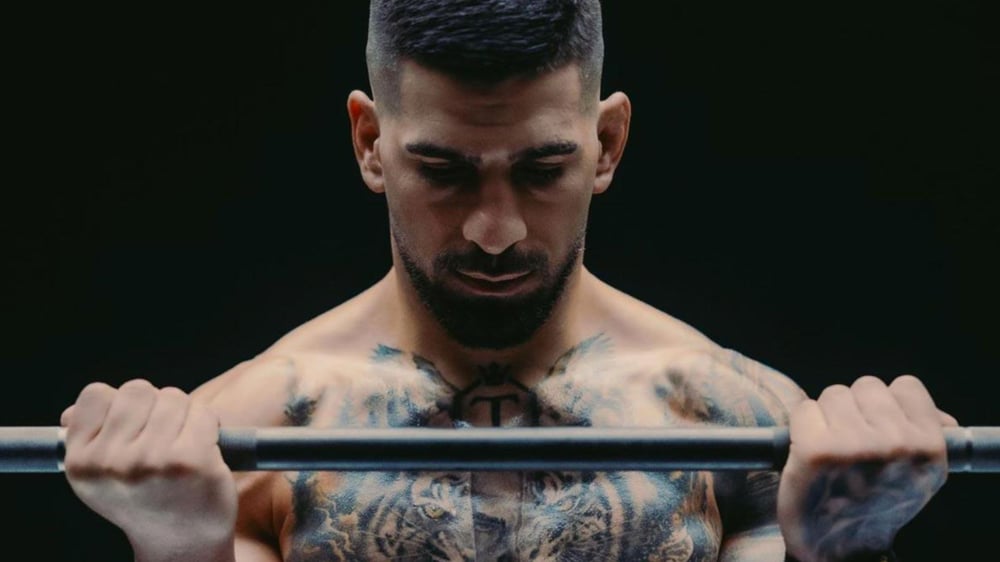
Bodyweight training is good, but it can’t give you the satisfaction that comes with lifting something so heavy everyone in the gym briefly stops looking at themselves. However, strength and power are not the same thing. Strength is about how much force you can generate, while power is how quickly you can apply it, and some November 2026 research wanted to know what that meant for MMA athletes. They roped in 35 MMA fighters who had a force deficit, meaning they were better at moving quickly than moving against heavy resistance, so they had fast but weak punches. The researchers randomly split them into two groups. Twenty fighters spent 10 weeks doing exercises borrowed from Olympic weightlifting, while the other 15 stuck to traditional resistance training. Both groups spent 10 weeks revamping their training and then were tested. The Olympic weightlifting group improved their power output by an average of 5.11%, while the traditional resistance training group went backward by 6.46%. That’s a massive 12-percentage-point difference between the two groups. The Olympic weightlifting fighters increased their vertical jump height by 13.81% and improved the maximum force they could generate during a stationary pulling test by 13.12%. The pumping iron fighters didn’t score any of that. The squat rack may look like it's been stealing money from your wallet, but that’s not a reason to skip legs yet.
THE WEIGHTLIFTING VERDICT
The scientific takeaway? Focus on how quickly you move the weights you're lifting, rather than obsessing over how many plates you can squeeze onto either end of the barbell. Olympic lifts might be the best answer. Exercises such as hang cleans, jump shrugs, and high pulls let you practice generating force rapidly without mastering the full Olympic lifts. Start measuring your explosive abilities alongside your strength gains. How high can you jump? How far can you throw a medicine ball? Are those numbers improving alongside the amount of weight you're lifting? While neither test tells you how good you are at fighting, they can help you establish whether your newfound strength is accompanied by improvements in the explosive abilities you need to win fights. There's still plenty of room for heavy squats, deadlifts, and other traditional strength exercises in a fighter's training program. The bigger question is whether the balance of exercises you're doing addresses your individual physical shortcomings. After all, if the only thing getting significantly more explosive during your strength sessions is the noise you make during your final repetition, it might be time to rethink your approach.
MAKE YOUR STRENGTH FIGHT FOR YOU
Being an MMA fighter can be a scheduling nightmare because you need strength, power, endurance, explosivity, and technical skills. So, how do you get better at everything without spreading yourself thinner? A 2026 study might have the answer. The researchers recruited 20 experienced MMA fighters who'd been training for over six years. They gave them a 12-week program that combined strength training, aerobic and anaerobic conditioning, striking and grappling drills, controlled sparring, psychological training, and recovery work. The idea was to develop their physical abilities alongside the fighting skills needed to cash in on them.
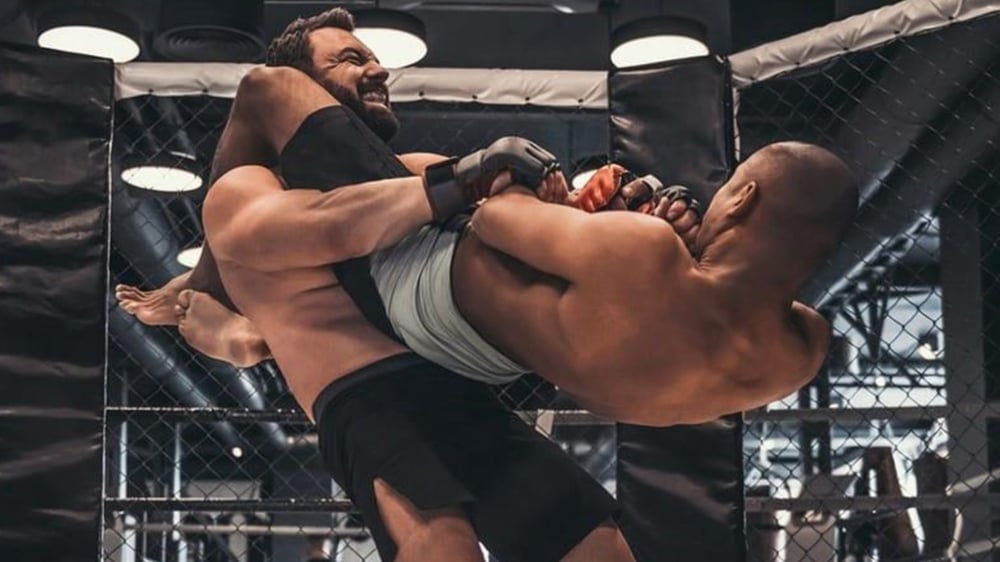
There was nothing particularly exotic about their weights program. Squats. Deadlifts. Bench presses. They did these at 70–85% of the maximum weight they could lift for one rep, using three to five sets of four to six reps with two to three minutes of rest between sets. Their conditioning included 30-second sprint intervals with 30-second recoveries, alongside longer running sessions. The technical training became progressively more demanding, with wearable sensors even being used to provide feedback on their movements. As you might expect, after the 12 weeks, everything increased by an average of about 12%, including their aerobic capacity. The fighters were 1% better each week, but the real meat on this scientific bone lies in what happened to their fighting skills. Striking accuracy improved from 61.5% to 72.1%, a relative improvement of 17.2%. Takedown success went from 48.7% to 55.8%, an improvement of 14.6%. Defensive reaction times dropped from 412 to 361 milliseconds, making their responses 12.3% quicker. There is a catch. The study didn't include a control group, so it’s impossible to say whether this approach was better than the fighters' usual training or which exercises drove the improvements. Still, the results suggest that experienced fighters can potentially get stronger, fitter, more explosive, and more technically proficient within the same training block. You don't necessarily have to sacrifice one physical quality at the altar of another.
THE INTEGRATED TRAINING VERDICT
The scientific takeaway? Stop treating your strength, conditioning, and fight training like oil and water. The researchers advocate combining general physical preparation, which develops strength, power, and endurance, with specialized physical preparation, which develops the technical and tactical skills needed for MMA. They also recommend progressively increasing training demands, monitoring workloads, and factoring psychological preparation and recovery into the program. Consider having your coaches track fight-specific numbers like striking accuracy, takedown success, and defensive reactions, alongside your lifting numbers. You might discover physical shortcomings that your gym personal bests have been doing an excellent job of disguising. Your strength coach might be delighted that you've added 30 pounds to your deadlift, but your wrestling coach would probably be considerably happier if you could pick up someone who was objecting to being picked up.
THE FIGHTER FIRST APPROACH
The common thread running through all three pieces of research is that there's no single best way for a fighter to get stronger. Bodyweight training, traditional resistance training, and Olympic weightlifting derivatives all have their merits, but their value depends on what you're trying to improve. Start by identifying the physical shortcomings that cost you in sparring, rather than the ones that cost you bragging rights in the gym. Then work backward, choosing exercises that address those weaknesses without leaving you too exhausted to develop your actual fighting skills. As for McGregor, it'll be fascinating to see how all that gym work translates into his next performance. Looking like you've been genetically engineered to play the final boss in a video game certainly doesn't hurt your marketability. But the overarching message from these three pieces of research is that fighters should be developing their strength around the demands of their sport, not the demands of their ego. Identify what's letting you down in sparring and use the weights room to fix it. After all, there's nothing wrong with being the strongest guy in the gym, as long as you're not becoming the wrong kind of strong for your fights.
...