

Issue 228
April 2026
Ray Klerck breaks down why creatine, ketones, and omega-3s might be the real cornermen your brain needs after the damage is done.
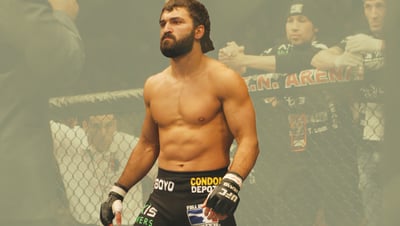
Plenty of fighters track their macros, sleep, and heart rate, but completely ignore the control center above their shoulders that was just jabbed for 15 minutes. Few consider what happens after the fight, once the adrenaline has cleared and the brain is left to mop up the mess. There isn’t a cheering crowd for that part, just inflammation, energy deficits, and neurological wiring that forgets its own WIFI password. The numbers around this aren’t very comforting. Around 1 in 3 people with a concussion are stuck with persistent symptoms that hang around like a housefly on your TV screen. It’s tough to get away from it because head and neck injuries dominate the damage report, accounting for as much as 75.9% of all injuries, with concussion rates sitting around 14-16 per athletic exposures. So, the question isn’t about whether you’re taking damage (spoiler: you are), it’s about how quickly you can repair the hardware before it freezes up. This is where things get interesting because treatment protocols are starting to show that what you do in the hours, days, and weeks after impact might mean as much about what you did in camp. Supplements can work as a triage system that helps to rehabilitate your grey matter, because once the fight ends, your brain doesn’t care who won; it just wants to be healthy again.
FIGHTER 2.0
Before you learn how to heal them, it might be worth knowing why. A concussion can be a personality-altering event that derails your life. It can even shut off your impulse filter, especially when you realize that up to 60% of incarcerated people have a history of traumatic brain injury. For evidence, look to Mark Hunt’s recent arrest for domestic assault, and he’s in good company if you look at the likes of BJ Penn’s assault record. It can cause a personality swap, with some studies showing divorce rates as high as 48-78% in the years following one of these injuries. They can turn a disciplined athlete into an impulsive, short-tempered version of themselves. Fighters have it worse because more than 60% of combatathletes said their symptoms were worse after dehydrating themselves. Part of this is because your brain sits in cerebrospinal fluid that acts like a hydraulic shock absorber, and dehydration can lower the volume of this fluid, which acts like a cushion for the jabs. With lower volumes of this fluid, you can think of it as a glass falling on a pillow versus the glass falling on a marble floor. It’s an occupational hazard across all combat sports, and all the governing bodies put strict safeguards in place to protect their fighters, so it’s a smart move to manage this risk with a three-step supplement process.
THE FIRST FOUR HOURS: KETONES
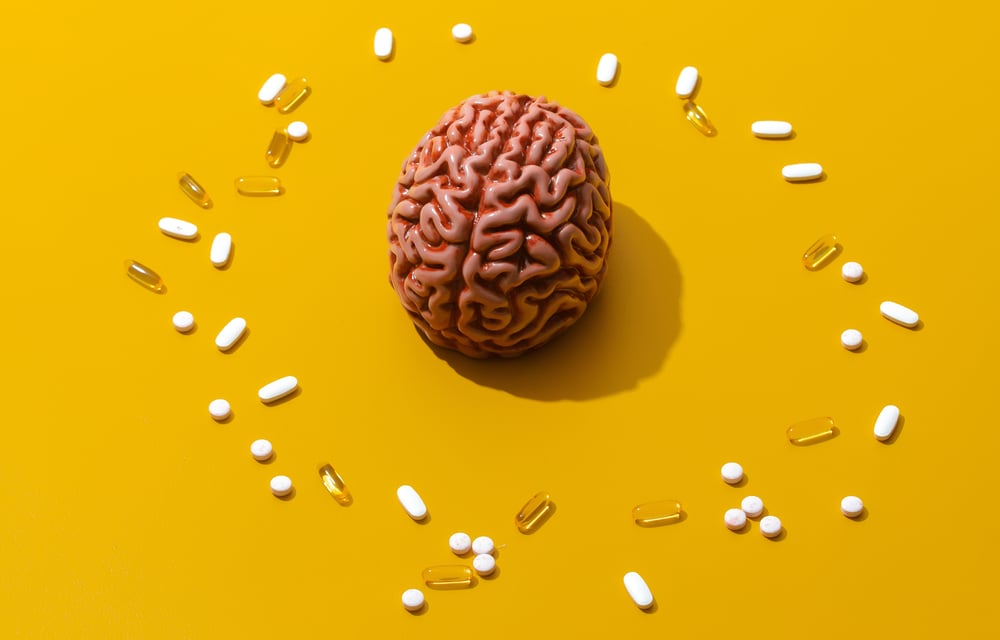
The moment your brain gets rattled via concussion, it forgets how to use its favorite fuel: glucose. It’s the stuff it normally runs on, but when your noggin takes a hard shot, your neurons stretch and leak ions, so your brain panics and tries to pump these back in to restore some kind of balance. This process demands ATP-phosphocreatine system (ATP) energy, but then it hits a wall, and the brain’s ability to use glucose crashes. When this happens, ketones step up to the plate because, after a traumatic brain injury, when your glucose metabolism drops off, the brain has a backup fuel option. It can switch to ketone bodies as an alternative fuel source, bypassing the broken pathway and keeping the energy systems it needs online. Under the right conditions, ketones can supply up to 60% of the brain’s total energy needs, which is less of a “nice to have” and more “this is what’s keeping your neurons online.” When ketones are produced through diet, they can add another layer to the healing process by reducing neuroinflammation. Ketone bodies, particularly beta-hydroxybutyrate, have been shown to reduce inflammatory responses and oxidative stress, both of which are heavily involved in the damage that occurs after the initial trauma. So, in that first 0 to 4-hour window after a fight or a hard spar, this isn’t about optimization. This is more of a triage system in play. This keeps the system running while everything else tries to stabilize, giving your brain a fuel source it can actually use under pressure. It may even make you feel better because once that energy supply drops, it’s not just your performance that suffers. It can sometimes be your memory, mood, reaction time, and decision-making. These are all the things fighters and regular humans rely on to feel their best.
DAYS 1–5: CREATINE REBUILDS THE ENGINE
Once the dust settles and you’re out of that immediate danger window, your brain’s job shifts from keeping the lights on to fixing the potentially damaged wiring. Here, creatine quietly goes from a gym-bro supplement to something much more useful. Everyone knows it for bigger lifts and fuller muscles, but your brain uses it too. In fact, it runs on the same ATP-phosphocreatine system mentioned above, which is exactly what takes a hit after a concussion. A 2026 trial gave 34 people with persistent post-concussion symptoms 5g of creatine monohydrate daily for seven weeks, and they showed moderate effect sizes for improving total and persistent symptoms. In plain English, that’s a meaningful signal that something is happening, while other research has found it can even improve people’s cognition. Mechanistically, it makes a lot of sense. After a brain injury like a concussion, your energy production becomes inefficient, mitochondria struggle, and the whole system starts running like it’s stuck in second gear. Creatine helps buffer that by increasing phosphocreatine stores in the brain. That’s far from trivial when your brain is trying to restore its balance, reduce fatigue, and keep all the basic functions online. Taking it regularly might even bring a bit of defensive work to the table. Creatine has been linked to reduced oxidative stress and anti-inflammatory effects, both of which matter when your brain is dealing with the aftermath of repeated impacts. So if ketones are your emergency generator in the first few hours, creatine is your repair crew in the days that follow. Not flashy, not instant, but quietly restoring the brain’s energy systems so you’re not running on fumes.
DAYS 5-100: OMEGA-3S AND NACS
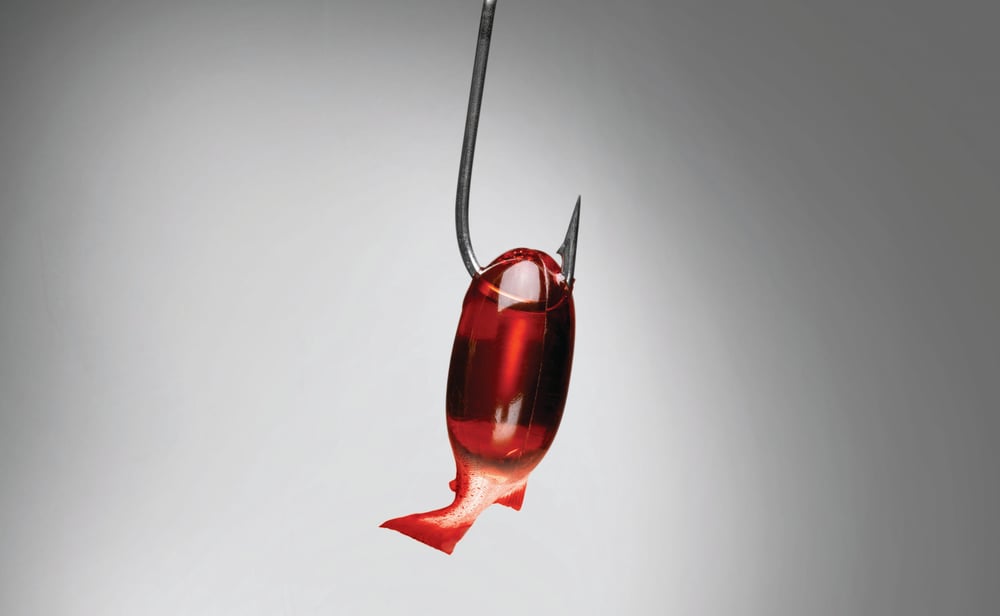
Creatine is one of the world’s most researched supplements, so you can take it long term with very few, if any, side effects, though it can cause a little water retention for some fighters. Often, long-term brain health is an afterthought, especially when the headaches fade and everything feels fine, but that often means things are still broken, just running quieter. Resting atop the brain recovery spectrum are omega-3s, but many fighters get this wrong. The standard 1g of fish oil for brain trauma is like taking a water pistol to an Australian bushfire. The brain is the last organ to absorb these fats, so you need a big dose to make a dent in the flames. Standard recommendations sit around 250–500mg per day, but emerging research suggests that significantly higher doses may be required for brain trauma, with some case studies using multi-gram protocols. The catch is that we don’t yet have definitive human dosing guidelines for concussion recovery. Some opinions from military experts like Dr. Michael Lewis suggest that for the brain to actually repair its structural membranes, you need an induction dose that’s up to 3,000mg to 9,000mg of EPA/DHA to saturate the tissue, but that’s not been approved yet, so don’t try this at home. A safer bet might be to add the longevity supplement N-acetylcysteine (NAC). When your brain takes a hit, it leaks glutamate, which is a chemical that, in high amounts, becomes a neurotoxin. NAC acts like a muffler for this glutamate storm, helping to regulate the mood swings and irritability. In fact, a landmark study on U.S. soldiers found that those who took NAC within 24 hours of a blast injury were nearly four times more likely to be symptom-free within a week. This isn't just about clearing a post-concussion headache. It’s more about making sure you’re still the same person when you walk back through your front door. So if ketones keep your brain running and creatine helps rebuild the engine, NAC and omega-3s are the long term bodyguards that may help you stay in the fight long term.
PROTECT THE MASTER
People talk about fight IQ, but your brain is the only piece of equipment you can't replace once the warranty expires. You wouldn’t head into a five-round war with a cracked cup or 12-ounce gloves stuffed with newspaper, so don't leave your neural wiring to fend for itself. Combat sports are always going to be a game of managed damage, but there’s a massive difference between retiring with a legacy and retiring because you can’t remember your own phone number or why you're angry at the fridge. This three-step protocol isn’t about turning you into a superhero or bulletproofing your chin. It’s about giving your brain a fighting chance to keep up with the life you expect it to handle outside the fight game. Memory, mood, decision-making, impulse control. All the things that make you YOU.
...