
issue 229
May 2026
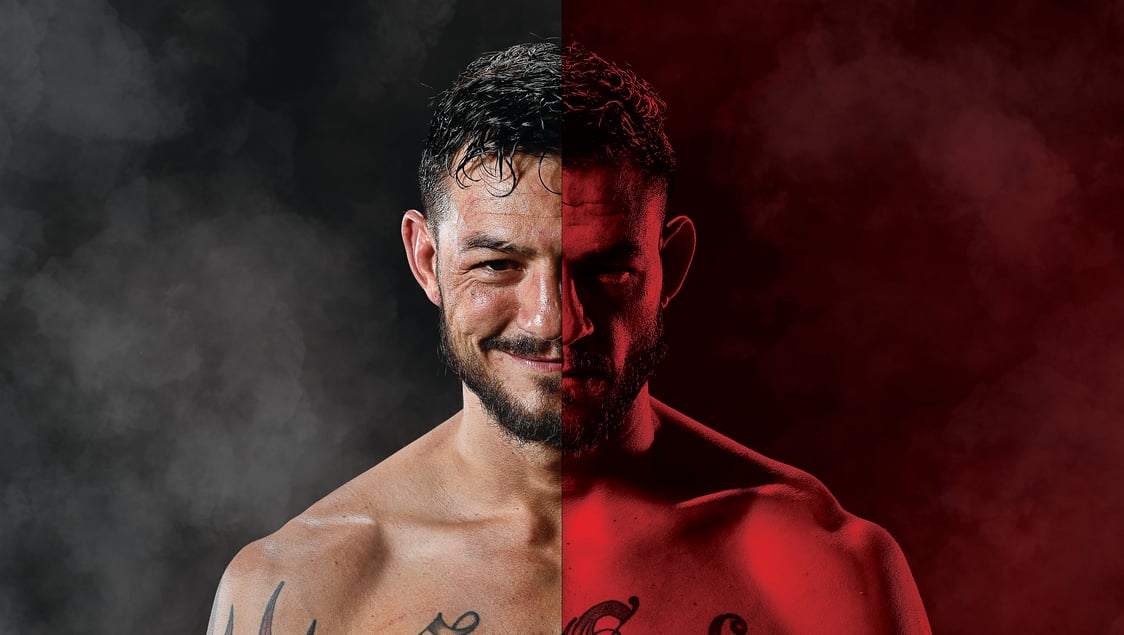
Giancarlo Aulino caught up with Cub Swanson to reflect on a career built on violence, heart, and the rare ability to make every single fight feel like it deserved a standing ovation.
If you want to be entertained, Cub Swanson is your guy. That was on full display when he faced Doo-Ho Choi at UFC 206. Both fighters were awarded a Fight of the Night bonus and inducted into the Fight Wing of the UFC Hall of Fame class of 2022. Now 42, Swanson is transitioning to life after fighting following his spectacular knockout win over Nate Landwehr at UFC 327. ‘Killer’ officially retired after the fight, marking a storybook ending to his career. The Hall of Famer now aims to give back to the next generation of aspiring fighters through his new Bloodline Combat Sports gym. Fighters Only caught up with him to reflect on his journey.
FAIRYTALE ENDING
Swanson retired with a first-round knockout victory, marking an end to his 22-year career.
“It was a huge rush to get the finish and everything that was stacked on top of that,” he told Fighters Only. “It was kind of relieving to have a performance and just be done with it. And it took a solid week to kind of comprehend everything that actually went down. It was an amazing night. Honestly, I couldn’t ask for a better ending. My wife and I were both overwhelmed, and it was an amazing experience.”
Not many fighters can say they had the sitting President of the United States, Donald Trump, in attendance for their final fight.
“I wanted my kids to watch me fight,” he smiled. “You know, one last time that I figured they would remember that was important to me, and for them to sit with the President and watch their dad fight, that just seemed crazy. So that was amazing. I appreciate the UFC for making that happen. It was super cool.”
HUMBLE BEGINNINGS
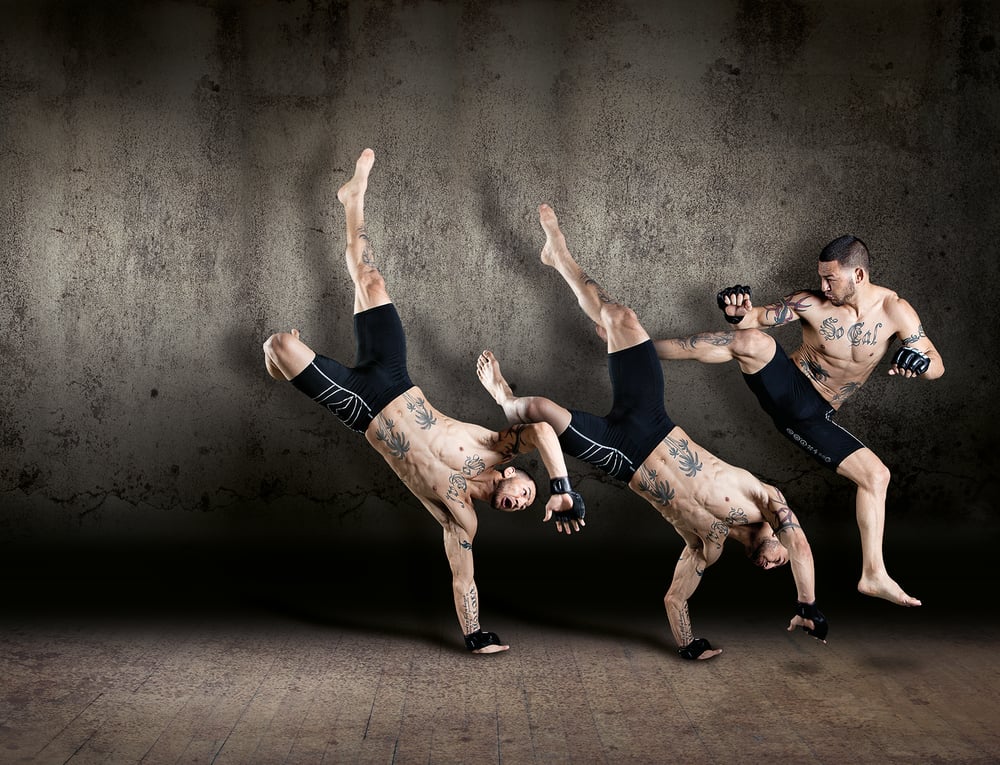
In the early days, Swanson watched how other fighters conducted themselves during training and used that as a blueprint for his development.
“I didn’t have any black belts around to show me the way,” he says. “I just had passionate people. I was trying my best, and I had my first few fights with just jiu-jitsu and no striking, no wrestling. I started venturing out to Orange County where I live now, and I was trying to be around the MMA scene. During one of my fights in Mexico, I was training four days a week, one time a day, and when I was there, I was listening to everybody else trying to pick up on what the pros are doing. They were training multiple times a day, every day.”
FINDING THE RIGHT MENTORS
The sport was in the midst of a boom when he entered it, and he surrounded himself with great mentors.
“I decided to quit my job and started to search for better environments. That’s kind of how I started to move around and gain knowledge. I had Joe ‘Daddy’ Stevenson early on helping me out. I had Erik Paulson pretty early on helping me out. Then my manager, Kami, he was the one that really helped open all those doors for me and teach me how to think beyond what my simple mindset had.”
FIGHTING SMARTER
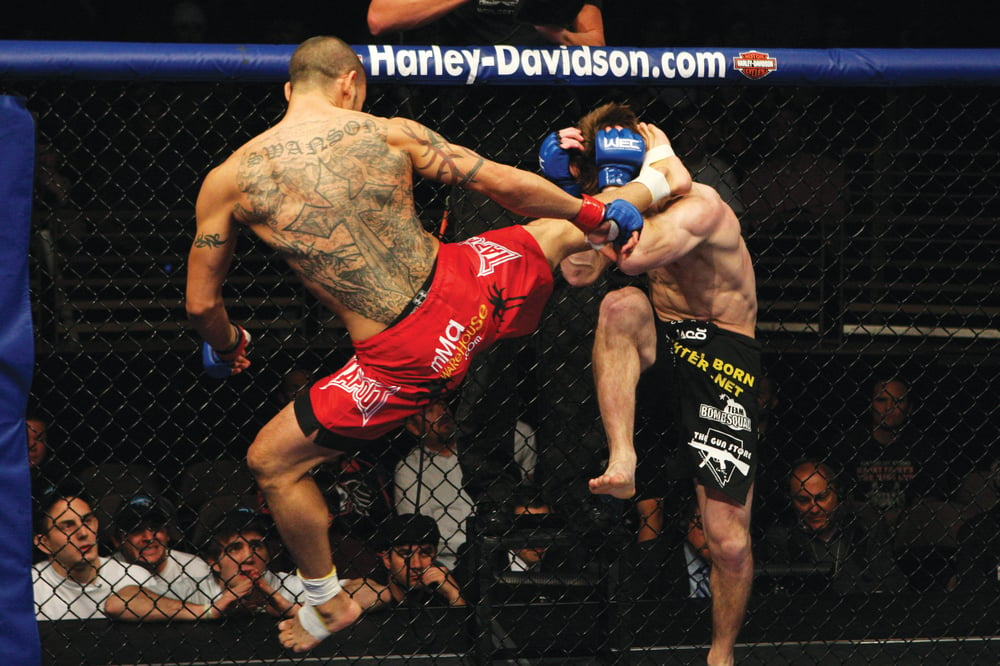
With wins over Oliveira and Poirier, Swanson admitted that living up to his rep of delivering action-packed fights added more pressure.
“I’m not that same angry 22-year-old kid, and that’s a little bit different. It’s hard. And so, there’s expectations, and you’re like, man, they still want you to be that same dog. And I am, but in a different way. So, I’ve just learned to get those nerves out on fight week, and by the time I’m backstage, I put on this dance music, like feel-good dance music. And I warm up super chill, and we’re having a good time, and then I’m like, ‘Alright, let’s go fight,’ and kind of let go of that. My last two performances, I feel like I’ve really shown that I’ve been able to be a lot more relaxed and just enjoy the moment.”
INSTILLING WORK ETHIC AT BLOODLINE
He will now be embarking on a new full-time venture with the opening of his Bloodline gym where he’s coaching younger fighters.
“I teach my fighters to be smarter and to teach them how to run their own camps and take responsibility for their own camps. And not every fighter likes it, and they won’t fit my mold, but I go, ‘Take a calendar. Mark 14 weeks out from your fight. What’s your game plan? How are you going to run this camp? Who are your coaches? What’s your focus? Is it cardio, speed, power? What’s most important to least important?’ And I walk them through how to do that, and then I help them. But I’m not going to sit there and baby them and tell them what to do every day. I’m trying to build on this championship mentality of how to take responsibility for your actions, for your camp, how to run things, how to take control because every fighter has their strengths and weaknesses, but also things that make them mentally strong. So, I try to teach them high fight IQ and toughness but not rely on toughness. My goal is to change the mentality of fighting and to get us to the next level of being good athletes on top of being tough as hell.”
SOCIAL MEDIA GENERATION
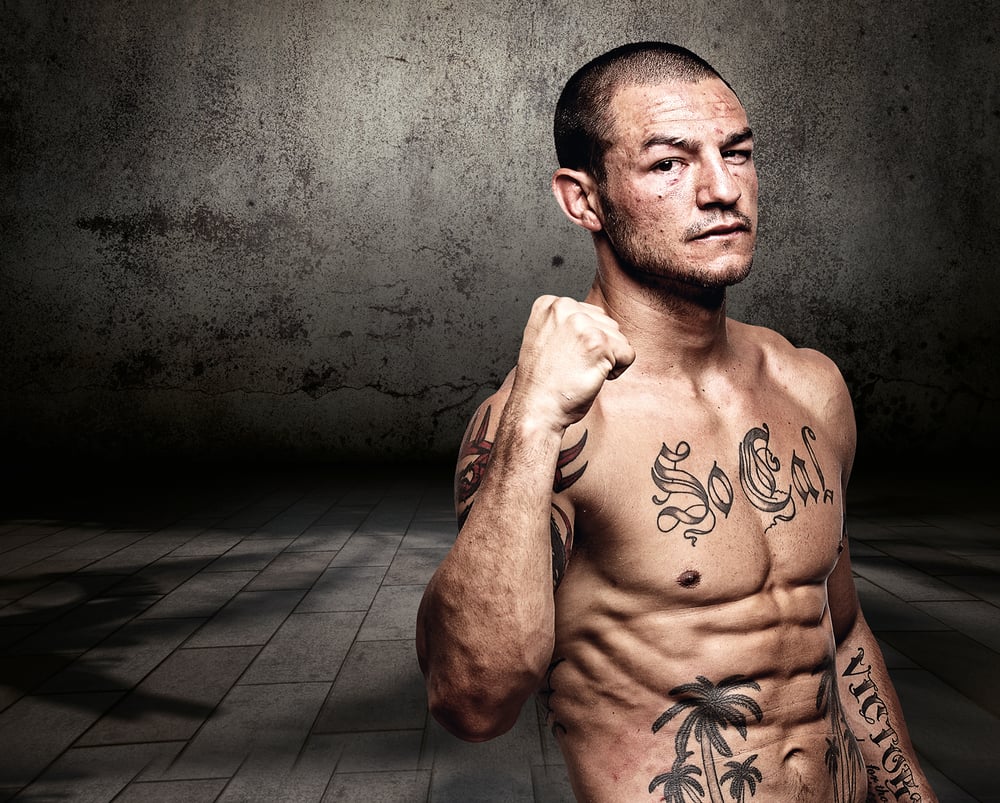
Swanson spoke on the positive and negative effect that social media has on modern-day fighters.
“One thing I don’t like is guys really need to focus on their social media, but you get a lot of guys that come in that you could tell they’re more about saying they’re a fighter than actually being a fighter. So you run into that, and that’s difficult because some are pretending to be a fighter and everyone around them is like, ‘He’s not one, he just wants to pretend.’ That’s difficult because those guys got to get weeded out because you could tell that they’re just going to be a cancer to the culture over time.”
However, that accessibility to a fighter’s past bouts is a valuable prep tool.
“When I started fighting, people didn’t put their moves online because it was hidden knowledge. So, it took longer for us to figure out all the moves. You knew what your coach knew. Now everything’s online. All the info is there. You just need to learn how to implement it correctly, but all the info is online.”
REFLECTIONS
Since hanging up his gloves, Swanson has had some time to consider his impressive resume.
“I probably would have annoyed myself saying I was going to become somebody,” Swanson smiled when asked what he’d say to his younger self. “The advice I would give is work ethic is everything. And it takes time to build to that. It takes a long time to mentally build up to the workload of a UFC fighter. You have to keep building that and have that mental capacity to push beyond. The most important thing is what’s your threshold and can you push through?”
Swanson has already proven himself an excellent coach, with his fighters achieving early success in the UFC. While he is no longer an active UFC fighter, he will stay heavily involved in the sport, as he opens his new Bloodline gym.
...