

issue 229
May 2026
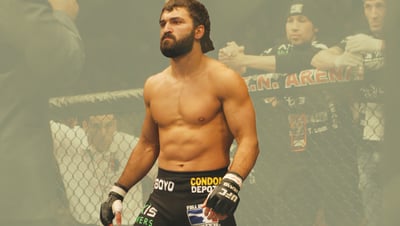
Ray Klerck explores the bizarre science-backed ways MMA quietly rewires your brain, body, resilience, identity, and even your gut bacteria long after the bruises fade.
Most people think MMA changes you on the outside. You’re stronger, leaner, and have less chance of wheezing while carrying groceries up the stairs. However, the longer you stay in the sport, the more you notice rather strange things happening beneath the surface. This isn’t another story about how to throw a better jab or survive leg day without strutting like a cowboy afterward. This is about the quiet changes that sneak up on people who spend enough time around MMA. It’s the kind that spills into business, relationships, and the way you handle pressure when life starts swinging. Science is finally catching up to what fighters have felt for years, and here’s how 2026’s latest research suggests it subtly rewires the way you move through the world.
YOUR GUT GET REWIRED
Fighters are quick to blame feeling off on weight cut, stress, or bad sleep, but a combat athlete’s gut may be far more involved in performance than anyone first thought. Researchers looked at 247 elite combat sport athletes to figure out how gut bacteria might influence their performance, recovery, and psychological resilience. Those with more diverse and healthier gut microbiomes performed better and could handle their competition anxiety better. Higher-level fighters also had different gut bacteria than lower-level fighters, almost as if years of elite training had reshaped their internal ecosystems. Good luck trying to get a sample from Islam Makhachev for a stool implant performance booster. Whether MMA changes your gut bacteria or you get better at MMA because your bacteria are healthier, it’s a chicken-and-egg question. The answer doesn’t matter because the research’s practical takeaway is simple: eat more fiber and fermented foods. These include yogurt, kefir, kimchi, fruit, and a variety of whole foods during camp, rather than surviving entirely on chicken, rice, caffeine, and panic. They also highlighted that probiotics and prebiotic fibers may help support recovery, gut health, fatigue resistance, and performance in combat athletes. Your six-pack might win the photoshoot, but your gut bacteria are the ones changing you from the inside out.
THE NOISY BRAIN GETS TOLD TO SHUT UP
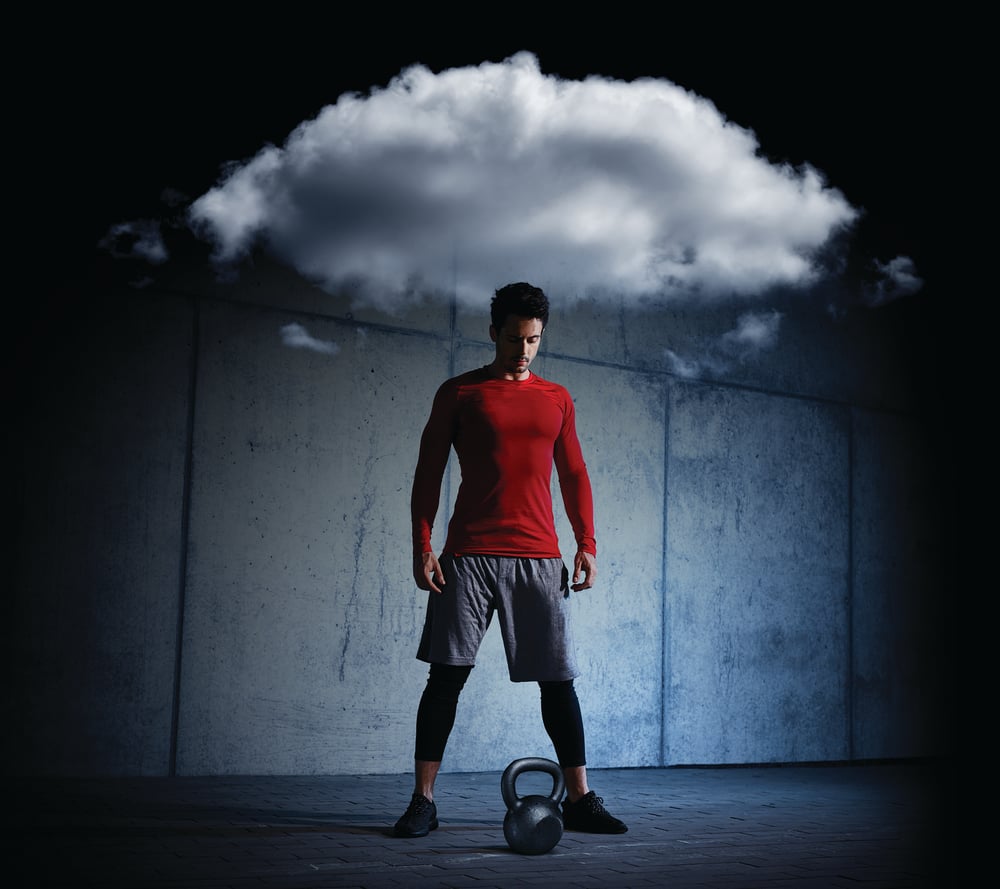
Modern life can make your brain feel like it’s got twenty browser tabs open, and you don’t know where the bagpipe music is coming from. Fortunately, if you were lucky enough to stumble into MMA, something weird happens to the brain. A 2026 review looking specifically at MMA and how it impacted ADHD found that it helped create improvements in attention, emotional regulation, impulsivity, self-esteem, and anxiety. People had better focus, behavioral control, and emotional stability after MMA. Turns out your brain becomes surprisingly present when another human is trying to strangle you in breathable sportswear. The takeaway is that focus isn’t always found sitting quietly in a chair pretending to enjoy mindfulness apps narrated by a dude who sounds like he moisturizes his elbows. Sometimes your brain needs movement, pressure, and consequences. For some people, this sport doesn’t just sharpen the body, it finally gives the brain a lane to drive in without swerving into traffic.
YOU’LL SECRETLY BECOME LESS USELESS
Nobody signs up for MMA hoping it will turn them into a more emotionally balanced person with better self-awareness. Except that’s what it does. A February 2026 mixed-methods study looking at martial arts training found that programs combining physical training with mindfulness, reflection, and martial values significantly improved courage, emotional regulation, and overall life perspective. They were calmer under stress, more confident, and better at handling challenges outside training. Some even reported improvements in self-worth and the way they approached setbacks in daily life. The results were so powerful that the researchers concluded that martial arts shape a person’s character through repeated exposure to controlled adversity. MMA is not just exercise with cauliflower ears. It is a sneaky way of teaching people how to carry themselves properly without ever pretending to be a Tony Robbins seminar.
CYCLIST-LEVEL FITNESS MINUS THE LYCRA
Take a second to form a picture of an elite endurance athlete in your mind's eye, and there will be a cyclist climbing mountains with thighs like Christmas hams. Cyclists are usually considered some of the fittest humans on earth, and MMA fighters are sitting surprisingly close to that territory. A 2026 study examining elite MMA athletes found the fighters had an average VO2 max of 63.2 ml/kg/min. For context, recreationally active men often sit around 35-45, while elite endurance athletes usually land somewhere above 60. The MMA athletes showed higher VO2 max values than athletes from many other sports because fight fitness is built different to gym-bro fitness. MMA doesn’t just build muscles. It quietly builds one of the most powerful engines in sport without forcing you to shave your legs and spend $14K on a bicycle.

THE FREEDOM TO ESCAPE YOUR OLD CHARACTER
Many people arrive at MMA with an identity they’re trying to outrun. The timid kid. The angry bloke. The anxious overthinker. Fortunately, it has a way of slowly deleting those old operating systems. An April 2026 study found that martial arts can fundamentally reshape a person’s identity through discipline, hierarchy, and social belonging. The research followed the life story of a martial arts coach who originally began training because he was terrified of getting beaten up as a child. Over time, training transformed him from a fearful and reactive young man into a disciplined mentor focused on leadership, self-control, and helping others grow. Personality isn’t permanent, and MMA thrives in this space because it repeatedly places people in situations where adaptation is a matter of survival. Over time, the sport quietly replaces insecurity with capability, and eventually, you realize the person who first walked into the gym no longer really exists anymore.
YOU’LL TURN INTO A HUMAN HYBRID ENGINE
After enough training, people notice they no longer feel wrecked by life. Carrying groceries feels easier. Running for a flight no longer feels like a near-death experience. Even stressful days hit differently. A 2026 review of 536 adults across multiple martial arts studies found consistent improvements in fitness, endurance, strength, recovery, mobility, and overall conditioning. What more could you want? There was a 90% probability of improving muscular strength, alongside a 76% probability of improving cardiorespiratory fitness. It’s worth knowing because it stops the idea of separating fitness into neat little categories. MMA works because it trains everything simultaneously. Your lungs, legs, reactions, coordination, and brain are all forced to cooperate under fatigue. Add bag rounds, shadowboxing, or short bursts of intense movement into your week instead of relying entirely on slow cardio that feels like punishment for enjoying garlic bread. Over time, MMA doesn’t just build a better gas tank for fighting. It makes you physically harder to break in everyday life.
YOU BECOME WEIRDLY HARD TO BREAK
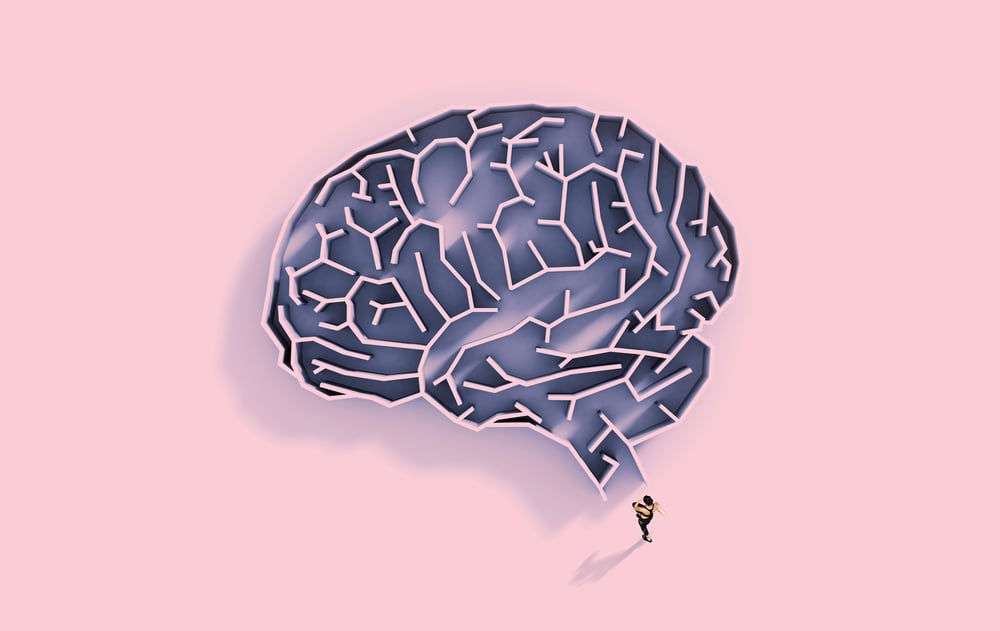
Anxiety is up, depression rates in young people are climbing, and half of us react to a stressful email like it’s a medieval invasion. Yet in MMA gyms, the opposite of that is happening. A 2026 study looking specifically at youth MMA athletes aged 8 - 17 found remarkably low depression scores and unusually high resilience levels compared to similar-age populations. Only 3.7% of the young fighters screened positive for depression, despite broader studies showing depression rates in adolescents sitting between 13% and 20% in the general population. Even more interesting, 95% of the athletes agreed that MMA had made them more resilient. Being tough isn’t going to be built while lying under a weighted blanket listening to whale noises. It grows through voluntary discomfort, community, and learning to stay calm while uncomfortable. You do not need to become a competitive fighter tomorrow, but difficult physical activities that force adaptation and humility can slowly build emotional durability over time. MMA doesn’t just condition the body to survive pressure. It may quietly condition the mind to stop collapsing whenever life throws a jab.
...