


issue 230
June 2026
Fighters might be turning hydration into rocket science, but the science suggests your taste buds might know more than your spreadsheet.
Ask any pro athlete how they got to the top, and they'll tell you it's a combination of blood, sweat, and tears. The irony is that two of the three ingredients in that famous saying are also remarkably good at flushing salt out of the body. Which might explain why some fight camps talk about sodium with the kind of reverence previous generations reserved for VHS tapes of Bas Rutten. Athletes are weighing themselves before and after training sessions, measuring sweat losses to the gram, and carrying around electrolyte mixes that look like they belong on an Artemis voyage. Coaches like Dean Amasinger have developed highly sophisticated rehydration protocols based on electrolytes, salt monitoring, and sweat tests. He applied it ahead of Terry Brazier's successful move to lightweight and second world title victory at BAMMA 35 in 2018, the Englishman weighed in at 69.8kg before ballooning back up to 81kg by fight night. It's hardly surprising that sweat tests and personalized sodium plans have since gained traction. But as sports science has become increasingly sophisticated, some researchers have begun to ask uncomfortable questions. What if most fighters are making sweat rates and hydration far more complicated than they need to be?
SEASON TO TASTE
Trying to get a read on every grain of salt you sweat out is a bit like trying to catch every raindrop in a thunderstorm. Admirable, but ultimately, you just look like a fool with your tongue out. Despite this, researchers from Monash University set out to answer how much sodium athletes actually need to be at their best. They modeled everything from sweat rates and exercise duration to body mass and blood sodium levels. Surprisingly, most of those variables had little influence on athletic performance. Instead, sodium requirements were driven largely by two factors: how salty an athlete's sweat was and how aggressively they tried to replace lost fluids. When researchers applied the model to realistic soccer matches and elite marathons, targeted sodium replacement and sweat testing proved unnecessary in every scenario they examined. Athletes could simply season their food to taste rather than rely on laboratory analysis to adjust their salt intake. It was only during extreme events such as 160km ultramarathons, where athletes replaced more than 80% of their fluid losses and had particularly salty sweat, that personalized sodium strategies proved useful. To get a read on these sorts of things, sports scientists classify sweat saltiness using fancy measurements like millimoles per liter. In practical terms, the researchers found that athletes with sweat sodium concentrations above 40 mmol/L, or roughly 1 g of sodium per liter of sweat, stood to benefit most from targeted replacement. If you've ever finished a hard sparring session with white streaks across your black T-shirt, felt salt crystals on your face, or had eyes that sting as if you've accidentally shampooed them, congratulations. You're probably one of the saltier members of the human race. Even then, complete replacement of sodium losses was rarely required. In other words, unless your workouts involve exercising for the better part of a day, your tongue might give you the best steer on how much salt to take and will do it better than any spreadsheet.

DO FIGHTERS REALLY NEED ALL THIS?
Trying to compare a UFC title fight to a 160km ultramarathon is a bit like comparing a sprint to a family road trip. They both involve movement, but only one requires packing sandwiches. Of course, MMA fighters complicate things by doing stuff marathon runners generally don't, such as deliberate dehydration. That's why Dr. Anthony Ricci and colleagues devoted an entire section of their position stand on combat sports, published in the Journal of the International Society of Sports Nutrition, to hydration in weight-class athletes. The authors discussed how water loading, sodium manipulation, heat exposure, and rapid weight cutting make hydration uniquely complex in MMA, boxing, and wrestling. But the most interesting thing was that the science still hasn't figured out exactly how much sodium fighters should cut or replace. They found that practical sweat tests can be inconsistent and that the precise degree of sodium restriction required remains unknown. Rather than serving up a one-size-fits-all answer, the researchers recommended starting with an athlete's normal sodium intake and adjusting it based on the amount of water they expect to lose. Instead of blindly slashing salt, they advised establishing a fighter's baseline intake first and then making changes only if needed. They also urged caution against dropping sodium much below 2.3 grams per day during fight week. Combat athletes lose much more sodium through sweat than the general population. For athletes already eating less than 2.3 grams per day, they suggested placing more emphasis on other water-manipulation strategies rather than chasing ever-lower sodium levels. The review also highlighted just how variable sodium losses can be, with sweat concentrations typically ranging from 20 to 80 mmol/L, or approximately 460 to 1,840mg of sodium per liter of sweat. That's the difference between lightly salting your fries and accidentally recreating the Dead Sea. In other words, even the world's experts admit that hydration isn't an equation with a single perfect answer so you're probably overthinking sodium.
SODIUM ISN'T THE BAD GUY
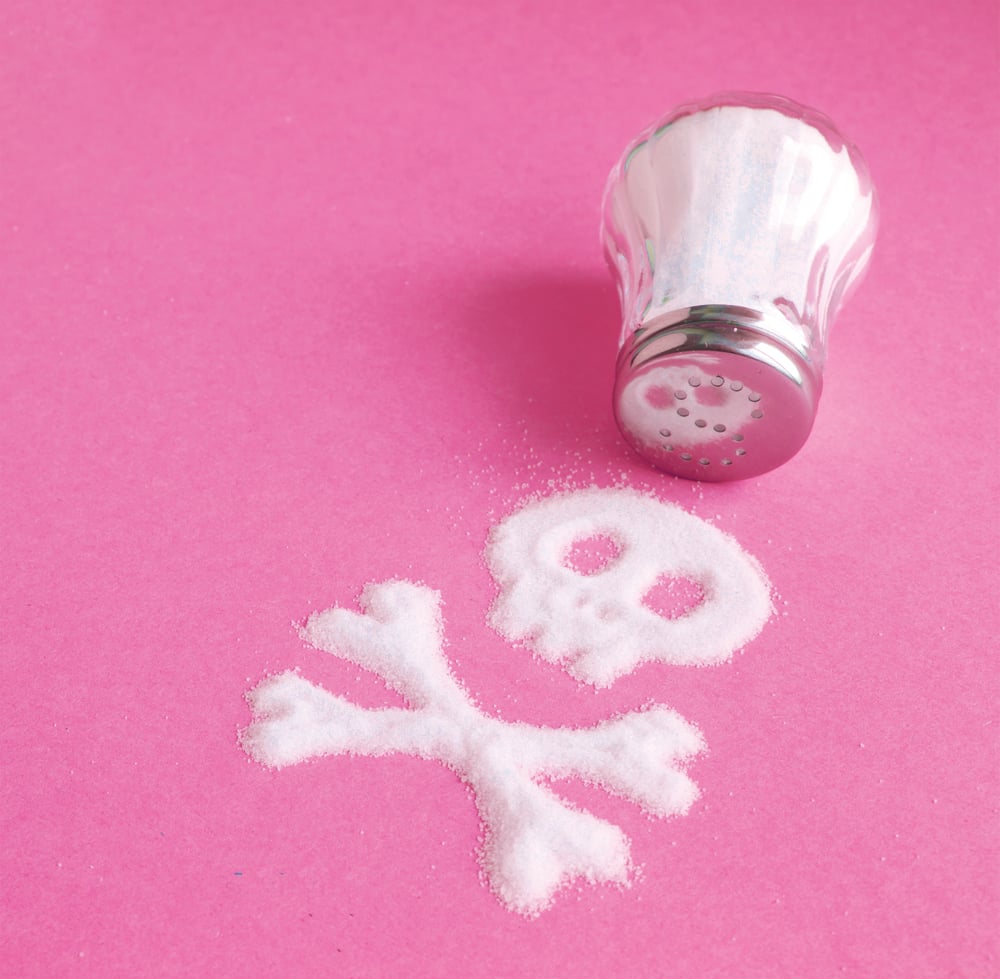
For years, salt has been treated like a villain, mostly because of conversations about blood pressure. But a large study published in The Lancet followed more than 95,000 people across 18 countries for over 8 years and found that the relationship between sodium and health was far more nuanced than previously thought. Overall, blood pressure rose by 2.86 mmHg for every extra gram of sodium consumed, but only communities with average intakes above five grams per day showed an increased risk of cardiovascular disease and stroke. Most populations sat between three and five grams a day comfortably and showed no increase in risk. Even better, higher potassium intake was associated with lower cardiovascular risk across all countries studied. This is good news for fighters because sodium is essential for nerve transmission, muscle contraction, and maintaining fluid balance. More interestingly, not all sodium-containing compounds are created equal, especially sodium bicarbonate. A systematic review involving 423 combat athletes found that sodium bicarbonate supplementation improved several aspects of an MMA fighter’s performance and delayed fatigue. In other words, some sodium compounds don't just replace what you lose. They may actually help you keep throwing punches when your gas tank starts flashing, so you can get more out of your tired muscles. The most common protocol involved taking around 0.3 grams per kilogram of bodyweight 60 to 120 minutes before exercise, although some athletes spread smaller doses over five to ten days to avoid the gastrointestinal distress that can kick up some discomfort. The review also recommended maintaining a diet rich in potassium-containing foods and keeping overall dietary sodium relatively modest while supplementing with sodium bicarbonate. The lesson is simple. Sodium isn't the bad guy it was once made out to be. The right form at the right time can improve performance.
TRUST YOUR BODY
Every generation of athletes likes to believe it has discovered something the previous one missed. Sometimes they're right. Sometimes they're just rediscovering old ideas with more expensive equipment. The modern interest in sodium sits somewhere in the middle. Sweat tests, electrolyte tablets, and personalized hydration plans all have their place, but the science suggests the average athlete probably doesn't need to treat every training session with a salt test. If there's one lesson hiding in all this research, it's that the fundamentals still matter. Start with a sensible diet. Eat plenty of potassium-rich foods. Don't slash sodium into oblivion during fight week. Rehydrate intelligently after weigh-ins. And only start chasing sweat tests and millimoles when you have a reason to believe you're one of the unusually salty members of the human race. The greatest performance enhancer in the room probably isn't hiding inside a laboratory report. The body has been regulating salt and water for a few hundred thousand years. Your spreadsheet has been around since Microsoft Office 95. The trick isn't to outsmart your physiology. It's to stop picking fights with something that's been keeping humans alive for centuries.
...