


issue 219
July 2025
Skin infections are constantly evolving. And if you’re still using old-school hygiene tactics, you might already be behind.
The slap of leather on pads. Thud of bodies on mats. The strains of exertion. But there’s also a silent battle taking place, against opponents that don’t tap out and multiply fast: Skin infections. Gym owners are aware that these are on the rise significantly. To learn more about these overlooked adversaries, we sought the advice of Dr. Asoka Wijayawickrama, a doctor and examiner at Imperial College Medical School, who is also a Brazilian jiu jitsu black belt, contributor to the Safe MMA charity, and a cage-side medic. He bridges two worlds: the clinic and the cage.
“I’ve seen skin infections from both sides of the mat,” he explains. “I know how easily they can disrupt training, lead to pulled fights, or worse, turn into serious medical conditions. That’s why every fighter and coach needs to understand the three-headed monster: fungal, bacterial, and viral infections.” To help you identify and tackle them as soon as they emerge, he outlines below what to look out for and what to do next.
FUNGAL INFECTIONS
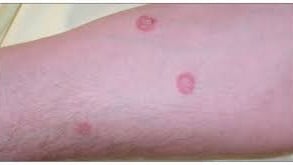
Fungal infections, commonly known as ringworm, are among the most common skin issues in combat sports. Fighters often see it as a circular rash with a clearer center and a raised, irritated border. It’s itchy, annoying, and spreads quickly. Most of the time, it appears asymmetrically, unlike eczema, which tends to show up on both sides of the body. The culprits? Hot and humid training rooms, tight clothing, excessive sweating, and underlying conditions like diabetes or obesity. The transmission is simple: skin-to-skin contact. One roll with someone carrying it, and it could be on your arms, neck, and scalp. Catch it early, and treatment is straightforward. Over-the-counter creams like miconazole or clotrimazole usually do the job, but fighters often make the mistake of stopping too soon. You need to continue applying for ten days after the rash disappears to eradicate the infection fully. Terbinafine is another heavy hitter that works faster, but again, you’ve got to be consistent. Prevention is just as important. That means drying yourself off properly, especially between the toes and groin, avoiding tight kit for long periods, and not sharing towels. And coaches, this one’s on you, too: clean those mats and showers because your gym’s reputation depends on it. Sometimes ringworm won’t go away with cream. Moccasin tinea pedis, when it hits the feet, is especially stubborn and may need oral antifungal medication. Left untreated, it can lead to cellulitis, a much more dangerous bacterial infection. If in doubt, see a doctor. Trust me, ignoring it never ends well.
BACTERIAL INFECTIONS
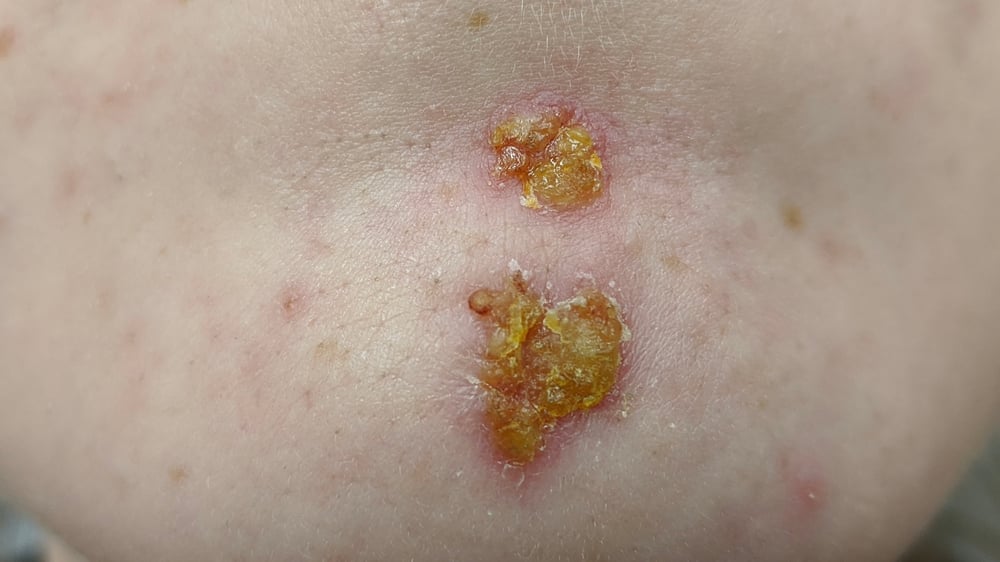
Bacterial infections are another contender that makes the toughest guys wince. “Staph” is the word you hear thrown around most, short for Staphylococcus aureus, a bacterium that lives harmlessly on our skin until it finds an opening. Cuts, abrasions, or someone else's untreated sore are all it needs to invade. You’ll usually see a golden crust, pus-filled blisters, or inflamed patches of skin that don’t itch but hurt like hell. Cleaning is critical. If it’s a small spot, wash it regularly and use an antiseptic, such as hydrogen peroxide. If it’s near the eyes or covers a larger area, a topical antibiotic like fusidic acid may be needed, often available through pharmacies without requiring a trip to the GP. However, if multiple areas are affected or you’re experiencing a fever, it’s time to consult a professional. Oral antibiotics may be your only way back onto the mats. One situation to never, ever train through is an abscess. That painful, swollen lump of pus isn’t just gross, it’s dangerous. No cream or antibiotic will fix it. You need it drained properly by a doctor. The same goes for cellulitis, when infection spreads to the deeper layers of skin. If you’re feeling run-down, running a fever, and then notice a red, hot, swollen patch on your leg or arm, get to a clinic. This isn’t something you fight through. It’s something you treat before it spreads. So, how do you stop this stuff from invading your gym? Simple: wash your gear on the highest heat, clean mats daily, avoid contact with visible skin lesions, and don’t share towels. That might sound obvious, but the number of athletes I’ve seen who roll with open cuts or a weeping sore is shocking. Don’t be that guy. Don’t be the reason your gym has to shut down a class.
VIRAL INFECTIONS
These are the third player in this unholy trinity, specifically herpes simplex, the notorious culprit behind cold sores. While most people think of them as a lip issue, for fighters, they can appear anywhere on the face and are highly contagious. They’re spread through direct contact, and the worst part is that you might carry the virus without showing symptoms. Once it’s in your system, it hides in your nerves, waiting for the perfect moment, often caused by stress, fatigue, or sun exposure, to strike again. The first outbreak is usually the worst, sometimes accompanied by fever or swollen glands. After that, you may develop a cluster of blisters or sores that crust over within a week or so. Painkillers like paracetamol help, but the real game-changer is getting antiviral tablets like aciclovir early, which can stop an outbreak in its tracks. Creams are available, but they’re far less effective. If you’ve got active sores, do everyone a favor and don’t train. It’s that simple. Once herpes is in your system, it’s for life. Managing it means learning your triggers and maintaining a strong immune system. That means proper rest, nutrition, and, yes, sometimes skipping a session when your body is run-down.
So, here’s the bottom line from Dr. Asoka: Skin infections are part of the fight game, but they don’t have to take you off the mats or out of the cage. Know what you’re dealing with. Treat it early. Take a step back when needed. And above all, don’t put your training partners at risk. There’s no honor in spreading an infection. We train together. We protect each other. That’s how a real team fights.
EVOLVING TECHNOLOGIES
Rash vests may not be the cure all. According to recent research from the University of Birmingham, your synthetic training gear could be leaching harmful chemicals into your body through your sweat. That means every hard roll, every hill sprint, every round on the pads could be soaking your skin in endocrine disruptors, carcinogens and hormone-altering toxins. These include substances such as BPA, phthalates, flame retardants, and the infamous PFAS, also known as the “forever chemicals,” which are found in sweat-wicking fabrics. When mixed with sweat, especially the oily kind you pour out during intense training, they can penetrate it. Once inside, they may interfere with your thyroid, mess with your testosterone, impact neurological health, or increase your risk of cancer. Even top sportswear brands have been found using materials with chemical levels that exceed safety standards. Many don’t even realize what’s hidden in their supply chains. The fix? Start transitioning to fight gear made from natural fibers, such as organic cotton, hemp, or merino wool. Look for certifications like GOTS or OEKO-TEX. You don’t have to burn your whole kit bag overnight, but making the switch, piece by piece, could be a smart move. There are also dedicated hygiene products on the market for martial artists: Eddie B. of Combat Sports Hygiene (CSH) has developed a new protective spray for fighters after contracting a skin infection during BJJ training. His advice concurs with Dr. Asoka’s, but with some additional practical tips.
“Showering as soon as possible after training is one of the most effective ways to prevent skin infections, ideally within 15 minutes, but it’s not always practical if people are chatting after a session or the gym doesn’t have showers,” says Eddie B. “That’s why athletes should take extra steps to protect themselves and their teammates. Keep nails short, shower with soap before training, avoid training with open wounds or rashes, and use a mat-side hygiene spray. These simple habits go a long way to creating a safer, cleaner environment for everyone on the mats.”
ABOUT SAFE MMA
Safe MMA is a globally renowned medical charity dedicated to the safety of MMA competitors. It was founded in 2012 by medical experts, along with representatives from the UK MMA community, in the absence of sport regulation. safemma.org