

Issue 227
March 2026
The era of the sleepless warrior is a dying art in modern MMA because Ray Klerck discovered that the real knockout power lies on the pillow.
For decades, fighters have acted like sleep was something you squeezed in after the real training was done. You fitted in around that 4:00 AM roadwork and weight-cut-induced insomnia with elite mental toughness. While other pro sports have transitioned to treating an athlete’s circadian health as high-performance infrastructure, MMA is slowly catching on to the importance of sleep because that ‘I’ll sleep when I’m dead’ ideology isn’t doing anyone any favors. The importance of sleep is slowly becoming a top-down affair. Leon Edwards famously hired a sleep specialist to overhaul his body clock for a 5 AM title defense at UFC 304. Okay, so it didn’t work, but at least he was on the right track. Volkanovski has pointed to USADA's middle-of-the-night drug tests before his second fight against Max Holloway as a thief of his competitive edge, but he managed to get through that bout. Whether it’s the grogginess of a transatlantic flight or the cognitive fog of a brutal camp, the gap between a win and a loss may increasingly be measured in REM cycles, explains new research. These scientists outlined an era where out-sleeping your opponent might become just as critical as out-grappling them.
THE COST OF LOW SLEEP
A lack of shut-up costs you as a person, but costs you more as an MMA fighter. The 2026 review published in The Physician and Sports Medicine analyzed 17 studies across 10 sports using sleep actigraphy, a wrist-worn system that objectively measures sleep patterns. The findings amounted to pretty much everything you expected. Nearly half of the studies examining performance reported that poorer sleep metrics, such as reduced sleep duration, lower sleep efficiency, and longer time taken to fall asleep, were linked with declines in aerobic capacity, anaerobic output, and reaction time. Those effects appeared across multiple sports, including rugby, cycling, triathlon, and mixed martial arts. The injury risks were less clear but still a factor. Of the seven studies on injuries, four (57%) found that less sleep correlated with higher injury rates. When you consider that there are approximately 24 injuries per 100 fights, you can see that MMA might be impacted more than other sports when low sleep is a factor. While the evidence around injuries remains mixed, the performance cost of poor sleep is becoming harder to ignore.
THE TROUBLE WITH SLEEP
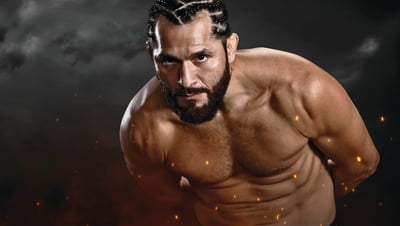
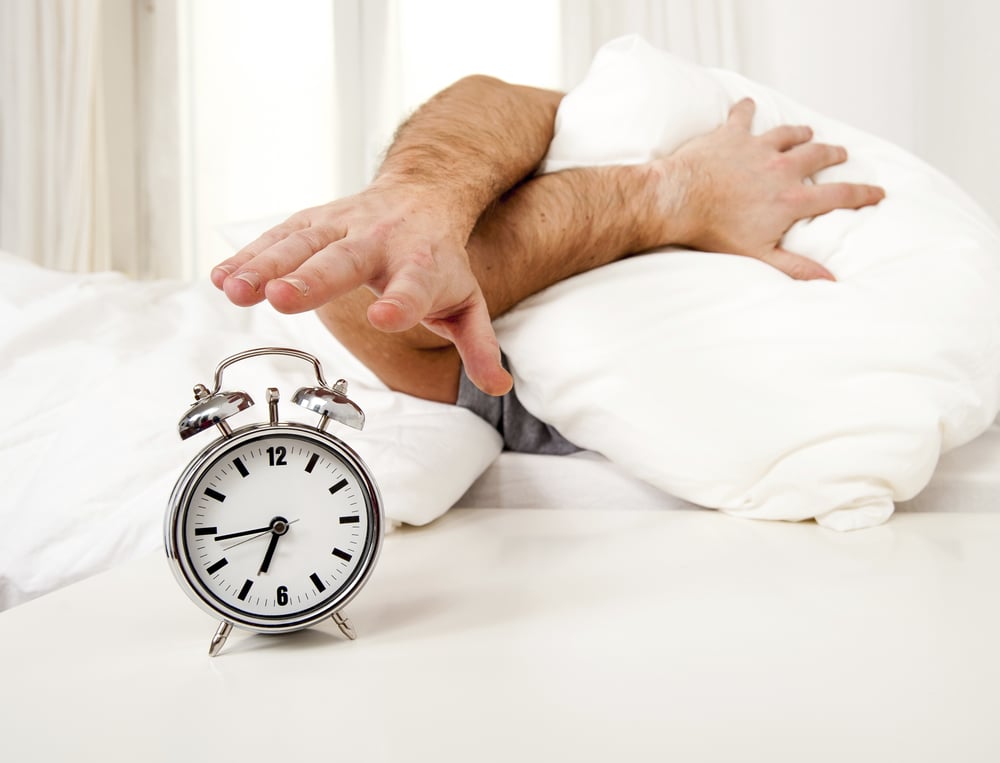
You’d like to imagine that most fighters are in tune with the impact of poor sleep on their performance because it’s something that shows up the next day on the mats or in the fragility of their immune system. The difficulty is that researchoutlines that most athletes are terrible at self-assessing their sleep duration and quality. Like grumpy little toddlers, athletes across all sports have no idea that they’re tired and are wearing a man-baby nervous system as a result. This might require a fighter’s coaching team to step up to the pillow and lend a hand. Jorge Masvidal famously slept just 4 hours a night, then worked with Gary Brecka to get up to 8 hours. And it’s possibly one of the reasons why, in 2020, the UFC Performance Institute partnered with the wearable tech ring Oura, which tracks sleep and recovery. Wearables like this can connect to a coaching platform, allowing sports scientists to remotely monitor a fighter’s Resting Heart Rate (RHR) and Heart Rate Variability (HRV). In response to this data, a coach can adjust a fighter’s training load to align with their sleep schedule, reducing their risk of injury or illness. That said, there is a fine line in this space because some experts are now pushing back thanks to the anxiety caused by seeing a bad sleep score.
"I’d encourage a fighter to take off their tracker 10 days before a fight,” said professional Sleep Specialist, Greg Meehan. “If they see a low recovery score on fight week, it can be a massive mental distraction."
It’s a bit like checking the water temperature after you’ve already jumped in the ocean. Useful most of the year, but during fight week, you probably don’t need someone telling you the water is cold.

BEDROOM KO POWER
You don’t need to be told to sleep. You inherently feel it in your bones even if you don’t take action, but a lack of sleep can slow down your reaction times to the point where you’re legally intoxicated. This might explain the origins of the term "punch drunk," which no fighter wants to be called. So, aside from the basics you already know, like avoiding blue light 2 hours before bed and sleeping in a cool room, these are some emerging sciences that’ll help MMA athletes get the best sleep.
Eat at least 5 serves of fruit and veggies each day. This improves sleep quality by 16%, and eating whole grains improves the amount of deep sleep a fighter gets.
Hit the weights 2-3 times per week. Resistance training improved sleep more than aerobic exercise, increasing nightly sleep by about 40 minutes compared with 23 minutes from cardio. Strength training also improved sleep efficiency and the speed at which people fell asleep, making it one of the most effective ways to improve sleep quality.
Bathe yourself in morning sunlight. Every 30 minutes of sunlight before 10 AM improves your sleep quality by anchoring your circadian rhythm, making it easier to fall asleep 14–16 hours later.
Don’t lie awake worrying about your next fight. The Sleep Foundation says that if you haven’t fallen asleep after about 20 minutes, get up and do something calm like light stretching or reading in low light. This helps your brain associate the bed with sleep rather than frustration.
Crack and window or the door. Poor airflow can raise CO₂ levels, disrupting sleep quality. Increasing airflow or opening windows helps maintain deeper, more stable sleep.
TUCKING IN THE COMPETITION
As MMA gets increasingly obsessed with marginal gains, sleep might be the most embarrassingly obvious one sitting right under every fighter’s bedsheets. While many pros will happily spend thousands on altitude tents, ice baths, IV drips, and supplements that sound like they were invented in a Soviet lab, many still treat eight hours of sleep like it’s optional. The irony is that the brain running your timing, reactions, and decision-making does most of its repairs while you’re drooling on your pillow. You can grind harder, spar longer, and run until your nipples chafe through your rash vest, but if your sleep-deprived nervous system is running on low battery, the rest of the machine isn’t performing at full capacity. The next evolution of MMA might not come from a new technique. It might come from the fighter who simply turns the lights off earlier than his opponents.
...