


Issue 227
April 2026
The science has spoken, and Ray Klerck has translated it from lab coat to fight camp: your six-pack might look like a weapon, but if your glycogen is ghosting you, it’s actually a white flag.
For years, the MMA world has worshipped at the altar of the shredded physique, but it’s somewhat of a performance lie. This often comes from the strange badge of honor where eating less somehow counts as trying harder, while feeling like a set of AA batteries in a power tool. A massive systematic review released last month, about the dietary habits of combat athletes, has exposed an MMA dietary paradox where athletes are hitting their weight targets but failing the most basic fuel test. While some areas of their macronutrient intake are usually spot-on, others are cratering below official recommendations, leaving fighters short on energy. The sport demands explosive, repeated efforts, yet the fuel that powers those efforts is the very thing being cut. The result is a quiet performance leak where fighters aren’t losing because they lack skill. Whether it’s Robert Whittaker jumping to 205lb to finally feel as if he’s training in a fed state or Sean O’Malley bio-hacking his longevity with high-end nutrients, the message for 2026 is that if your energy availability is flatlining, you aren’t a lean machine. Instead, you’re just one scramble away from a performance cliff, and if you can bet that it’s showing up at the top end, you’ll start to see it filter down MMA’s lower ranks.
THE NUMBERS DON’T LIE
Fighters of all decrees might be built like a Masters Of The Universe figurine, but He-Man fails miserably when he’s grocery shopping. The review pulled data from 23 studies out of an initial 328 papers covering combat athletes in boxing, judo, taekwondo, jiu-jitsu, kickboxing, and MMA. The pattern was far too consistent to ignore. Fighters weren’t overweight, undertrained, or out of shape. In fact, quite the opposite. Being warriors at heart meant most of them sat comfortably in the sweet spot, with BMIs typically around 22–25, body fat often in the 8–15% range for men, and solid lean mass across the board. On paper, they look like the blueprint for high-performance athletes. However, once you zoomed in on their energy levels, that’s where things get ugly. Only 2 studies in the entire review met the recommended energy intake levels, while the rest fell short, often significantly. And this isn’t just Fight Week weight cut panic. This is happening during regular training periods, too. Carbohydrates are where it really fell apart. Only 1 study met the recommended carb intake of 6–10 g/kg for optimal performance, while most studies recommended 3–5 g/kg, and some reduced it to 2 g/kg during pre-competition phases. That’s not a slight underdose. That’s cutting your primary fuel source in half and hoping that a little mental toughness fills the gap. Meanwhile, protein intake was generally within or even above the 1.2–2 g/kg range, which is why fighters can maintain their muscle mass and still look as if they’re dialed in. Add that to the consistent reports of low intake of fruits, vegetables, and micronutrients, and you start to get a full picture. So, while a fighter’s physique might hold up under the spotlight. The physiology may not hold up under pressure.
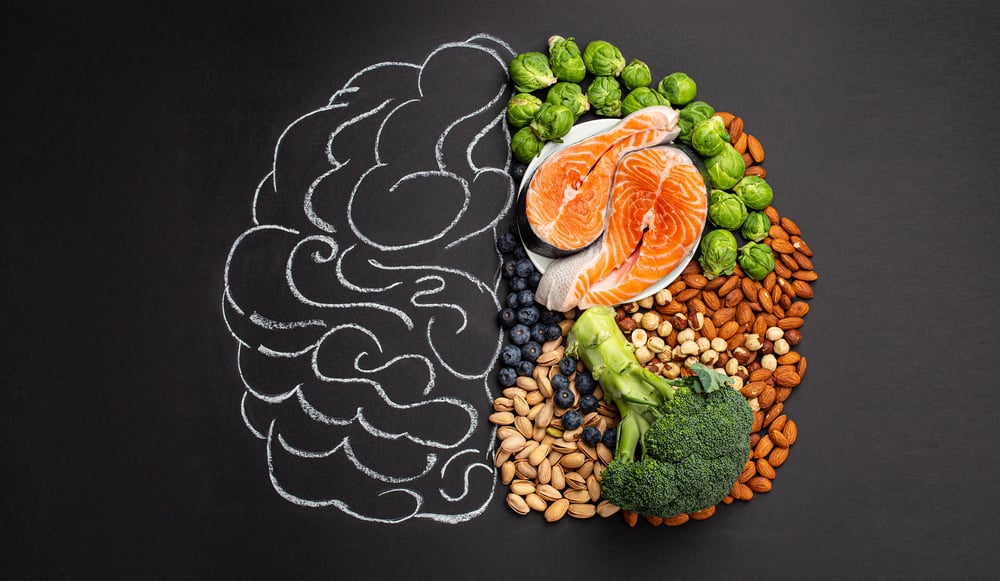
GLYCOGEN IS KICKING CURRENCY
If you want to know why a fighter looks like a world-beater for two rounds and then starts moving as if they’ve aged like Amanda Bynes mid-session, you may want to stop blaming their heart and have a squizz at their muscle chemistry. Every explosive level change and heavy overhand relies on stored glycogen. In terms of information, this is nothing new, but it is the only high-intensity currency that matters when the rounds get deep. The problem is that the review discovered most fighters are turning up to training in an energetically bankrupt state. Instead of hitting the recommended 6–10g/kg of body weight, most combat athletes are languishing well below that range despite looking like superheroes in the bathroom mirror. Many fighters’ walk-around weight exceeds their fight weight. Let’s put those carb demands into a realistic perspective with a 205lbs (93 kg) fighter. They should be snacking on roughly 560–930 grams of carbohydrates per day to support the physiological demands of the sport. Instead, the data suggests they’re likely hitting a measly 280–465 grams, with the review noting that energy and carbohydrate intakes were consistently below official recommendations. That’s not a slight oversight. It’s a performance canyon. It’s the difference between a session where you feel like Ilia Topuria and one where you feel like you’re wrestling underwater in a lead wetsuit. For context, hitting those numbers isn’t an eating contest. Ahem, we’re looking at you, Sean and Paddy. It’s about stacking on meals with rice, oats, pasta, potatoes, and fruit across the day, so training actually has something to run on. Yet, many fighters are still trying to get through hard sessions on a couple of sad wraps and a protein shake, convinced their misery is discipline rather than a tactical mistake. This is when your reactions start to show up late because timing is highly dependent on your available energy. Without it, a high-level shark tank session turns into a desperate attempt not to look exhausted in front of the head coach. Because fighters are wired for masochism, many add more rounds and more volume as a remedy. In reality, they didn’t need more training. They just needed a massive plate of comfort-food pasta and the awareness to realize that you can't out-hustle a metabolic shortage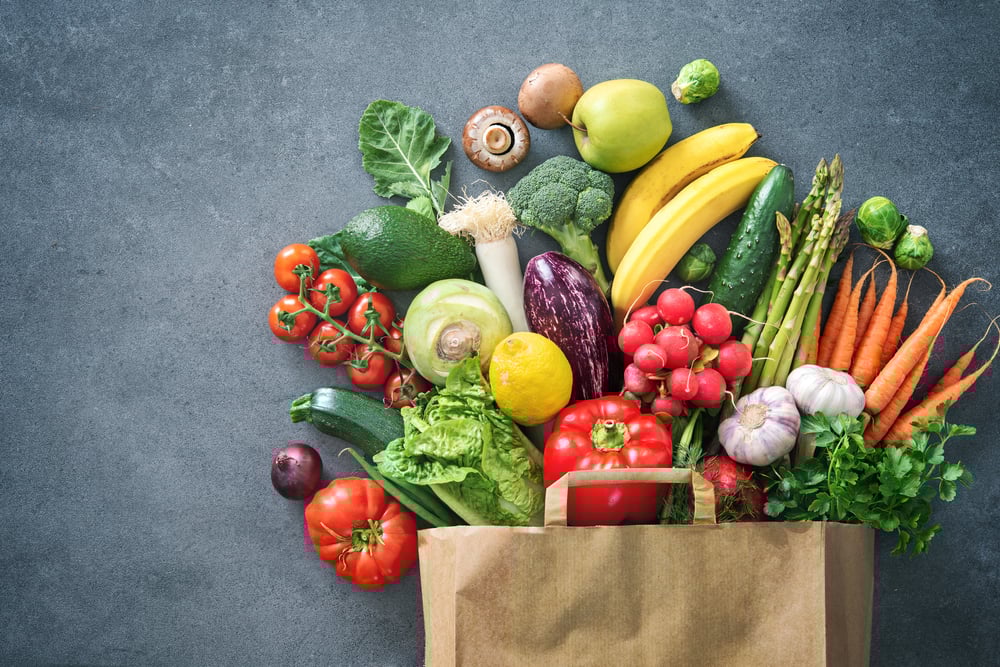
THE CARBS THAT WON’T BETRAY YOU
Vegetables are too often treated like they’re optional extras, somewhere between stretching and flossing. Sure, they’re a nice idea, rarely executed unless you’re Sean O’Malley, who was previously vegan. He’s now switched to more meat and nutrient-dense foods, which has seen him get back in the win column. Could that be one of the reasons behind his lack of spark against Merab? We’ll never know, but the review seconds this notion, because it didn’t just show a carb problem. It showed a food color problem. Fighters consistently reported low fruit and vegetable intake, along with deficiencies in key vitamins and minerals. That’s where longevity quietly takes a hit. You can get away with running hot and empty in your twenties, but eventually the bill arrives. Recovery drags, immune function dips, and those little aches stop being part of the game and start becoming permanent residents. What’s made it worse is the growing gap in the quality of the produce and the chemicals it rolls with. The 2026 Dirty Dozen list calls out foods like spinach, strawberries, apples, grapes, and blueberries, which were found to have 203 different pesticide residues in 96% of the tested produce. The exposure levels do sit so low that, according to the ‘experts’ who may or may not be employed by the food companies, you’d need to eat hundreds of servings a day to even approach a harmful threshold, and nearly 99% of produce already sits within regulatory safety limits. But if you’re still losing sleep over the chemical cocktail in your kale, then look at what the study deemed the Clean 15. These should account for the lion’s share of your carb sources, which is the list of produce least likely to hold a pesticide grudge. These include foods like avocados, sweet corn, pineapple, and onions. For a fighter, these aren’t just side dishes. Instead, they are the logistics team needed for a long career. The 2026 review is clear that while you might be hitting your protein targets to look like a Greek statue, you’re likely ignoring the backstage crew of vitamins A, E, and folate that actually keep the lights on during a sparring session. Longevity in this game isn't about eating like a monk. It’s about choosing the right high-octane carbs that won’t betray your gut or your hormones. Ditch the processed carbs and sugars for the slow-burning reliability of sweet potatoes, oats, brown rice, and quinoa. These provide the glucose necessary to fuel those successive high-intensity training sessions without the insulin roller coaster that leaves you crashing harder than a chin-tucked rookie. By marrying these clean, complex carbs with nutrient-dense produce, you’re effectively bio-hacking your way to improved performance. You stop being the athlete who suffers through camp and start being the one who actually recovers between rounds. In a sport where the Dirty Dozen usually refers to the guys on your local regional circuit, don't let a fear of fruit be the reason your career ends in your twenties. Eat for the athlete you want to be at thirty-five: fueled, functional, and still capable of a highlight reel finish.
DIETARY EVOLUTION
The next dietary evolution of MMA may not come from who can suffer the most. That era’s done. Everyone trains hard. Everyone pushes. The separating factor now is who can actually sustain it and accentuate their recovery. The review makes it painfully clear that fighters aren’t losing because they’re less skilled or aren’t tough enough. They’re losing inches everywhere that matter. In the later rounds of sparring, in the speed of their reactions, and in how quickly they bounce back for the next session. And all of it traces back to the same quiet problem: they’re under-eating, which shortchanges the system they rely on. To fix this, it’s about matching your intake to your ambition. Because the fighters who last in this game aren’t the ones who can grind themselves into the ground. They’re the ones who can turn up, day after day, with enough in the tank to actually perform. Not just today, not just this camp, but five years from now, while everyone else is telling stories about how they used to train.
...