

Issue 228
April 2026
Ray Klerck breaks down how the wins don’t always guarantee relevance, and why Nate Diaz claims to keep making bank while Daniel Cormier is there to keep score.
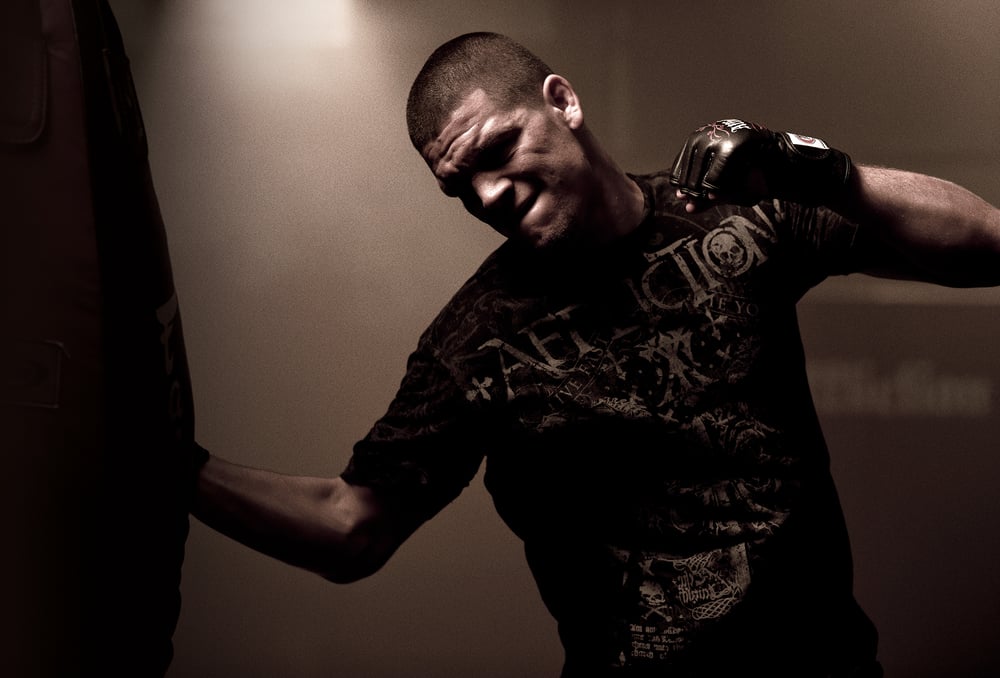
Getting kicked in the head might not be the hardest part of MMA. Being remembered may be one of the most valuable skills. Take Daniel Cormier, whose voice is part of the furniture on almost every fight night. In the pristine, merit-based laboratory of DC’s mind, MMA is a sacred sanctuary governed by the cold, hard logic of the win-loss column. The latest digital tiff between Nate Diaz and Daniel Cormier isn’t really about who’s better. It’s more about what actually counts. Cormier can stand tall (5’11) with a resume that reads like a checklist of greatness. Belts. Titles. Olympic pedigrees. To a purist like DC, losing 13 times isn’t just a bad day beneath the lights. Instead, it’s a statistical indictment that labels a fighter as average. He looks at Nate Diaz and sees a career held together by duct tape and middle fingers. But Diaz is operating under a different scorecard, where attention is a more stable currency than winning. MMA likes to pretend it’s a clean meritocracy, where the best rise and the rest get found out. Train harder, win more, get rewarded. Simple. Except it’s not anymore. In some ways, DC is arguing from the rulebook, but Diaz isn’t losing sleep over his athletic GPA because it gets him paid. One is built on results. The other is built on staying relevant and mastering the cringe economy. The irony is that DC’s swift response trended and gave Diaz the spotlight once again. Here’s why this bait and switch works so well in MMA.
LOVABLE OUTLAW V HIGH ACHIEVER
You just know DC is always at work on time, hits every KPI, and is the gold standard employee. But science suggests that being the best at everything is often a distant second to being the one we like. Much of this lies in the competence-likability paradox, where people consistently prioritize likability and personal connection over raw technical ability when choosing whom to align with, especially in the workplace. Looking at data from more than 10,000 relationships, they found that when someone is strongly disliked, their skill level matters less. Being liked and lovable, on the other hand, keeps doors open even if someone’s ability is average. Now drop that info into the MMA attention economy, which somehow pretends it’s merit-based, and risks making perspectives from purists like DC sound like he’s peeing into the wind. The twist is that Diaz is not lovable and has never been service-with-a-smile-likable. You could think of him as a hot fart on a cold morning, where he’s slightly pungent and offensive yet offers a warming comfort, especially to his tribe. He’s the classic anti-hero. Disagreeable. Rule adverse. Unfiltered. Yet, research on athlete authenticity suggests that we’re biologically wired to find identity consistency more attractive than perfection. Not everyone likes the perfectionism and hypocrisy that are Tom Brady and Floyd Mayweather. Fans don’t love Diaz because he wins. We love him because he’s a lovable outlaw who is always consistently himself. Diaz doesn’t have fans because he’s nice. He wins them over because he’s the same bloke in victory, defeat, and mid-cuss. Since most sports are full of rehearsed lines, that kind of disagreeable authenticity hits all the right notes.
THE ALCHEMY OF ATTENTION
Then there is the concept of human capital, in which elite athletes’ investments in technical mastery create a global brand image that naturally increases in value as they win more fights. It’s the guys like Khabib, Islam, and Ilia. You can think of this path as the straight-edged pine tree of the sport, where every win is a deposit into a legacy account. However, the straight tree is often cut down for wood, while the crooked tree is free to live its own life. We see this across the sport. Take Paddy Pimblett or Sean O’Malley, who aren't just winning and sometimes losing fights; they are building personal brands in which their perceived professional value outpaces their divisional ranking, thanks to a stronger affiliation with modern fans than with the rankings. Even Jon Jones, despite a resume that some might say is vandalized by poor life decisions, maintains a position that keeps him at the top of the food chain because his identity is a central data node in the sport's narrative. Research shows that while technical success is impressive, it’s the unique emotional bond rooted in a shared understanding of the human story that often fuels an athlete's brand. Diaz doesn't need to be the best in the room when he is the center of a dense social network where his actions outside MMA are scrutinized more than his win-loss record. In 2026, being an attention asset means you can never really be average because while belts can sometimes feel mothballed, an authentic brand allows you to remain relevant in the fight market long after the merits of your prime have faded.
THE UNDERDOG TRAP
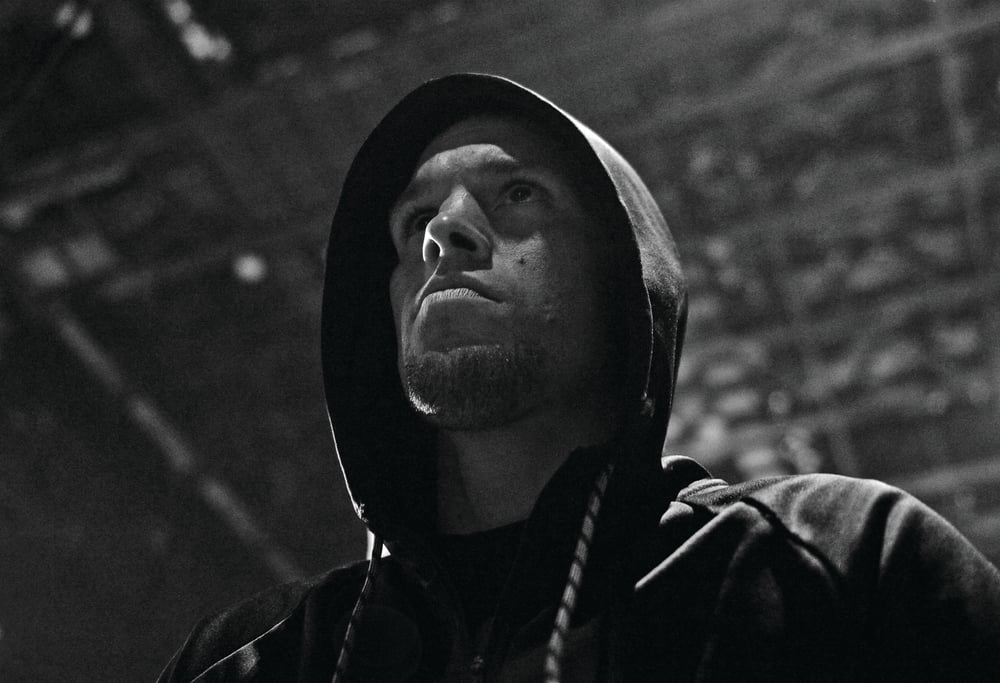
Marketability has little to do with spreadsheets and more to do with psychological gravity that keeps fighters like Diaz in orbit of MMA’s headlines. Part of this is because it doesn’t matter whether he wins or loses. Research on the underdog effect shows that fans are far more forgiving of failure when it comes from the dark horse. However, if you lose as a champion, the brand can crack. DC lost to Jones while he was a champ, but although the decision was later overturned, it still counted against him. Then he lost the belt to Stipe Miocic and failed to regain it in their rematch, ending his career with a loss. That kind of thing sticks. However, if you lose as an underdog, then the story only seems to deepen. That’s the difference. One is a fall from grace. The other is just another chapter. It explains why Diaz can shrug off a loss and still headline the conversation, while Cormier treats defeat like a stain that needs scrubbing, often to his own detriment. It’s a cleaning exercise he often rolls out when speaking about Jones, even more recently when Jones asked to grapple with him while they were filming a reality TV show this year. When it comes to his beef with Diaz, they’re operating under different psychological contracts with their audiences. Then there’s DC’s Jones grudge, which seems to resurface every few months with Jones. A grudge feels like fuel but often acts as friction, potentially lowering a personal brand’s value. DC’s fixation on records and averages might become a kind of weight that he has to carry. Meanwhile, a care-free fighter like Diaz may travel mentally lighter. He doesn’t need the numbers to make sense. He just needs the story to stay alive. And in this sport, the story usually outlasts the stats.
HEADLINING IN THE AFTERGLOW
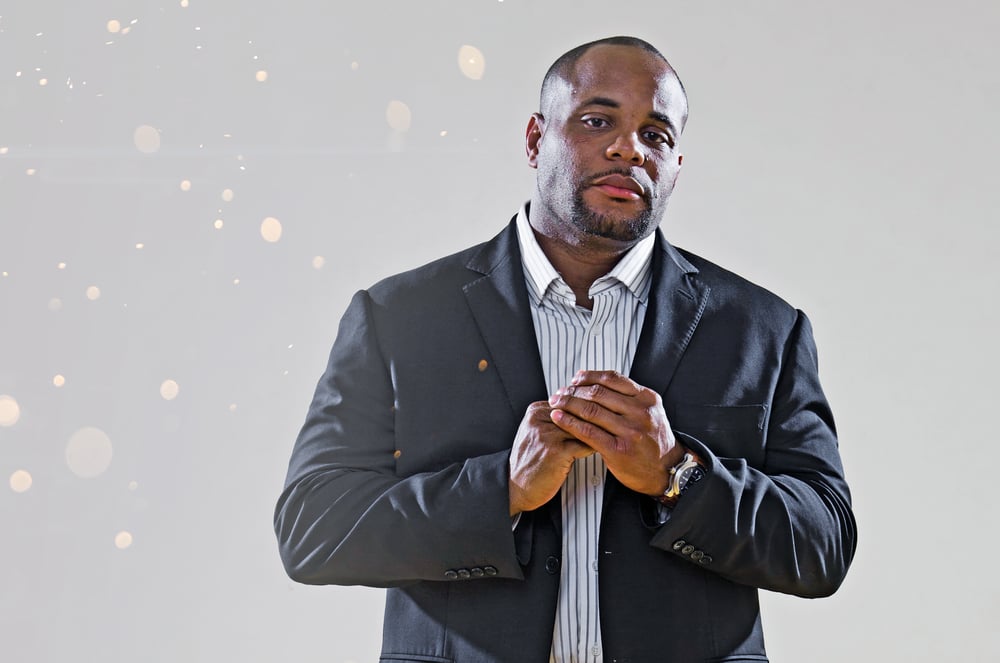
So does winning matter, or does being watched matter more? The annoying answer is both. They’re just not in equal measure anymore. Winning builds the house, but attention decides who gets invited inside and who’s left knocking at the door with a perfect record, even if only the crickets are listening. Cormier, at 47, is the quintessential retired legend, content with his earnings while he dissects resumes from the safety of a broadcast booth. That’s his trade, and he does it flawlessly. Meanwhile, Diaz is 41 and still headlining in an outlaw promotion that’s a direct challenge to the house DC has built. Nobody cares who is making more money in the long run. What matters is that, while DC has become the unofficial face of the UFC, Diaz is still moving the furniture around. One chased greatness, while the other became something far more useful: memorable. In a sport that still pretends it runs on merit, the real currency will always be attention, and it compounds faster than any win streak ever could. Diaz can dismiss Cormier’s in-cage accomplishments and claim financial superiority because his brand is far from fragile in the attention economy. You could say it’s almost emboldened by his 13 losses. Long after the belts get displayed above mantelpieces, and the records are argued over by blokes on the internet, the fighters people remember are the ones who made them feel something. Whether DC likes it or not, the 2026 scoreboard doesn’t care how many times you won. It only cares that you’re still the one the world is paying to see, and if you can get the old guard to put your name in their mouth, then Diaz might still have plenty of game left to give to the fans.
...